


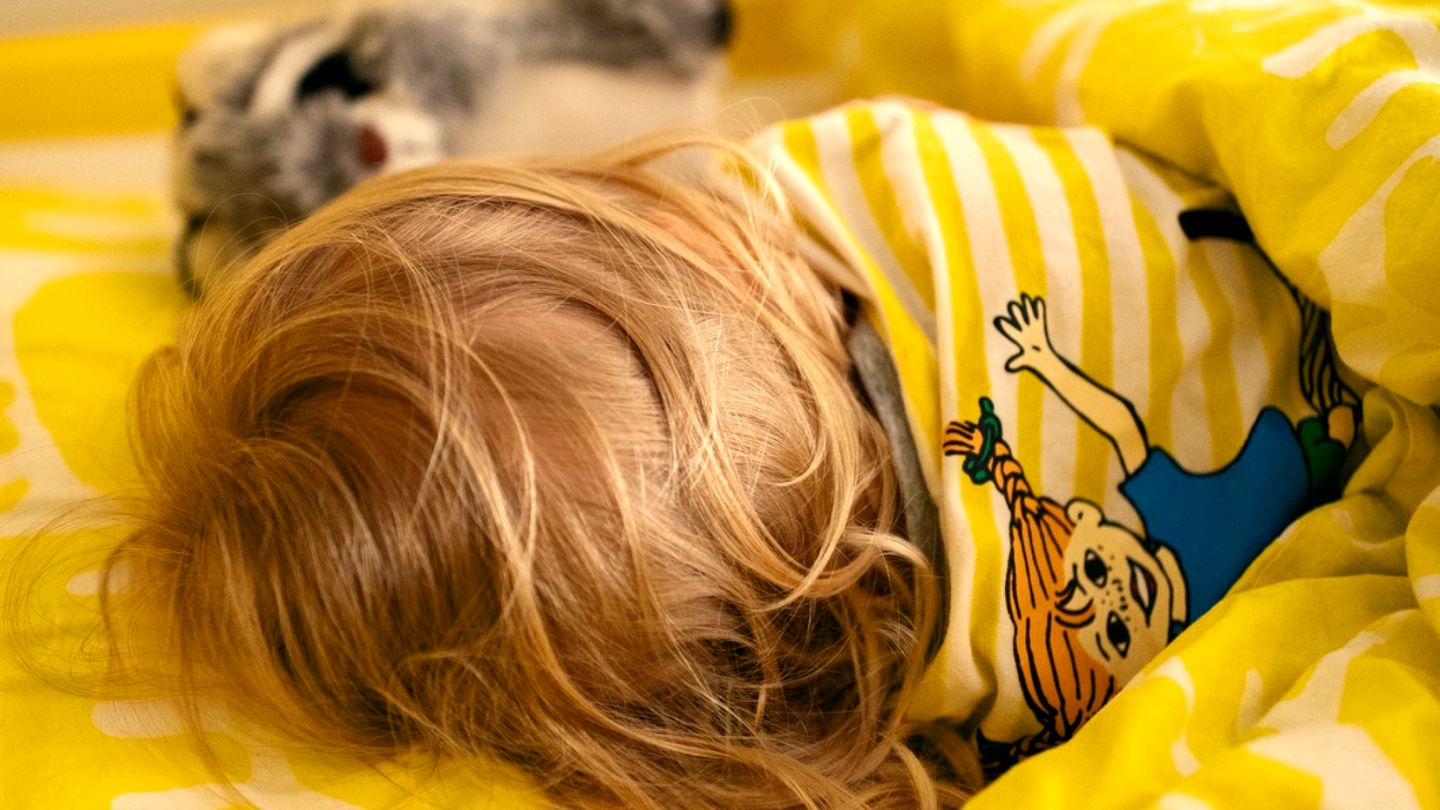
Why Does It Feel Safe Under a Blanket?
Translated from Finnish and summarized by DistantNews. Read the original for the full story.
At a glance
Explainer
Sources not specified
Context piece
- Feeling safe under a blanket stems from multiple factors, including a sense of hiding and protection from external stressors.
- The gentle pressure from a heavy blanket can mimic a hug, activating the parasympathetic nervous system to reduce anxiety.
- The article also explains that while skin cells renew rapidly, deeper skin cells like pigment and nerve cells are long-lived.
The simple act of burrowing under a blanket provides a profound sense of security for both children and adults, a feeling rooted in a combination of psychological and physiological responses. This comfort arises from the sensation of being hidden, creating a personal sanctuary shielded from the chaos, conflicts, or demands of the outside world.
For many, particularly those sensitive to sensory input, the gentle, consistent pressure from a heavier blanket can be deeply soothing. This sensation is akin to a firm hug, stimulating the parasympathetic nervous system. This activation promotes relaxation, reduces feelings of anxiety and stress, and fosters a general sense of well-being. The warmth often associated with being under a blanket further enhances this calming effect.
Beyond the physical sensations, a blanket can serve as a security object, much like a favorite stuffed animal. Familiar scents, such as those of home or a parent, can amplify the feeling of safety and reduce apprehension compared to an unfamiliar environment. This sensory familiarity plays a crucial role in creating a comforting and secure personal space.
Separately, the article addresses a common question about skin renewal. While the outermost layer of skin, the epidermis, renews itself rapidly, completely replacing its cells within weeks for infants and months for older children, deeper layers contain longer-lasting cells. Cells like pigment cells and nerve cells, located beneath the epidermis, can persist for decades or even a lifetime, meaning adults do share some of the same cellular structures under their skin as newborns.
About this summary
Originally published by Helsingin Sanomat in Finnish. Translated, summarized, and contextualized automatically by DistantNews, with a note on how the source frames the story. Not individually reviewed before publishing. How this works.
More Stories


From Our Blog

What Gets Lost (and Found) When News Is Translated

The Critical Role of Diaspora Media in Global News

What Travellers Should Know About Countries with Restricted Press

A Digital Nomad's Guide to Following Local News

How the Same Story Looks Different in Different Countries
