


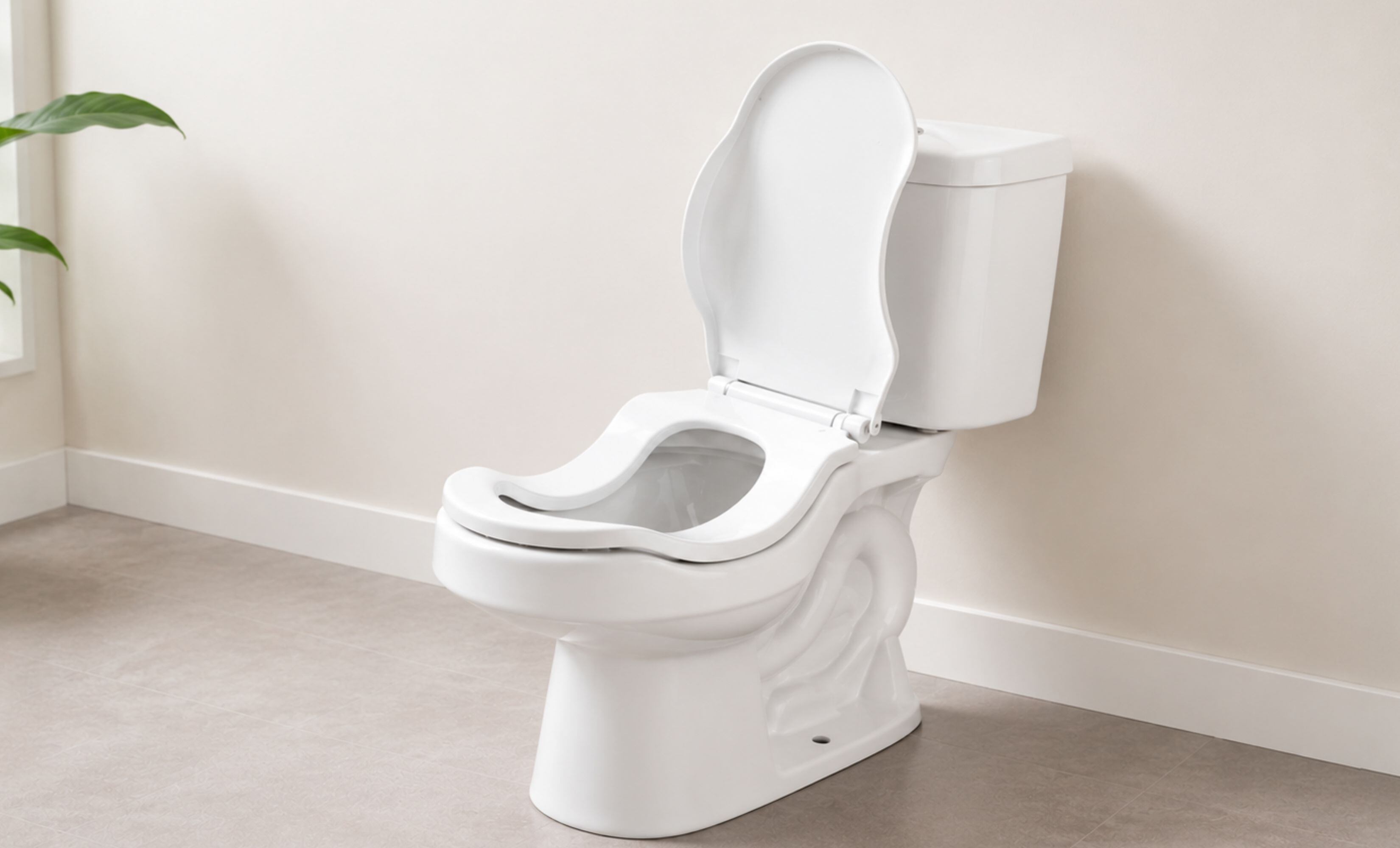
Why experts recommend curved toilets
Translated from Spanish, summarized and contextualized by DistantNews.
At a glance
In-depth
Named sources
Context piece
- Experts recommend curved toilets, suggesting they promote a more natural squatting posture that aids bowel movements.
- This design can reduce straining and help prevent issues like constipation and hemorrhoids.
- Public restrooms often feature open-front seats for hygiene, reducing contact with potentially contaminated surfaces.
Specialists in hygiene and maintenance are highlighting the benefits of curved toilet designs, suggesting they offer advantages over more traditional models. These specialized toilets are gaining popularity for their potential to improve user comfort, water consumption, and overall cleanliness.
According to specialized accounts, the curved design encourages a posture more aligned with the body's natural position, facilitating easier evacuation. This squatting-like position can reduce physical strain during bowel movements, potentially helping to prevent conditions such as constipation and hemorrhoids. This focus on digestive health and well-being is driving the adoption of these designs.
Public restrooms, including those in airports, hospitals, and restaurants, often feature a specific design: an open-front toilet seat, shaped like a horseshoe or a 'U'. This feature is not merely aesthetic but serves a crucial hygiene purpose, adhering to public health standards implemented decades ago.
The open-front design, known as an open-front toilet seat, is mandated in many public facilities. It is designed to minimize contact between the user and the toilet seat, thereby reducing the risk of exposure to bacteria and other germs. This design also facilitates easier intimate hygiene and prevents unnecessary contact with the seat surface, contributing to a more sanitary experience.
DistantNews Editorial
Originally published by La Nación in Spanish. Translated, summarized, and contextualized by our editorial team with added local perspective. Read our editorial standards.
More Stories



From Our Blog

What Gets Lost (and Found) When News Is Translated

The Critical Role of Diaspora Media in Global News

What Travellers Should Know About Countries with Restricted Press

A Digital Nomad's Guide to Following Local News

How the Same Story Looks Different in Different Countries
