


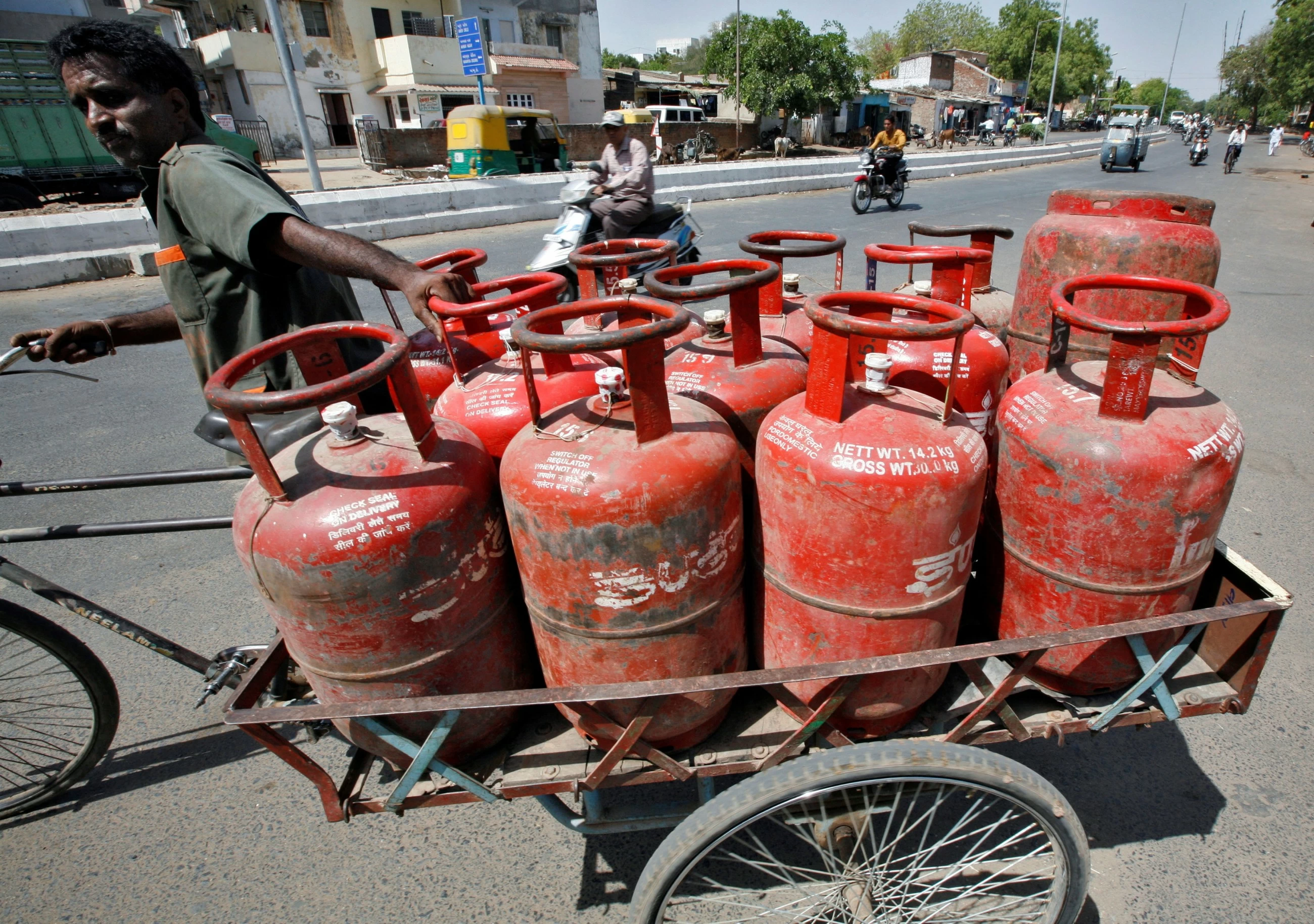
India sets LPG output targets for refiners, producers to tackle supply disruptions
Summarized and contextualized by DistantNews.
At a glance
News
From a news agency
New plan
- India has set LPG production targets for refiners and producers to ensure energy security and reduce reliance on imports.
- The new framework requires 21 companies to increase LPG output during supply disruptions.
- This measure aims to mitigate risks exposed by recent West Asia conflicts affecting imported cooking gas supplies.
India has established refinery- and company-specific Liquefied Petroleum Gas (LPG) production targets for the first time, aiming to bolster the nation's energy security. This move seeks to lessen the impact of disruptions in imported cooking gas supplies.
The Petroleum and Natural Gas Ministry has outlined a framework compelling 21 refineries and upstream companies to ramp up LPG production when supply constraints emerge. The combined production potential under this new system is set at 63,810 tonnes per day. This figure represents approximately 70 percent of India's daily LPG consumption and significantly exceeds the country's usual domestic output.
The government's decision follows recent West Asia conflicts that highlighted India's vulnerability to imported LPG. The nation consumes about 33.2 million tonnes of LPG annually, with over 64 percent sourced through imports, primarily passing through the Strait of Hormuz. During a previous crisis related to Iran, shipment disruptions forced emergency measures, including maximizing domestic production by diverting petrochemical feedstock and curtailing supplies to industrial users.
This new order creates a permanent mechanism that can be activated by the government to ensure adequate LPG availability and fair distribution. Public sector refineries are assigned a combined daily LPG production target of 31,470 tonnes. This permanent framework replaces the ad-hoc emergency directives previously issued during supply crunches.
DistantNews Editorial
Originally published by Gulf Today. Summarized and contextualized by our editorial team with added local perspective. Read our editorial standards.
More Stories
From Our Blog

What Gets Lost (and Found) When News Is Translated

The Critical Role of Diaspora Media in Global News

What Travellers Should Know About Countries with Restricted Press

A Digital Nomad's Guide to Following Local News

How the Same Story Looks Different in Different Countries
