


Why India’s Gen Z ‘cockroach’ movement is a worry for Modi
Summarized and contextualized by DistantNews.
At a glance
News
Named sources
Context piece
- A satirical "Cockroach Janta Party" has gained over 22 million Instagram followers, surpassing Prime Minister Modi's party.
- The movement emerged from Gen Z frustration over unemployment and education system controversies, sparked by a judge's remarks calling unemployed youth "parasites."
- The party's founder plans youth protests demanding the Education Minister's resignation, testing its online popularity's translation to real-world support.
What began as a social media jest among India's Gen Z has evolved into a significant irritant for the political establishment. The "Cockroach Janta Party" (CJP), a mock political entity, is attracting young Indians disillusioned with job scarcity and a series of education system scandals. In less than a month since its formation, the CJP amassed over 22 million Instagram followers, more than double the count of Prime Minister Narendra Modi's Bharatiya Janata Party.
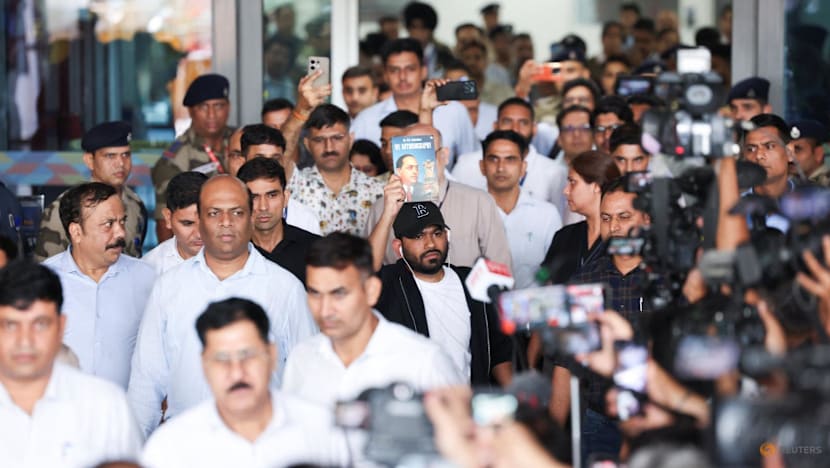
Abhijeet Dipke, the CJP's founder, is returning to India from the U.S. with plans to spearhead a youth protest in New Delhi. The demonstration will call for the resignation of Education Minister Dharmendra Pradhan. This visit will serve as an initial gauge of whether the party's substantial online following can translate into tangible political support in a nation with one of the world's youngest demographics.
lazy, unemployed and forgotten
The satirical movement originated on May 16, following remarks by India's Chief Justice Surya Kant. During a court hearing, he referred to some unemployed young individuals as "parasites" and "cockroaches." While Kant later claimed he was misquoted, his comments ignited a backlash on social media. Dipke, then completing his graduate studies in the U.S. and job hunting, responded by creating a parody website for the "Cockroach Janta Party." He positioned it as a haven for India's "lazy, unemployed and forgotten" and a voice for "millions of young Indians who feel neglected by traditional politics."
millions of young Indians who feel neglected by traditional politics
The CJP website rapidly gained traction. Dipke has since focused on channeling this anger into activism, leveraging a series of examination scandals to highlight what he perceives as a deep-seated crisis within India's education system and to challenge the existing political order. The 30-year-old, who previously worked as a communications strategist for the opposition Aam Aadmi Party in Delhi, has downplayed personal political ambitions. He stated it is "too early" to determine if the movement could become a registered political party but expressed a desire to transform the CJP into a "pressure group that holds the government accountable."
Despite India being the world's fastest-growing major economy, it struggles to create sufficient jobs for the millions of young people entering the workforce annually, including college graduates. Economists suggest that official unemployment figures for 15- to 29-year-olds, around 10 percent, do not accurately reflect the reality. Data from Azim Premji University indicates the jobless rate was closer to 40 percent for 15- to 25-year-olds in 2023, and about 20 percent for 25- to 29-year-olds. This frustration over employment is exacerbated by controversies that have eroded confidence in the education system, long considered a primary route to upward mobility.
a kind of a pressure group that holds the government accountable
DistantNews Editorial
Originally published by The Straits Times. Summarized and contextualized by our editorial team with added local perspective. Read our editorial standards.
More Stories


From Our Blog

What Gets Lost (and Found) When News Is Translated

The Critical Role of Diaspora Media in Global News

What Travellers Should Know About Countries with Restricted Press

A Digital Nomad's Guide to Following Local News

How the Same Story Looks Different in Different Countries
