

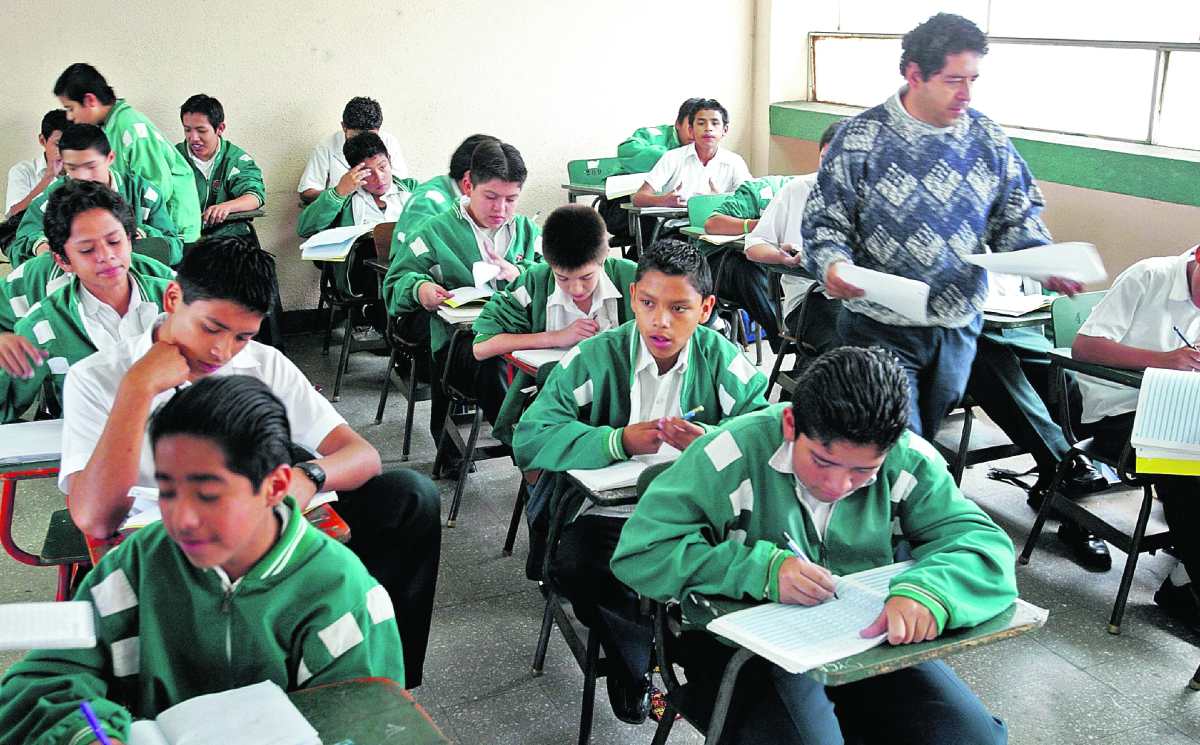

Why investment fails to yield results
Translated from Spanish, summarized and contextualized by DistantNews.
At a glance
Analysis
Sources not specified
Context piece
- Investment in a country does not automatically translate into tangible results or progress.
- A nation's structure can hinder real transformation by turning investments into bureaucratic processes.
- Overcoming these systemic blockages is crucial for genuine development.
A nation's progress is significantly hampered when its internal structures impede the effective translation of investment into real-world outcomes. The core issue lies not in the lack of capital, but in how that capital is processed and utilized within the existing system. When investment becomes entangled in a web of administrative procedures and bureaucratic hurdles, its potential for driving genuine transformation is severely diminished.
This phenomenon describes a situation where financial resources are allocated, but the intended positive effects fail to materialize. Instead of fostering innovation, growth, or improved services, the investment gets bogged down in red tape. This can manifest as lengthy approval processes, complex regulations, and a general resistance to change within established institutions. Such a system effectively converts potential progress into mere paperwork and procedural delays.
The consequence is a stalled development trajectory, where economic activity is stifled, and the benefits of investment do not reach the broader population or economy. For a country to truly advance, it must address these systemic inefficiencies. Reforming bureaucratic processes and creating an environment conducive to real transformation are essential steps to ensure that investment yields meaningful and sustainable results.
DistantNews Editorial
Originally published by Prensa Libre in Spanish. Translated, summarized, and contextualized by our editorial team with added local perspective. Read our editorial standards.
More Stories

From Our Blog

What Gets Lost (and Found) When News Is Translated

The Critical Role of Diaspora Media in Global News

What Travellers Should Know About Countries with Restricted Press

A Digital Nomad's Guide to Following Local News

How the Same Story Looks Different in Different Countries
