


🇹🇷
Turkey
Why is Cuba a Threat to the US?
Translated from Turkish, summarized and contextualized by DistantNews.
At a glance
Analysis
Sources not specified
Context piece
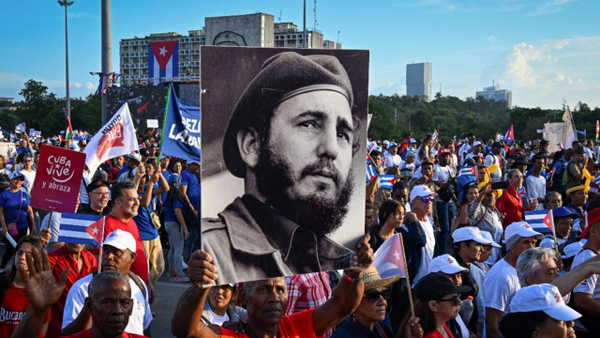
- Cuba is organizing events to commemorate its leader Fidel Castro's 100th birthday while the US reiterates that military options against the island are on the table.
- The article argues Cuba serves as a global example of building a more humane and just society, demonstrating resilience against US hegemony and international capital.
- Despite US sanctions and covert operations aimed at destabilizing the government, Cuba has developed its own pharmaceutical industry, medical treatments, and sent doctors worldwide.
As Cuba prepares to mark the 100th birthday of its iconic leader Fidel Castro with commemorative events, the United States has once again signaled that military action against the island remains a potential option. The US designates Cuba as a national threat, a characterization the article strongly contests, presenting Cuba as a global example of a more humane and just society.
The article highlights Cuba's ability to thrive and develop, particularly in biotechnology and medicine, even under a prolonged US blockade. It contrasts this with the US's decades-long, almost obsessive, policy aimed at dismantling Cuba's socialist system. While military intervention has been mentioned, US actions have primarily focused on intensifying sanctions, which began in 1962, and conducting covert CIA operations.
Recent reports suggest a new US "action force" aims to destabilize the Cuban government from within, seeking to divide, fragment, and undermine the nation to install a pro-American regime. This strategy is framed as "regime adjustment" rather than "regime change." The article notes that past CIA attempts, including assassination plots, have consistently failed, and Cubans have become resistant to such tactics. The current intensified sanctions policy, overseen by US Secretary of State Marco Rubio, is described as suffocating the entire population, drawing comparisons to the situation in Gaza.
DistantNews Editorial
Originally published by Cumhuriyet in Turkish. Translated, summarized, and contextualized by our editorial team with added local perspective. Read our editorial standards.
More Stories


From Our Blog

What Gets Lost (and Found) When News Is Translated

The Critical Role of Diaspora Media in Global News

What Travellers Should Know About Countries with Restricted Press

A Digital Nomad's Guide to Following Local News

How the Same Story Looks Different in Different Countries
