

Why is there no peace on the Mount of Olives? Examining Kennedy's legacy and Middle East conflict
Translated from Hungarian, summarized and contextualized by DistantNews.
At a glance
Analysis
Sources not specified
Context piece
- The article argues that understanding current global problems requires looking back at the era of U.S. President John F. Kennedy and his assassination.
- It suggests that international conflicts accelerated and intensified after Kennedy's death, citing Vietnam and Middle Eastern wars.
- The piece questions the role of the United States, suggesting it may be more involved in instigating conflicts than calming them, and examines Kennedy's complex relationship with Israel regarding its nuclear program.
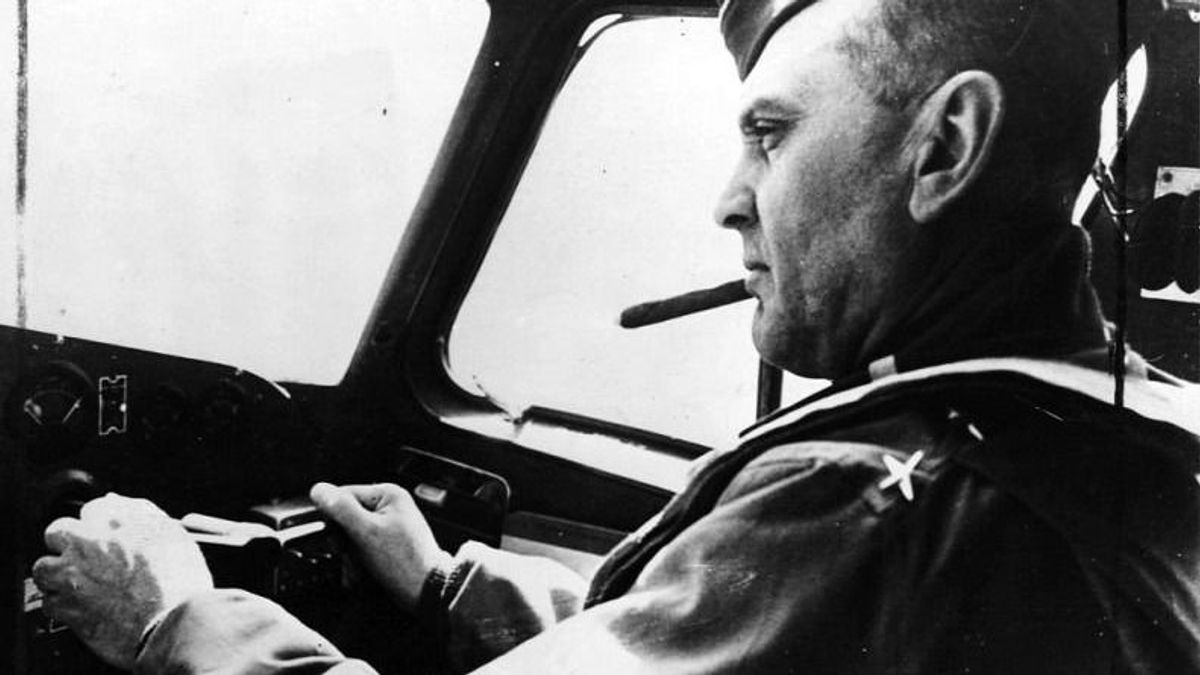
To grasp the complexities of contemporary global issues, the article suggests a return to the era of U.S. President John F. Kennedy and the circumstances surrounding his assassination. It posits that rather than diminishing, international conflicts accelerated and grew more severe following Kennedy's death, pointing to the Vietnam War, Indonesian genocide, and subsequent Arab-Israeli and Middle Eastern wars as evidence of a tragic chain of events.
The author expresses a sentiment that the past sixty years have seen an unprecedented number of wars and conflicts. A particularly unsettling feeling arises from the perception that the United States, which proclaims itself the leader of the free world, may be more interested in instigating conflicts than in fostering peace. This perspective is further explored through Kennedy's interactions with Israel, particularly concerning its nuclear ambitions.
The United States for the best way to serve Israel's national security interests is to maintain and develop its relations with the other nations of the region. [America's] influence can then be used as needed in the various disputes to ensure that Israel's fundamental interests are not prejudiced.
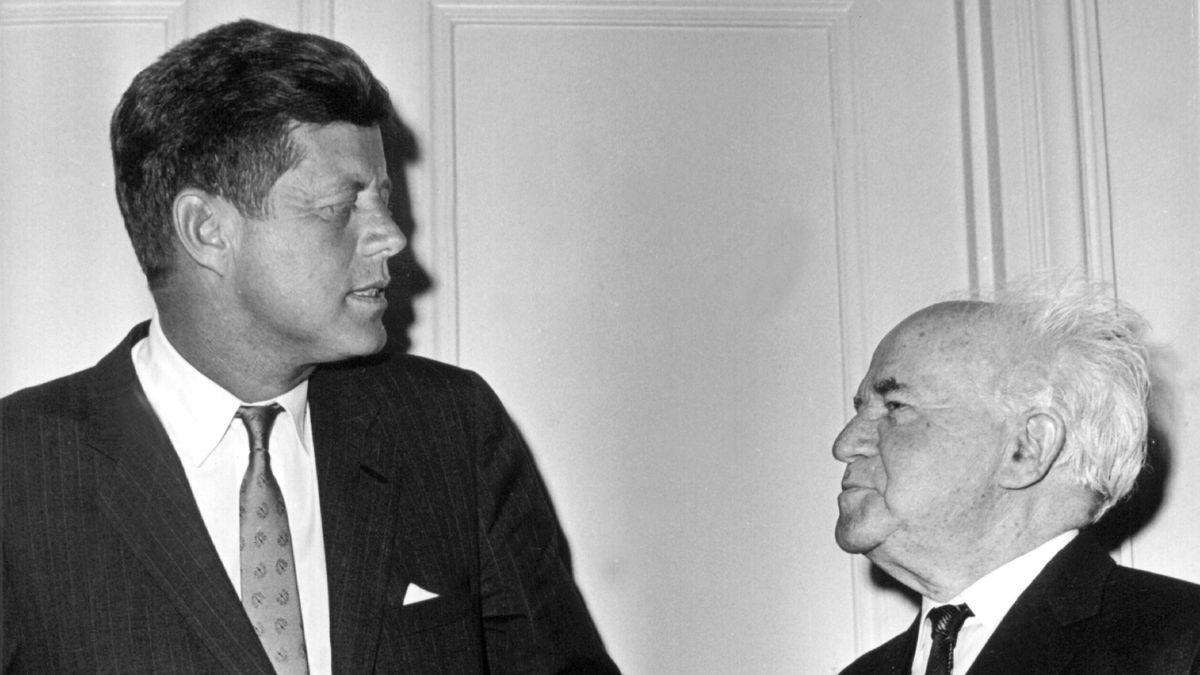
Kennedy's awareness of the Israeli lobby's influence on the Democratic Party led to a meeting with Israeli Foreign Minister Golda Meir in December 1962. During this meeting, Kennedy articulated that the most effective way for the U.S. to serve Israel's national security interests was by maintaining and developing relations with other regional nations. He believed U.S. influence could then be used to ensure Israel's fundamental interests were not compromised. Kennedy sought to avoid confrontation with the Soviet Union and neighboring states over Israel's potential nuclear capabilities.
However, documents released in 2016 revealed that Israel was indeed developing nuclear weapons. This led to growing distrust between Kennedy and Israeli Prime Minister David Ben-Gurion, documented in increasingly acrimonious correspondence that remains largely unpublished. Ben-Gurion's aide described Kennedy's tone as "tyrannical" and "brutal," perceiving his demands as an ultimatum that could lead to military intervention. Simultaneously, Israel faced the formation of a pan-Arab alliance against it, announced in Cairo on April 17, 1963. Amidst the confrontation over the Dimona nuclear site, Ben-Gurion unexpectedly resigned in June 1963, with Levi Eshkol becoming prime minister. The article concludes by acknowledging Israel's sense of threat while also noting that the U.S. would not abandon a state it helped create in a severe war situation, though American experts feared Israel might misuse its nuclear advantage.
Kennedy wrote like a tyrant. He was brutal.
DistantNews Editorial
Originally published by Magyar Nemzet in Hungarian. Translated, summarized, and contextualized by our editorial team with added local perspective. Read our editorial standards.
More Stories
From Our Blog

Countries Without a Free Press: What You Need to Know

What Press Freedom Means for the News You Read

What Gets Lost (and Found) When News Is Translated

The Critical Role of Diaspora Media in Global News

What Travellers Should Know About Countries with Restricted Press
