

Why it took so long to down the first drone: NATO general's uncomfortable revelations
Translated from Romanian, summarized and contextualized by DistantNews.
At a glance
Interview
Sources not specified
Context piece
- Romania's Air Force successfully shot down a Russian drone for the first time in Romanian airspace.
- A retired NATO general highlighted procedural delays and the need for faster decision-making in engaging aerial threats.
- He emphasized the necessity of a clear legal framework to protect military personnel involved in such missions.
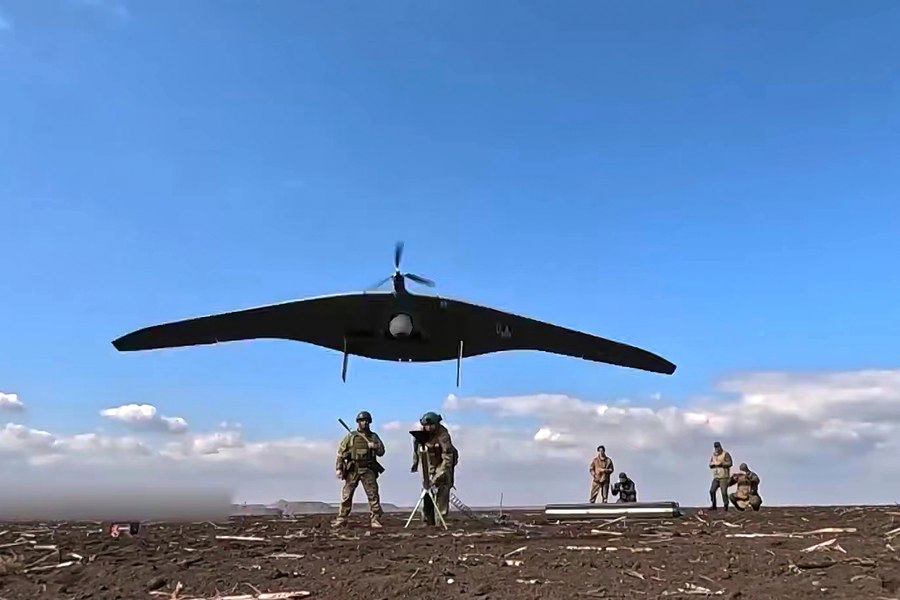
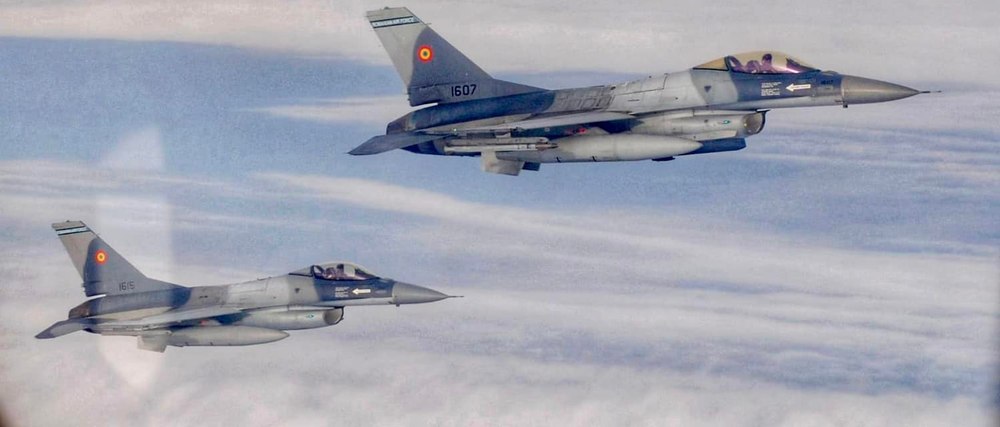
Romania's Air Force achieved a significant milestone by downing a Russian drone in its airspace for the first time. However, the success comes after considerable time and effort, prompting reflection on the military's response mechanisms.
I would say that besides the technical aspects, which have been highlighted, namely that certain conditions must be met for an F-16 pilot, for example, to be able to engage such a target with an onboard missile or onboard cannon, there are different speeds of movement and specific altitudes at which these drones fly.
Retired NATO General Dorin Toma pointed to both technical and procedural issues that may have delayed previous engagements. He explained that engaging targets like drones requires specific conditions, pilot skill, and careful attention to avoid collateral damage, especially given the varying speeds and altitudes at which these aircraft operate. This necessitates specialized training for pilots and operators of anti-aircraft and anti-drone systems.
It is also a procedural problem. It is necessary to delegate the responsibility of making the decision in the shortest possible time to the pilot or spotter, without having a very long decision-making chain.
A critical factor, according to Toma, has been the lengthy decision-making chain. He advocated for delegating the authority to engage targets more rapidly to pilots or operators. "When the target is observed and identified, and the operator or pilot meets all technical conditions, they must have the authority to open fire without seeking all sorts of approvals, because otherwise the opportune moment, the window of opportunity, is lost," Toma stated. He suggested that the lack of such delegated authority likely contributed to the inability to act decisively in past instances where opportunities were missed.
When the target is observed and identified, and the operator or pilot meets all technical conditions, they must have the authority to open fire without seeking all sorts of approvals, because otherwise the opportune moment, the window of opportunity, is lost.
While the recent success is encouraging, Toma stressed the ongoing need for a clear legal framework to protect military personnel undertaking these missions. He indicated that existing legal provisions may still have gaps, leaving soldiers uncertain about their legal standing when engaging threats. Ensuring that military personnel have adequate legal cover is crucial for maintaining confidence and ensuring effective operations in the face of evolving aerial threats.
There is also a legal aspect that I have highlighted and which is not yet covered: these people who carry out the missions, the soldiers, the operators, the pilots, must be covered by an appropriate legal framework.
DistantNews Editorial
Originally published by Adevărul in Romanian. Translated, summarized, and contextualized by our editorial team with added local perspective. Read our editorial standards.
More Stories

From Our Blog

What Gets Lost (and Found) When News Is Translated

The Critical Role of Diaspora Media in Global News

What Travellers Should Know About Countries with Restricted Press

A Digital Nomad's Guide to Following Local News

How the Same Story Looks Different in Different Countries
