


Why La Guaira's Earthquakes Were So Devastating and What Must Change Before Reconstruction
Translated from Spanish, summarized and contextualized by DistantNews.
At a glance
News
Sources not specified
Outcome reported
- Earthquakes struck La Guaira, Venezuela, with devastating force, leaving behind widespread destruction and a humanitarian crisis.
- Scientists attribute the severe damage not just to the earthquake's magnitude but to a confluence of factors: intense ground motion, soil amplification, and vulnerable buildings.
- The seismic event involved a rupture along multiple fault lines, extending over 200 kilometers and releasing significant energy off the coast of La Guaira.
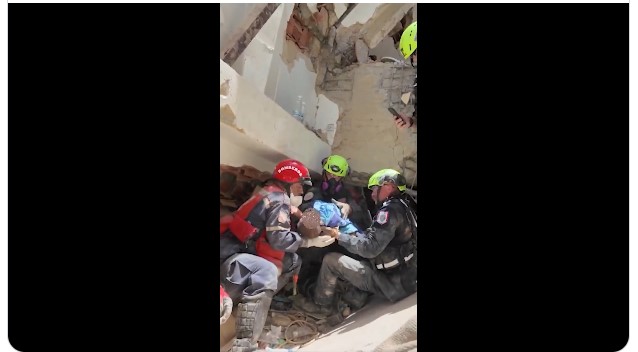
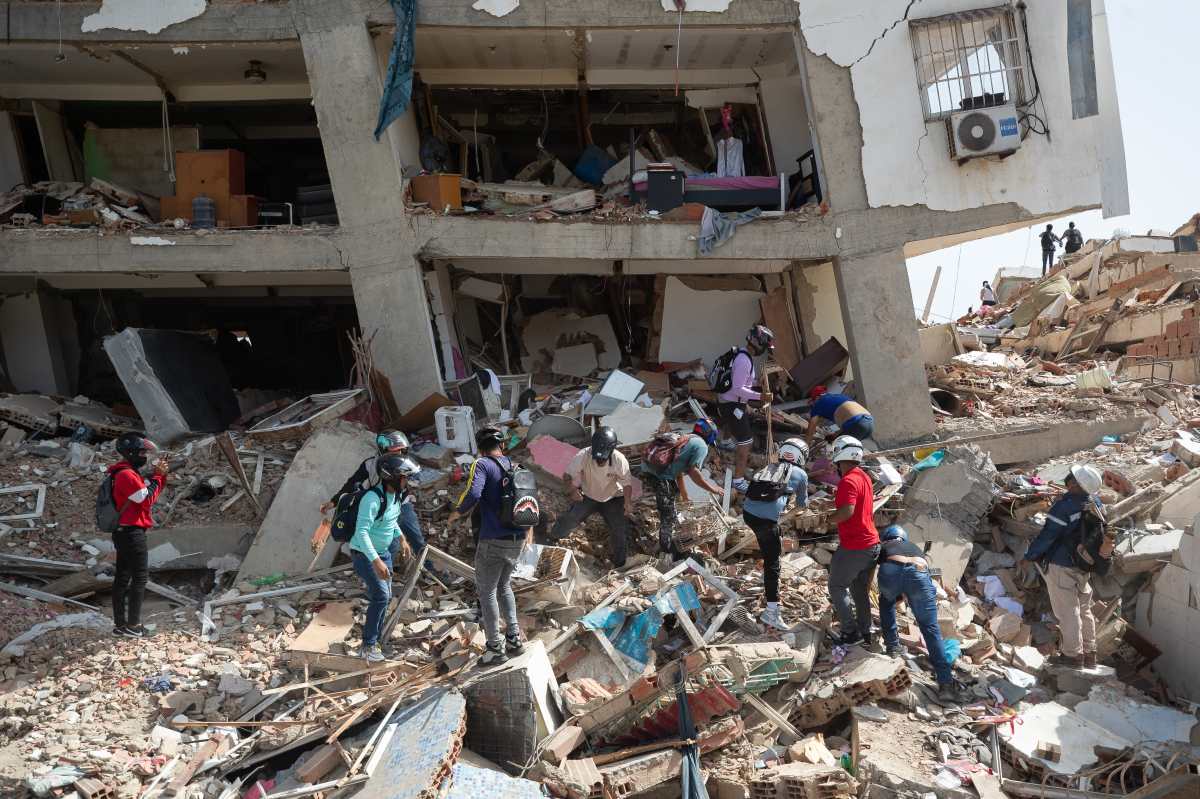
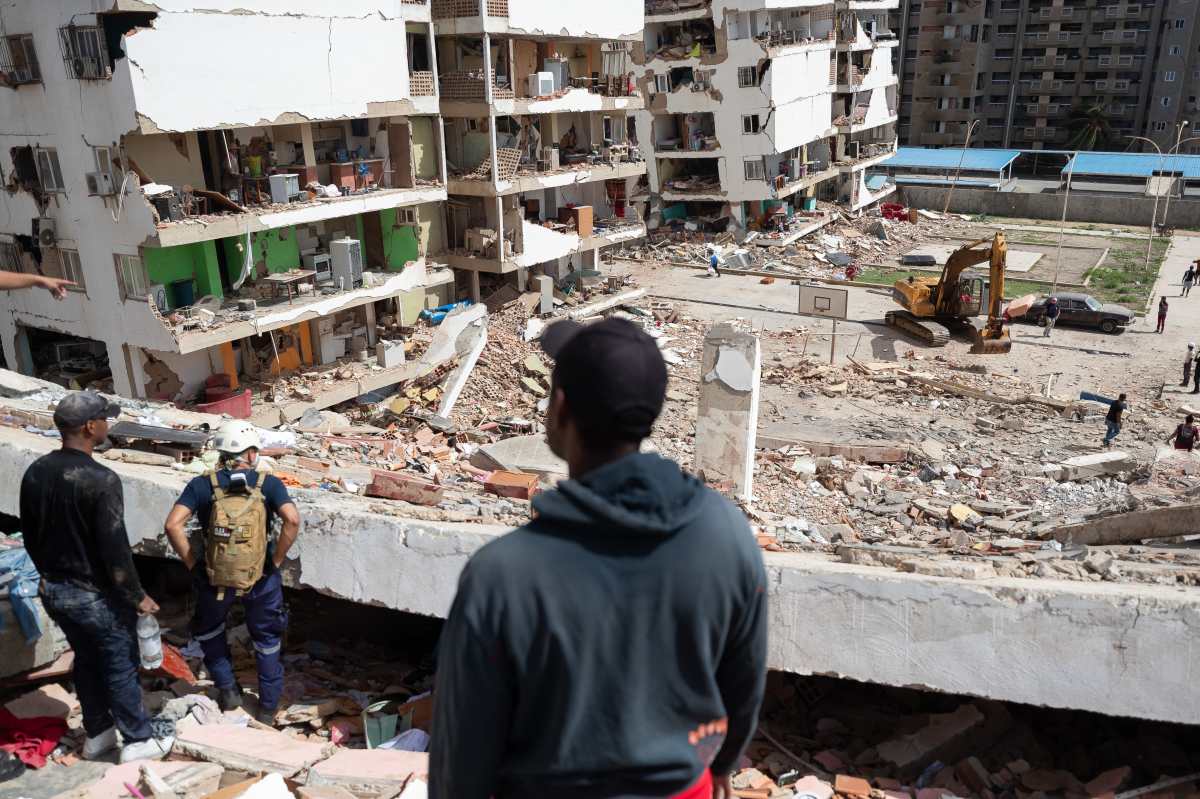
The recent earthquakes that struck Venezuela's La Guaira region have left a landscape of devastation, with buildings reduced to rubble and entire neighborhoods transformed into scenes of destruction. Beyond the immediate humanitarian emergency, the seismic event has ignited a critical scientific debate regarding the unusually high level of destruction in La Guaira compared to other affected areas.
It was not a single factor. It was the superposition of several phenomena that acted at the same time.
While the seismic rupture initiated in Yaracuy state, the most significant energy release occurred off the coast of the central littoral. Geofísico Michael Schmitz explained that this, combined with the local geology, the vulnerability of many structures, and years of diminished scientific capacity to study seismic risk, created an exceptional situation. "It was not a single factor. It was the superposition of several phenomena that acted at the same time," Schmitz told El Nacional.
Schmitz emphasized that attributing the tragedy solely to the earthquake's magnitude would be an oversimplification. He elaborated, "To put it simply, it was a superposition of three phenomena: ground motion far greater than estimated, amplification produced by certain types of soil, and the vulnerability of the buildings." Each of these elements, he stressed, requires detailed investigation before any reconstruction efforts can begin.
I would say, to make it simple, that it was a superposition of three phenomena: ground motion far greater than estimated, amplification produced by certain types of soil, and the vulnerability of the buildings.
The initial confusion following the disaster stemmed from the discrepancy between reported epicenters and the areas of greatest damage. Schmitz clarified that the rupture evolved across multiple fault lines. It began on the Boconó fault, and about 30 seconds later, extended to the Morón fault, which is part of the San Sebastián system. "They ended with a significant displacement on the San Sebastián fault, between one and two meters, practically off the coast of La Guaira. That is where the great energy release responsible for the destruction occurred," he explained. Schmitz views the events not as two independent earthquakes but as a single, large tectonic process that extended approximately 200 kilometers.
They ended with a significant displacement on the San Sebastián fault, between one and two meters, practically off the coast of La Guaira. That is where the great energy release responsible for the destruction occurred.
DistantNews Editorial
Originally published by Prensa Libre in Spanish. Translated, summarized, and contextualized by our editorial team with added local perspective. Read our editorial standards.
More Stories
From Our Blog

What Gets Lost (and Found) When News Is Translated

The Critical Role of Diaspora Media in Global News

What Travellers Should Know About Countries with Restricted Press

A Digital Nomad's Guide to Following Local News

How the Same Story Looks Different in Different Countries
