

Why maintaining our old churches should not be the state's responsibility
Translated from Danish, summarized and contextualized by DistantNews.
At a glance
Opinion
Sources not specified
Context piece
- A proposal to shift the maintenance of old Danish churches from the National Church to state funding is being opposed.
- Critics argue that making church maintenance a state task would make it an easy target for budget cuts in future finance laws.
- The proposal is seen as a cost-saving measure that undermines the National Church, which is currently functioning well.
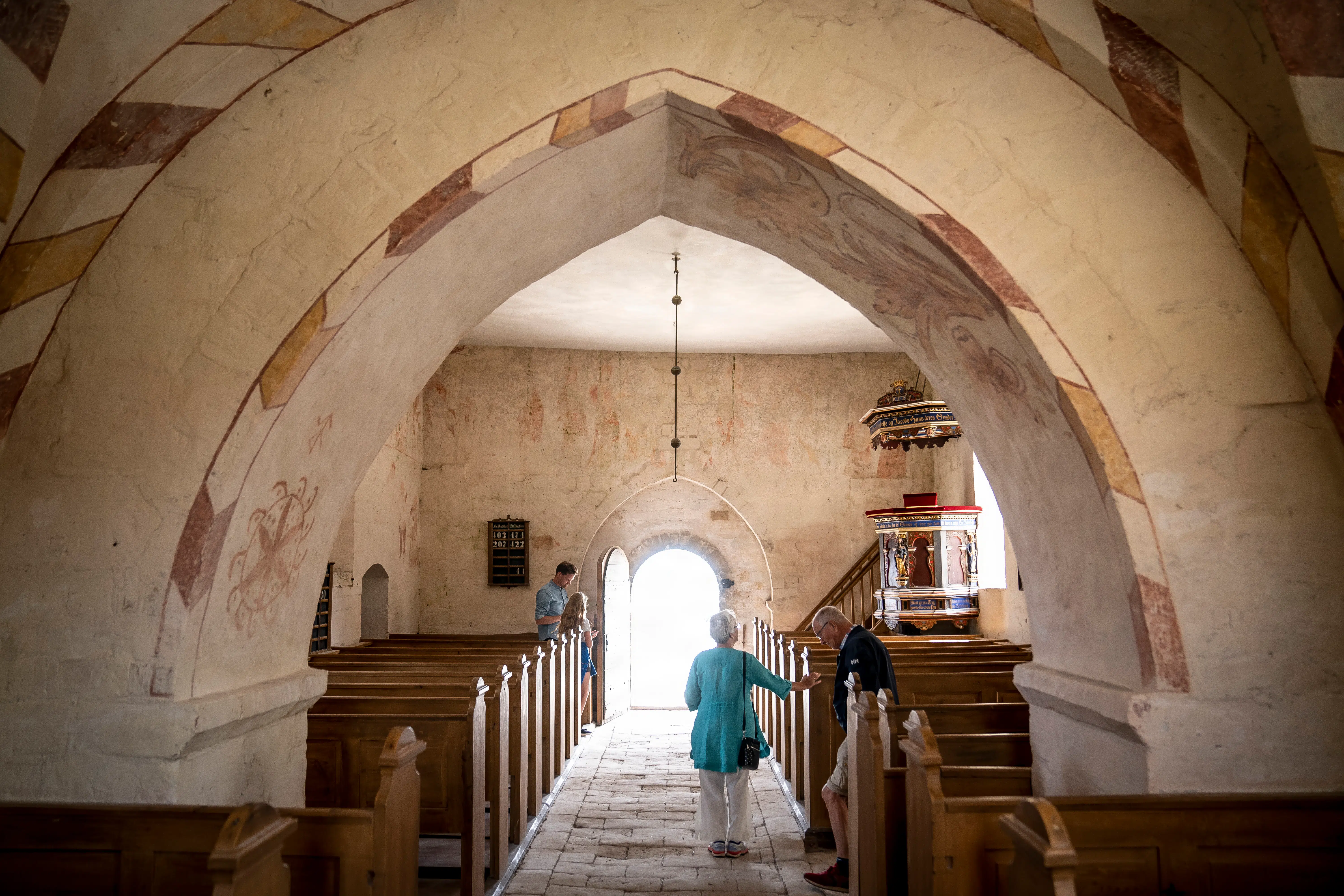
A proposal to transfer the financial responsibility for maintaining Denmark's old churches from the National Church to state funding has drawn sharp criticism. Carl Andersen, a member of parliament for the Liberal Alliance, suggested this shift, but opponents warn it could weaken the church's financial stability.
The core argument against the proposal is that it would make church building maintenance an easy target for budget cuts during future finance law negotiations. Critics fear that members of parliament less inclined to support the National Church could easily propose reducing maintenance funds, even if framed as a temporary postponement.
This approach is compared to how funding for green areas might be prioritized over essential infrastructure like sewage systems, which often face postponements with negative environmental consequences. The current system, where building maintenance is closely tied to the users of the buildings, is seen as functioning well for the National Church and should not be altered.
Opponents view the proposal as a cost-saving measure, a fact not hidden by the Liberal Alliance itself, according to their website. This is considered particularly unfortunate at a time when many others are advocating for strengthening the National Church.
DistantNews Editorial
Originally published by Berlingske in Danish. Translated, summarized, and contextualized by our editorial team with added local perspective. Read our editorial standards.
More Stories


From Our Blog

What Gets Lost (and Found) When News Is Translated

The Critical Role of Diaspora Media in Global News

What Travellers Should Know About Countries with Restricted Press

A Digital Nomad's Guide to Following Local News

How the Same Story Looks Different in Different Countries
