

Why migrants come to Germany for work and then leave again
Summarized and contextualized by DistantNews.
At a glance
News
Sources not specified
New plan
- Researchers found that emigration from Germany is driven by multiple factors, including family reasons and experiences of discrimination.
- Emigrants are typically younger, have spent less time in Germany, and are more likely to have family abroad and a better command of English than German.
- Bureaucracy, lengthy processing times for permits and qualifications, and a lack of career development support are significant frustrations for those leaving.
Understanding why migrants leave Germany is crucial for successful immigration policy, according to researchers at the Institute for Employment Research (IAB). A recent online survey of individuals who had immigrated to Germany before April 2025 and subsequently departed revealed that emigration is not attributed to a single cause.
Anyone who wants to shape immigration successfully must also understand emigration.
Family-related issues emerged as a significant driver, alongside experiences of discrimination. Researchers also identified factors such as bureaucracy, housing availability, and language acquisition as key influences that could be addressed through public policy. These elements collectively shape how immigrants perceive their future prospects in Germany.
On average, emigrants are younger. They have spent less time in Germany and are more likely to have partners and children living abroad. They are also less likely to be proficient in German but more likely to have a good command of English.
The study indicates that emigrants tend to be younger, have resided in Germany for shorter periods, and are more likely to have partners or children living abroad. While proficiency in German may be lower, a good command of English is more common among those who leave. Approximately 60% of emigrants return to their home countries, while the remaining 40% relocate to other European destinations like Spain, Switzerland, Italy, and Croatia.
We are competing with other European countries for skilled workers.
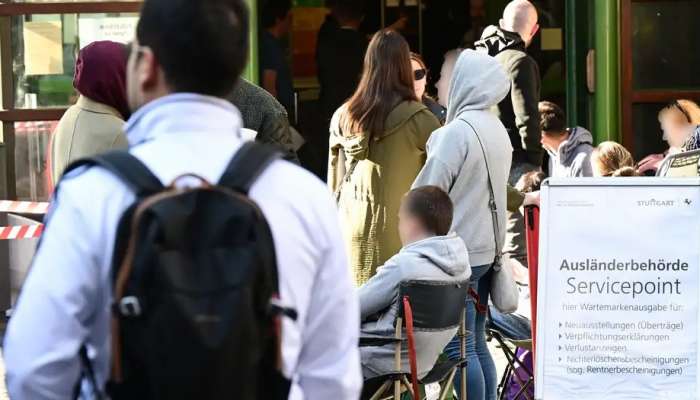
Frustrations with Germany's administrative processes are a major point of contention. Emigrants frequently cite lengthy processing times for naturalization applications, residence permits, and the recognition of foreign qualifications. They also express dissatisfaction with the lack of support for career development from various institutions and employers. This bureaucratic burden complicates long-term planning, access to employment, and the overall sense of belonging for immigrants.
It becomes problematic when the path to Germany is flawed from the out
DistantNews Editorial
Originally published by Times of Oman. Summarized and contextualized by our editorial team with added local perspective. Read our editorial standards.
More Stories



From Our Blog

What Gets Lost (and Found) When News Is Translated

The Critical Role of Diaspora Media in Global News

What Travellers Should Know About Countries with Restricted Press

A Digital Nomad's Guide to Following Local News

How the Same Story Looks Different in Different Countries
