


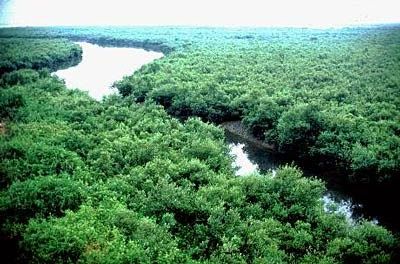
Why Nigeria must invest in mangroves preservation
Summarized and contextualized by DistantNews.
At a glance
Analysis
Sources not specified
Context piece
- Nigeria faces alarming biodiversity loss, with mangrove forests shrinking rapidly due to oil pollution, urban sprawl, and aquaculture.
- This deforestation exacerbates climate change impacts like rising sea levels, intensified storms, and threatens food security and economic stability.
- Investing in mangrove restoration offers significant benefits, including substantial carbon sequestration, coastal protection, and economic opportunities through carbon markets.
Nigeria is experiencing a severe decline in biodiversity, with its vital mangrove ecosystems vanishing at an alarming rate. Globally, forests have been lost extensively since 1990, but mangroves are disappearing even faster, with 35 percent of their original extent gone. In Nigeria, the Niger Delta's mangrove forests have shrunk by over 40 percent in the last three decades.
This rapid deforestation is driven by a combination of factors, including oil pollution, unchecked urban expansion, and unsustainable aquaculture practices. The consequences are dire: coastlines are increasingly eroded by rising sea levels, and communities face intensified storm surges, as witnessed in Lagos. Furthermore, polluted waters decimate fisheries that millions rely on for sustenance, and the loss of these crucial carbon sinks accelerates global warming, portending future famines, mass displacement, and economic collapse.
However, mangrove restoration presents a proven solution to counteract these devastating trends. This process involves replanting native species, rehabilitating degraded soils and water systems, and protecting new growth. The benefits are multi-faceted and substantial. Mangroves are exceptionally effective at absorbing carbon dioxide, sequestering up to four times more per hectare than terrestrial forests. Their "blue carbon" soils lock away CO2 for centuries, playing a critical role in mitigating climate change.
Beyond carbon capture, restored mangroves act as natural barriers, shielding coastlines from erosion and storm surges. They also revitalize fish nurseries, boosting biodiversity and supporting vital fisheries. Additionally, mangroves filter pollutants, improving water quality, and sustain local livelihoods through fishing, honey harvesting, and the development of ecotourism. The potential for economic gain is also significant, as preserved mangroves can be monetized in burgeoning carbon markets, generating tradable credits for verified CO2 storage.
DistantNews Editorial
Originally published by Vanguard. Summarized and contextualized by our editorial team with added local perspective. Read our editorial standards.
More Stories



From Our Blog

How the Same Story Looks Different in Different Countries

What Gets Lost (and Found) When News Is Translated

The Critical Role of Diaspora Media in Global News

What Travellers Should Know About Countries with Restricted Press

A Digital Nomad's Guide to Following Local News
