

Why Romania's energy crisis won't end with the Danube's flow: Lessons from an unprecedented alert
Translated from Romanian, summarized and contextualized by DistantNews.
At a glance
News
Named sources
Context piece
- Romania's energy system faces vulnerabilities exposed by critically low Danube river levels, threatening major production capacities.
- The current energy alert, triggered by extreme weather, highlights a deep-seated reliance on water-dependent resources and the urgent need for investment in new capacities and storage.
- Climate change is transforming exceptional drought events into recurring risks, necessitating a resilient energy infrastructure beyond just production capacity.
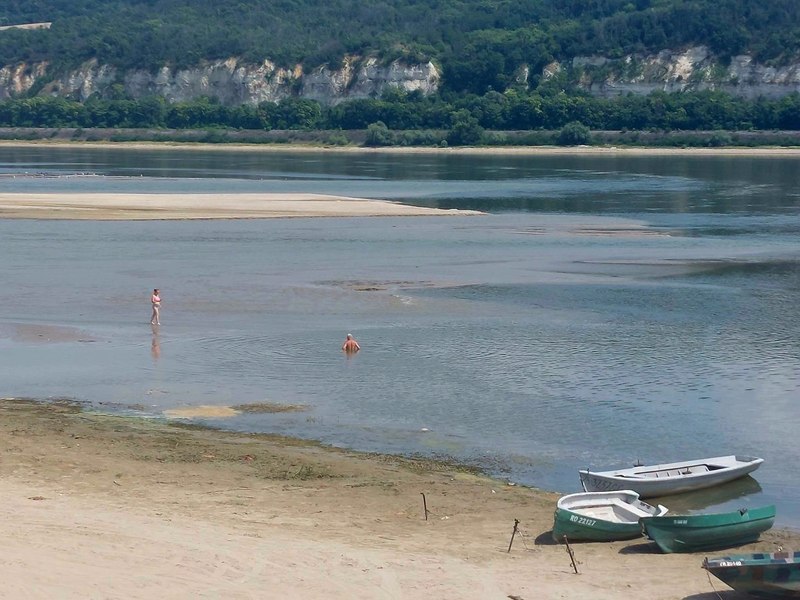
Romania's energy sector is grappling with significant vulnerabilities, starkly revealed by the dramatic reduction in the Danube River's flow. This situation has brought the nation's energy system's fragility to the forefront, with the risk of shutting down crucial production facilities looming.
While the immediate crisis is linked to extreme meteorological conditions and may ease as water levels rise, it underscores a more profound issue: Romania's significant dependence on resources susceptible to climate change. The current energy alert, declared due to record-low Danube levels, is a short-term crisis but could become a recurring scenario in the coming years. The government has urged major electricity consumers to reduce usage during peak hours and implemented emergency measures to maintain energy infrastructure operations.
The Danube's flow has dropped to approximately 1,500 cubic meters per second, a level nearly three times below the seasonal average. This has led to the shutdown of a reactor at the Cernavodă nuclear power plant and forced the Iron Gates hydroelectric plants to operate at less than half capacity. Similar challenges are affecting Hungary's Paks nuclear plant and other energy facilities across Europe, indicating a broader continental issue.
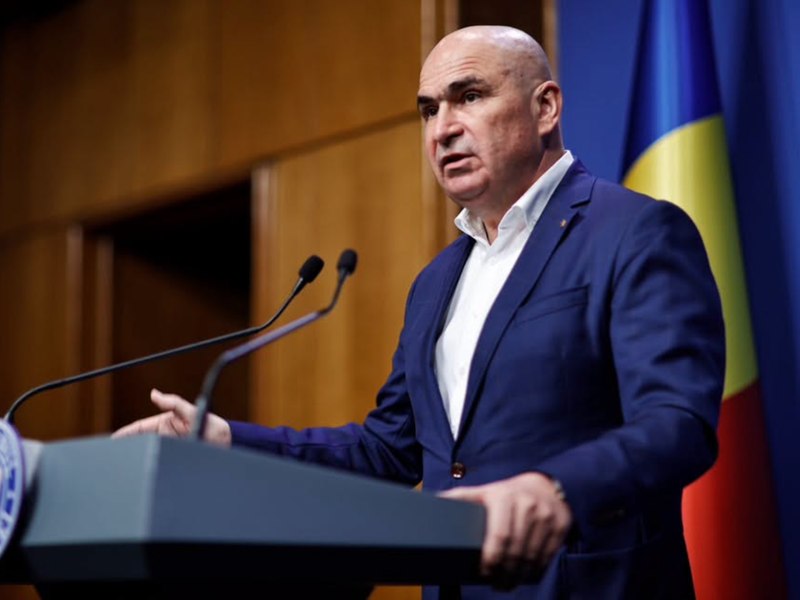
Bogdan Maioreanu, an analyst at eToro, notes that energy security now hinges not only on production capacity but also on its resilience against extreme weather events. Romania's energy mix, while diverse, shows a substantial reliance on water. Hydropower contributed about a quarter of the total electricity production in the last 12 months, while nuclear power provided nearly 19%. The analyst stresses the need for investments in new capacities and systems that reduce vulnerability when certain energy sources become unavailable.
Actuala situație arată că securitatea energetică nu mai depinde doar de existența unor capacități de producție, ci și de reziliența lor în fața unor fenomene extreme.
DistantNews Editorial
Originally published by Adevărul in Romanian. Translated, summarized, and contextualized by our editorial team with added local perspective. Read our editorial standards.
More Stories

From Our Blog

What Gets Lost (and Found) When News Is Translated

The Critical Role of Diaspora Media in Global News

What Travellers Should Know About Countries with Restricted Press

A Digital Nomad's Guide to Following Local News

How the Same Story Looks Different in Different Countries
