


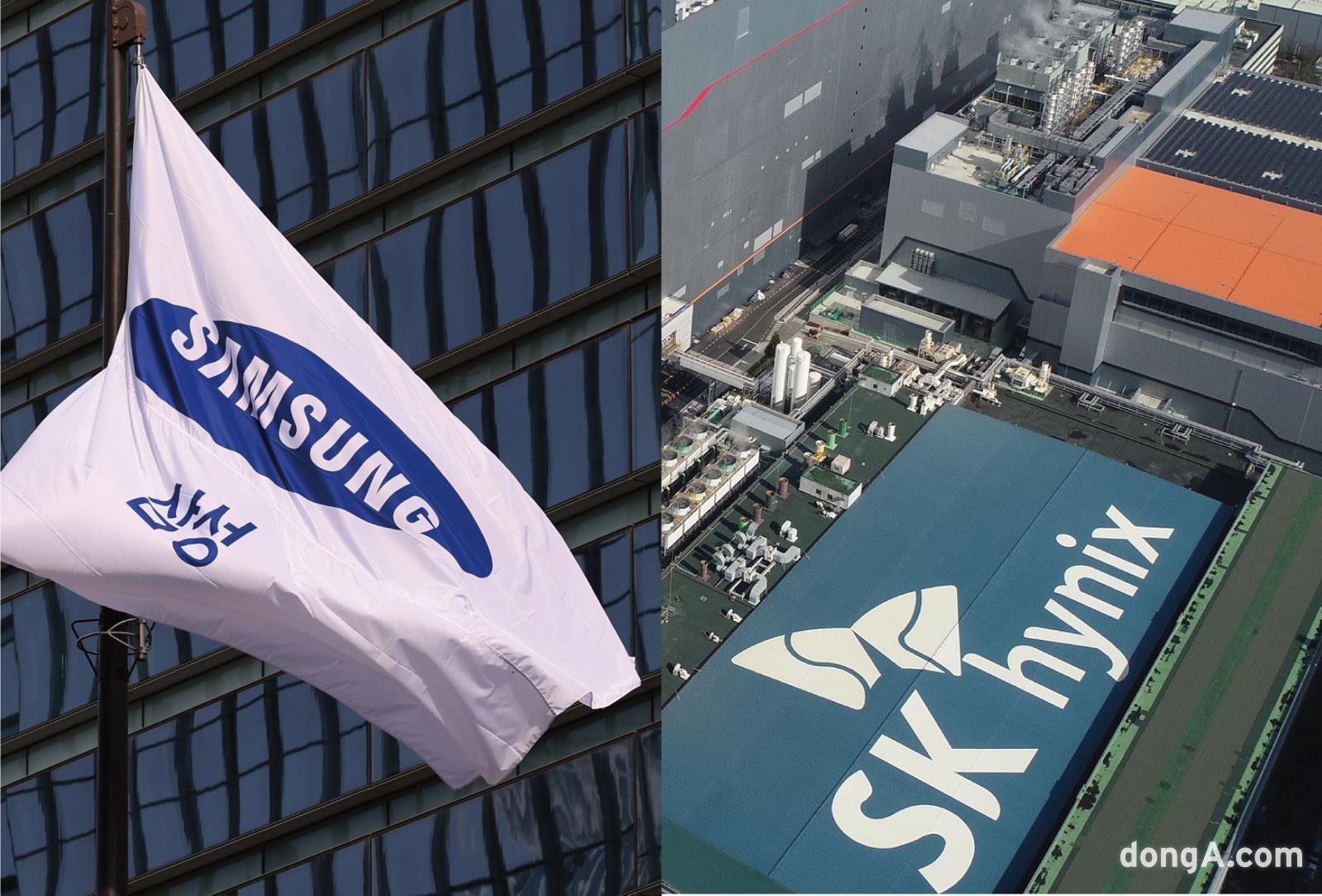
“Why Should Only Hynix Get Performance Bonuses? Give Them in Local Currency.” An Absurd Claim, Why?
Translated from Korean, summarized and contextualized by DistantNews.
TLDR
- An unusual argument has emerged online suggesting that performance bonuses for employees at major semiconductor companies like SK Hynix and Samsung Electronics should be paid in local currency.
- Proponents of this idea argue that these companies' success is a collective national achievement and that distributing bonuses via local currency would stimulate the domestic economy and prevent funds from flowing into real estate.
- Critics, however, argue that such a proposal infringes on property rights and that companies already bear significant tax burdens, making the demand for shared bonuses unfounded.
A peculiar debate is currently unfolding in South Korea, sparked by an anonymous online post suggesting that performance bonuses for employees at top semiconductor firms, such as SK Hynix and Samsung Electronics, should be distributed as local currency. This idea, while seemingly outlandish, taps into a broader sentiment about wealth distribution and the role of large corporations in the national economy.
The argument posits that the immense success of these tech giants is not solely the product of their employees' efforts but a collective achievement of the nation. Therefore, proponents suggest that paying bonuses in local currency would not only boost domestic consumption but also act as a safeguard against the speculative real estate market. This perspective reflects a desire to see the fruits of corporate success more broadly shared among the populace and channeled into tangible economic activity.
However, this proposition has been met with strong criticism, primarily centered on the principle of property rights. Detractors argue that demanding companies share their performance bonuses with the public infringes upon the rights of both the company and its employees. They contend that the significant taxes already paid by these corporations should suffice as their contribution to the national economy, rendering the idea of mandated bonus sharing baseless.
SK Hynix, for instance, is projected to achieve an operating profit of approximately 250 trillion won this year, with performance bonuses potentially reaching 25 trillion won, averaging around 700 million won per employee. Samsung Electronics also reported a substantial first-quarter performance. The debate over how these windfalls should be utilized—whether retained by the companies and their employees or redistributed through innovative means like local currency bonuses—highlights a fascinating tension in South Korea's economic discourse, particularly concerning the balance between corporate success and national welfare.
DistantNews Editorial
Originally published by Dong-A Ilbo in Korean. Translated, summarized, and contextualized by our editorial team with added local perspective. Read our editorial standards.
More Stories


From Our Blog

What Gets Lost (and Found) When News Is Translated

The Critical Role of Diaspora Media in Global News

What Travellers Should Know About Countries with Restricted Press

A Digital Nomad's Guide to Following Local News

How the Same Story Looks Different in Different Countries
