


Why Submarines Are Causing Traffic Jams in Hamburg
Translated from German and summarized by DistantNews. Read the original for the full story.
At a glance
In-depth
Named sources
New plan
- Hamburg is hosting the SMM shipbuilding trade fair, which is expected to draw up to 50,000 visitors from about 70 countries and disrupt traffic around the city.
- Germany’s shipbuilding industry has recorded its second-highest order intake, while northern German shipyards employ 17,100 people and plan to add 1,700 jobs.
- Hamburg is missing out on part of the military shipbuilding boom after the government ended procurement of the F126 frigate class, putting planned jobs at Blohm+Voss and Rheinmetall on hold.
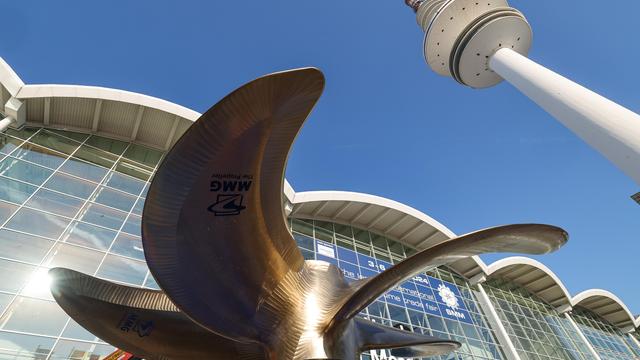
Submarines, corvettes and cargo ships are not the usual cause of traffic around Hamburg’s television tower. This week, however, the city is hosting SMM, the world’s largest shipbuilding trade fair, held every two years.
Up to 50,000 visitors from around 70 countries are expected at the exhibition halls through Friday. Many can be spotted in the Karolinenviertel in blue suits, comfortable shoes and white visitor badges that remain around their necks late into the night.
The mood reflects a broader boom in global shipbuilding. Germany has recorded the industry’s second-highest order intake in its history, according to Reinhard Lüken of the German Shipbuilding and Ocean Industries Association. Northern German shipyards employ 17,100 people, 2,400 more than a year earlier, according to an IG Metall survey of works councils. Companies plan to create another 1,700 jobs this year.
We have really strong tailwinds.
Demand for cruise ships and superyachts supports the expansion, while military shipbuilding provides its biggest boost. Military contracts now account for more than half of shipbuilders’ orders. Germany holds about 30 percent of the global superyacht market through companies including Abeking & Rasmussen and Lürssen.
Hamburg, however, is receiving less of the military surge than expected. Defense Minister Boris Pistorius announced in June that the procurement and construction of the six F126 frigates would end. Some of the work had been expected at Blohm+Voss, while Rheinmetall had planned up to 500 jobs in the city. Union leader Daniel Friedrich said that hiring plan is now on hold and that Blohm+Voss has paused its expected upswing.
The outlook is as good as it has rarely been in the past four decades.
About this summary
Originally published by Die Zeit in German. Translated, summarized, and contextualized automatically by DistantNews, with a note on how the source frames the story. Not individually reviewed before publishing. How this works.
More Stories



From Our Blog

What Gets Lost (and Found) When News Is Translated

How the Same Story Looks Different in Different Countries

The Critical Role of Diaspora Media in Global News

What Travellers Should Know About Countries with Restricted Press

A Digital Nomad's Guide to Following Local News
