


Why the AI future won’t be decided by algorithms and chatbots
Summarized and contextualized by DistantNews.
At a glance
Analysis
Named sources
Context piece
- The race for artificial intelligence dominance may hinge on physical infrastructure like semiconductor factories and data centers, not just algorithms.
- Countries controlling this infrastructure, particularly computing power, are positioned to gain significant economic and geopolitical influence.
- The United States currently leads in data center capacity, with major tech companies investing heavily in AI infrastructure.
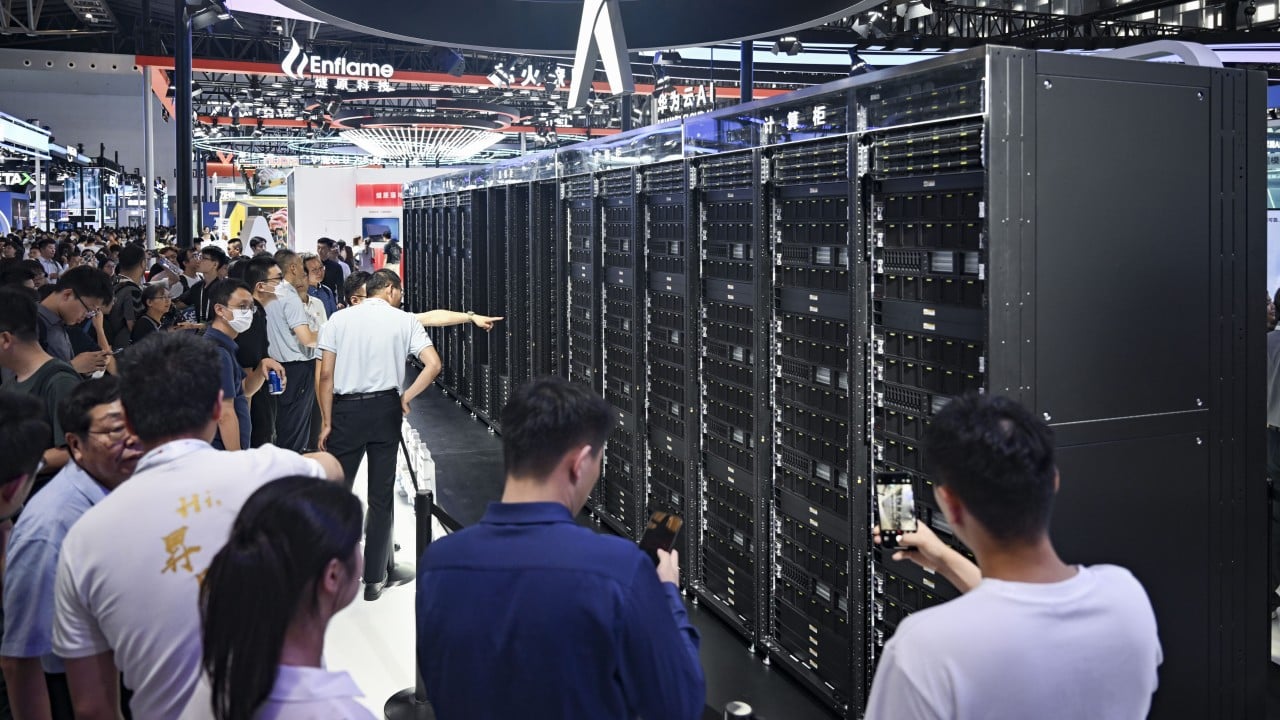
While much attention focuses on advanced algorithms and chatbots like ChatGPT, the true battleground for artificial intelligence supremacy may lie in the physical infrastructure that powers these technologies. This includes semiconductor factories, data centers, cloud networks, transmission lines, and power plants – the essential components of the 21st-century digital economy.
Nonetheless, the most consequential battle in the AI age may not be over algorithms at all. It may be over the machines.
History offers a parallel: economic power once flowed to nations controlling manufacturing capacity during the Industrial Revolution, and later, geopolitical influence was tied to oil and energy markets. Today, computing power is emerging as the critical strategic asset. Countries that own the underlying infrastructure are likely to hold a significant advantage over those that merely access the applications built upon it.
The United States currently dominates the global data center landscape, hosting over 4,200 facilities, which represent nearly half of the world's capacity. In comparison, Germany has slightly over 500, and China fewer than 500. India, despite its large population, has close to 300. This disparity is crucial because AI models, especially advanced ones, require immense processing power for training and deployment.
Increasingly, the divide may be between countries that own the infrastructure behind AI and those that only access the applications built on top of it.
Furthermore, the U.S. advantage is bolstered by the dominance of its major tech companies. Microsoft, Amazon, Google, and Meta operate some of the world's largest cloud networks and are collectively investing tens of billions of dollars annually in expanding their AI infrastructure. Microsoft alone reported an investment of around $80 billion in AI data centers in the last financial year, highlighting the scale of resources being poured into this foundational technology.
In the last financial year, Microsoft said it was investing around US$80 billion in AI data centres.
DistantNews Editorial
Originally published by South China Morning Post. Summarized and contextualized by our editorial team with added local perspective. Read our editorial standards.
More Stories

From Our Blog

Countries Without a Free Press: What You Need to Know

What Press Freedom Means for the News You Read

What Gets Lost (and Found) When News Is Translated

The Critical Role of Diaspora Media in Global News

What Travellers Should Know About Countries with Restricted Press
