

Why the 'Big Three' want direct talks with Putin – 'If they present serious ideas, we will evaluate them,' says Moscow
Translated from Greek, summarized and contextualized by DistantNews.
At a glance
News
Named sources
Ongoing story
- France, Germany, and Britain are reportedly preparing a plan for direct talks with Russia to end the war in Ukraine.
- Moscow has stated it is open to dialogue if constructive and serious proposals are presented.
- The initiative comes as US-led talks have stalled and Russia controls about 20% of Ukrainian territory.
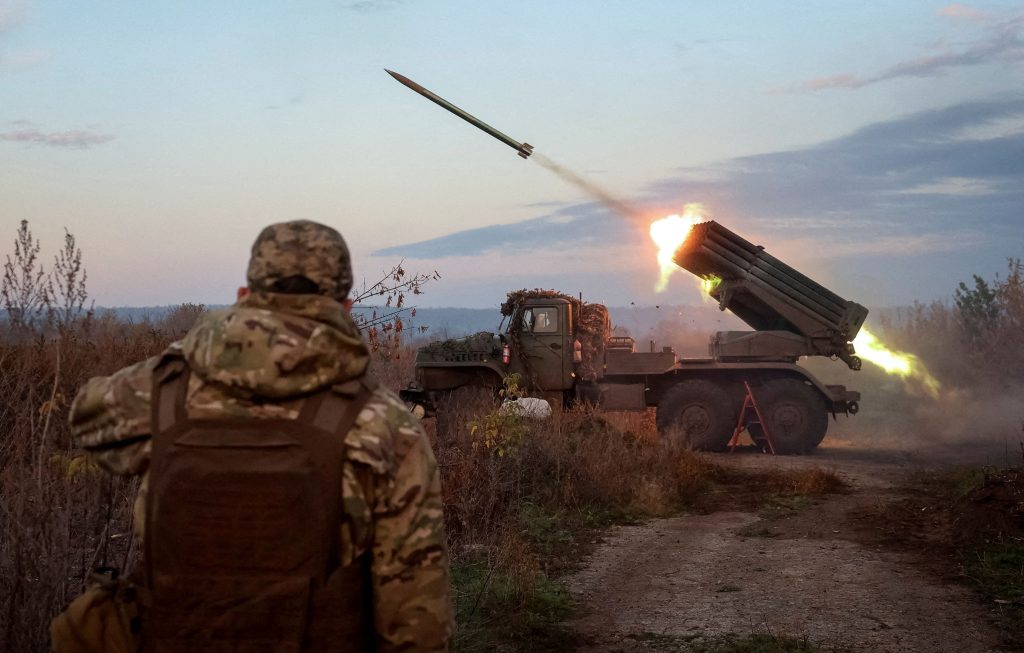
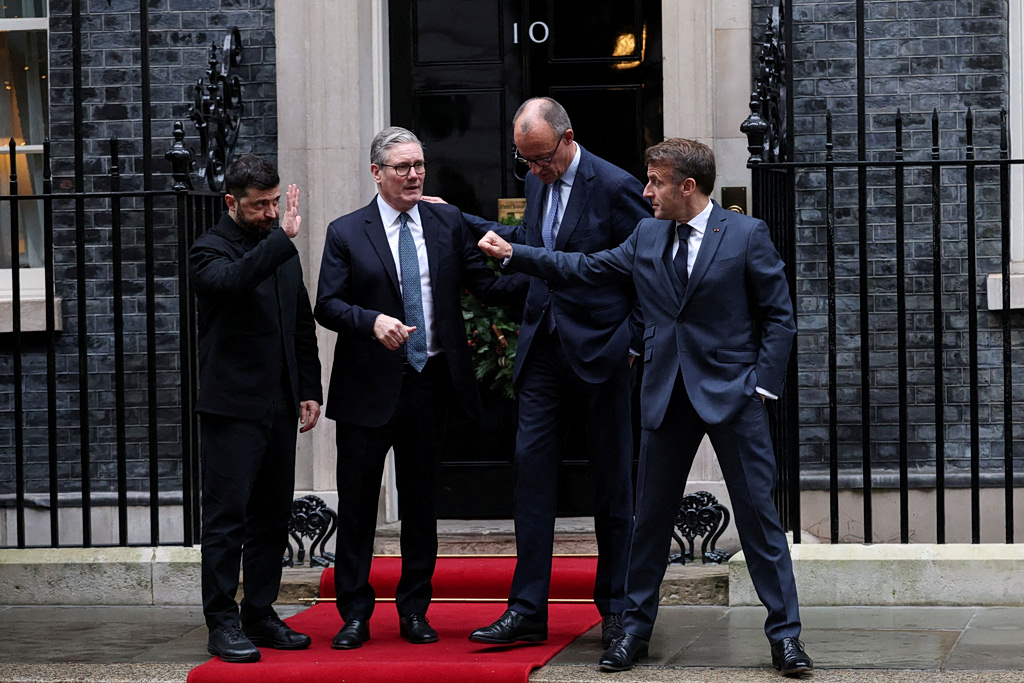
The primary supporters of Kyiv, France, Germany, and Britain, are reportedly preparing a plan to initiate negotiations with Russia, aiming to end the conflict in Ukraine. According to Bloomberg, citing sources familiar with the matter, the "Big Three" initiative envisions talks involving both sides, and the three governments have informed Kyiv of their intentions.
Moscow has conveyed a clear message: "We are not closing the door to dialogue, but Europeans have been hostile until today. If they present constructive and serious ideas, we will evaluate them." This comes as US-led negotiations have reached a stalemate, and Russia currently controls nearly all of eastern Ukraine, approximately 20% of the country's total territory.
The leadership of these three nations believes the conditions are ripe for negotiations with Vladimir Putin. They suggest that recent Ukrainian attacks deep within Russian territory are increasing pressure on the Kremlin and causing tensions within Russia's top leadership. Simultaneously, the cost of the conflict is escalating, compounded by an energy crisis linked to geopolitical events, significantly burdening European budgets.
European nations are keen to avoid another winter where Russia could target critical energy infrastructure, further straining Ukraine's resilience. The sources indicate that the progression of these talks with Moscow depends entirely on Ukrainian President Volodymyr Zelenskyy, as European leaders are unwilling to pressure him into a strategy he does not endorse. Zelenskyy has continued to appeal to allies for more air defense systems amidst ongoing Russian bombardments.
However, European resources, both financial and military, are dwindling. Support for Kyiv is becoming increasingly challenging for European economies facing severe fiscal pressures. Zelenskyy has previously stated that Europe must adopt an autonomous role in negotiation efforts, which have largely been led by the United States. A meeting between British Prime Minister Keir Starmer, German Chancellor Friedrich Merz, and French President Emmanuel Macron is expected soon. Disagreements exist within the EU, with some countries advocating for increased pressure on Putin.
DistantNews Editorial
Originally published by Ta Nea in Greek. Translated, summarized, and contextualized by our editorial team with added local perspective. Read our editorial standards.
More Stories
From Our Blog

What Gets Lost (and Found) When News Is Translated

The Critical Role of Diaspora Media in Global News

What Travellers Should Know About Countries with Restricted Press

A Digital Nomad's Guide to Following Local News

How the Same Story Looks Different in Different Countries
