


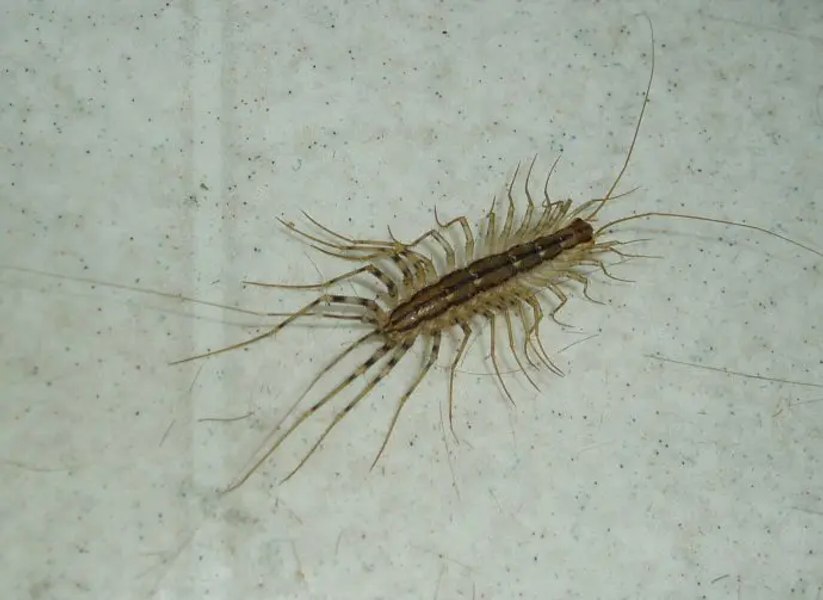
Why the House Centipede Appears and How Dangerous is the 'Many-Legged Bug': Risks of Bites and How to Get Rid of It
Translated from Romanian, summarized and contextualized by DistantNews.
At a glance
News
Sources not specified
Context piece
- The house centipede, or Scutigera coleoptrata, is a harmless species often feared for its appearance and speed.
- It is attracted to homes by humidity and the presence of other insects like cockroaches and spiders, which it preys upon.
- While not dangerous, homeowners can reduce their presence by controlling moisture and sealing entry points.
The house centipede, often dubbed the "many-legged bug," can cause panic when it appears in homes, but experts assure it is harmless to humans and pets. This species, originating from the Mediterranean, thrives in warm, dark, and humid indoor environments like bathrooms and basements. Its presence indicates a need to address moisture issues and the potential for other insect infestations, as the centipede preys on pests such as cockroaches, ants, and spiders.
Despite its alarming appearance, an elongated, yellowish-gray body with up to 15 pairs of long legs, the house centipede is not aggressive and avoids human contact. Bites are extremely rare, occurring only in self-defense, and the venom is mild, typically causing only localized reactions similar to a bee sting. Its speed, a result of its numerous legs, makes it difficult to spot and catch.
Rather than being a pest, the house centipede acts as a beneficial predator, helping to naturally control populations of other unwanted insects. To deter them, homeowners should focus on maintaining cleanliness to reduce food sources, decrease humidity in damp areas, and seal cracks and crevices to prevent entry. Natural repellents like diluted essential oils of mint, lavender, or eucalyptus can also be used in problem areas.
DistantNews Editorial
Originally published by Adevărul in Romanian. Translated, summarized, and contextualized by our editorial team with added local perspective. Read our editorial standards.
More Stories



From Our Blog

What Gets Lost (and Found) When News Is Translated

The Critical Role of Diaspora Media in Global News

What Travellers Should Know About Countries with Restricted Press

A Digital Nomad's Guide to Following Local News

How the Same Story Looks Different in Different Countries
