


Why Trump’s China visit could set a new tone for Sino-US relations
Summarized by DistantNews. Read the original for the full story.
At a glance
News
Named sources
Context piece
- U.S. President Donald Trump's visit to China resulted in significant trade deals, including the purchase of 200 Boeing aircraft.
- Both nations agreed to establish boards of investment and trade to provide a framework for managing bilateral economic disputes.
- The visit marked a potential shift towards a more stable relationship, with both leaders agreeing to build a "constructive China-US relationship of strategic stability," acknowledging China as a peer power.
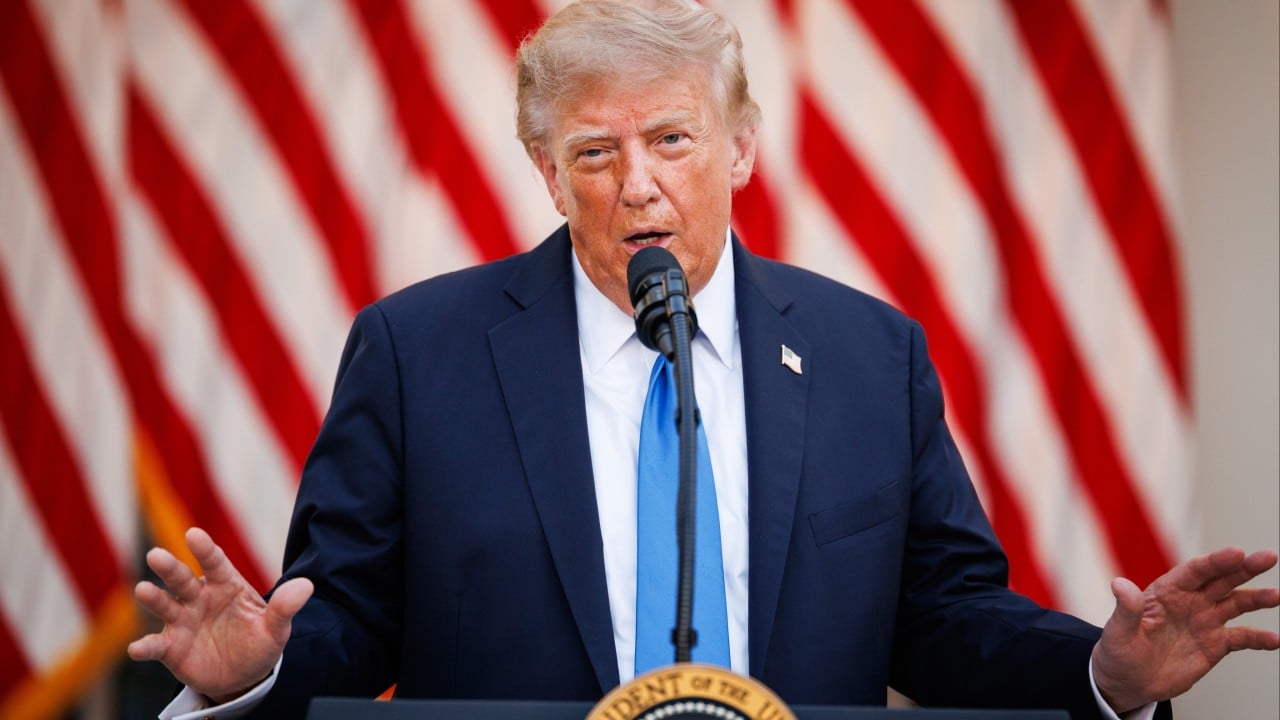
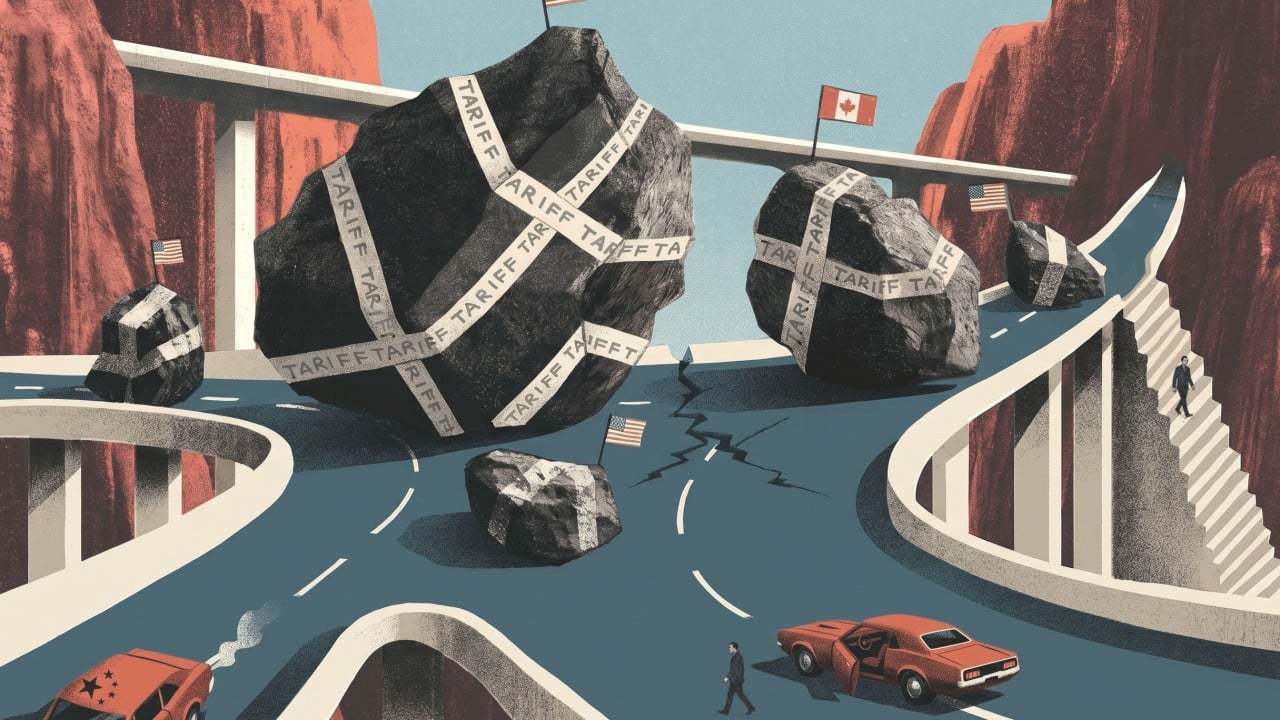
President Donald Trump's recent visit to China has been hailed as a significant diplomatic and economic success, marking a new chapter in Sino-US relations. The agreements reached, particularly the massive order for 200 Boeing aircraft, underscore the substantial economic ties between the two global powers. Beyond immediate commercial gains, the establishment of joint boards for investment and trade signals a commitment to structured dialogue, potentially mitigating future trade disputes and preventing the kind of unilateral actions, like steep tariffs, that have previously strained the relationship. From China's perspective, this visit, the first by a US president in nine years, represents a crucial acknowledgment of its growing global stature. The consensus to build a "constructive China-US relationship of strategic stability" signifies a mutual recognition of each other as peer powers, a departure from previous dynamics. This strategic alignment is particularly noteworthy given the recent history of escalating tensions. The Chinese leadership, through actions like hosting Trump at Zhongnanhai, demonstrated a commitment to fostering a more stable and predictable relationship, which is vital for regional and global economic health. This visit, therefore, is not just about trade figures but about recalibrating the most important bilateral relationship in the world.
rated his visit a “12 on a scale of one to 10”.
About this summary
Originally published by South China Morning Post. Summarized and contextualized automatically by DistantNews, with a note on how the source frames the story. Not individually reviewed before publishing. How this works.
More Stories

From Our Blog

Countries Without a Free Press: The 2026 List and What It Means for Readers

What Press Freedom Means for the News You Read

News in Translation: What Gets Lost, and How We Keep the Framing

Diaspora Media: How Communities Abroad Follow Home

Traveling Where the Press Is Not Free: How to Read the News There
