


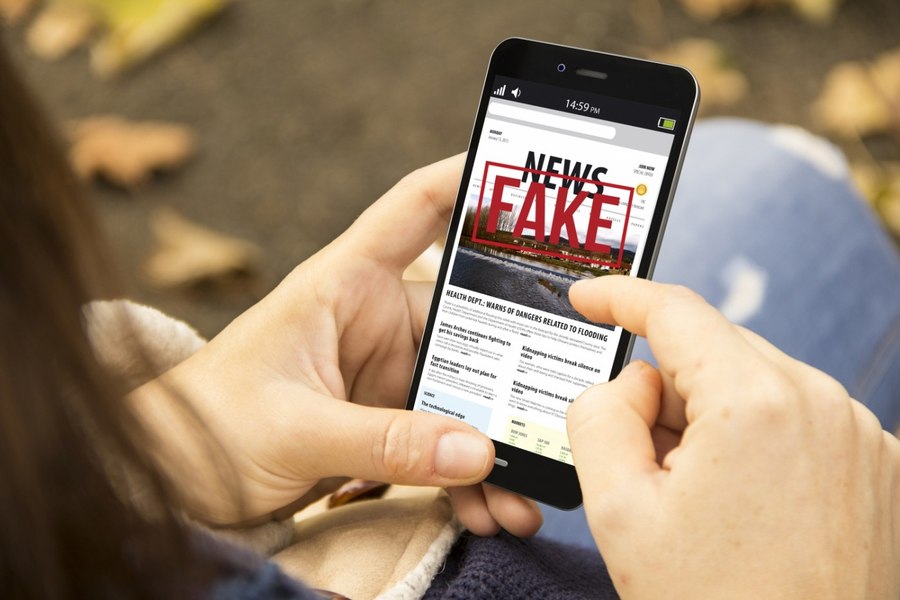
Why We Believe False Information: It's Not Just Liars, It's Indifference
Translated from Romanian, summarized and contextualized by DistantNews.
At a glance
Analysis
Named sources
Context piece
- Researchers found that people are more likely to believe false information when it comes from individuals who are indifferent to the truth, rather than deliberate liars.
- The "illusory truth effect" suggests that repeated exposure to a statement, even if carelessly made, increases its perceived credibility.
- This indifference can reduce skepticism because it lacks clear manipulative intent, making the information seem more natural and easier to accept.
New research suggests that we are not only susceptible to deliberate lies but are also easily swayed by individuals who simply do not care whether they are telling the truth. A study published in the journal Current Psychology distinguishes between outright liars and those who casually spread information without verifying its accuracy.
While a liar knows the truth and actively conceals it, the latter group may utter true or false statements without concern for their veracity. Their motivation is not necessarily to deceive but to convey information they find interesting, convenient, or timely. This indifference, paradoxically, can make them seem less suspicious than a known liar.
Experiments conducted by the researchers demonstrated that participants found statements more credible when attributed to indifferent sources compared to known liars. Furthermore, the mere repetition of these statements enhanced their believability, even after participants were informed about the source's lack of concern for accuracy. This phenomenon is linked to the "illusory truth effect," where familiarity breeds acceptance.
It is a paradox, information 'thrown out randomly' (or said without care for the truth) can become as persuasive as intentional lies, and under some conditions even easier to believe.
Psychologist Luminița Tăbăran explains that repeated statements become more familiar and easier for the brain to process, leading to an unconscious conflation of familiarity with truth. "Information 'thrown out randomly' (or said without care for the truth) can become as persuasive as intentional lies, and under some conditions even easier to believe," she notes. Unlike intentional lies, which can trigger cognitive caution due to perceived manipulative intent, indifference may lower our internal skepticism, allowing information to be accepted more readily.
The distinction is crucial because people tend to look for manipulative intent rather than a simple lack of concern for truth. This research highlights how easily misinformation can spread, not just through malice, but through carelessness and repetition, particularly in the context of social media.
The intentional lie often activates the detection of 'fraud signals': we think about motives, interest, manipulation. This creates a form of cognitive caution ('Are they trying to trick me?'). In contrast, when the source seems indifferent to the truth, there isn't always a clear 'framework' for manipulation. Information spoken naturally tends to be easily accepted. Basically, the lack of an indication of intent can reduce the internal brake of skepticism.
DistantNews Editorial
Originally published by Adevărul in Romanian. Translated, summarized, and contextualized by our editorial team with added local perspective. Read our editorial standards.
More Stories

"God the Mother" - the religious group "hunting" for followers in Romania: "I was put in a bathtub a…

Three spectacular European trails few tourists know: From the "Path of the Gods" to the "Cursed Moun…

Best 18000–24000 BTU Air Conditioners (2026) for Living Rooms – How to Choose Quickly and Beat the H…
From Our Blog

What Gets Lost (and Found) When News Is Translated

The Critical Role of Diaspora Media in Global News

What Travellers Should Know About Countries with Restricted Press

A Digital Nomad's Guide to Following Local News

How the Same Story Looks Different in Different Countries
