

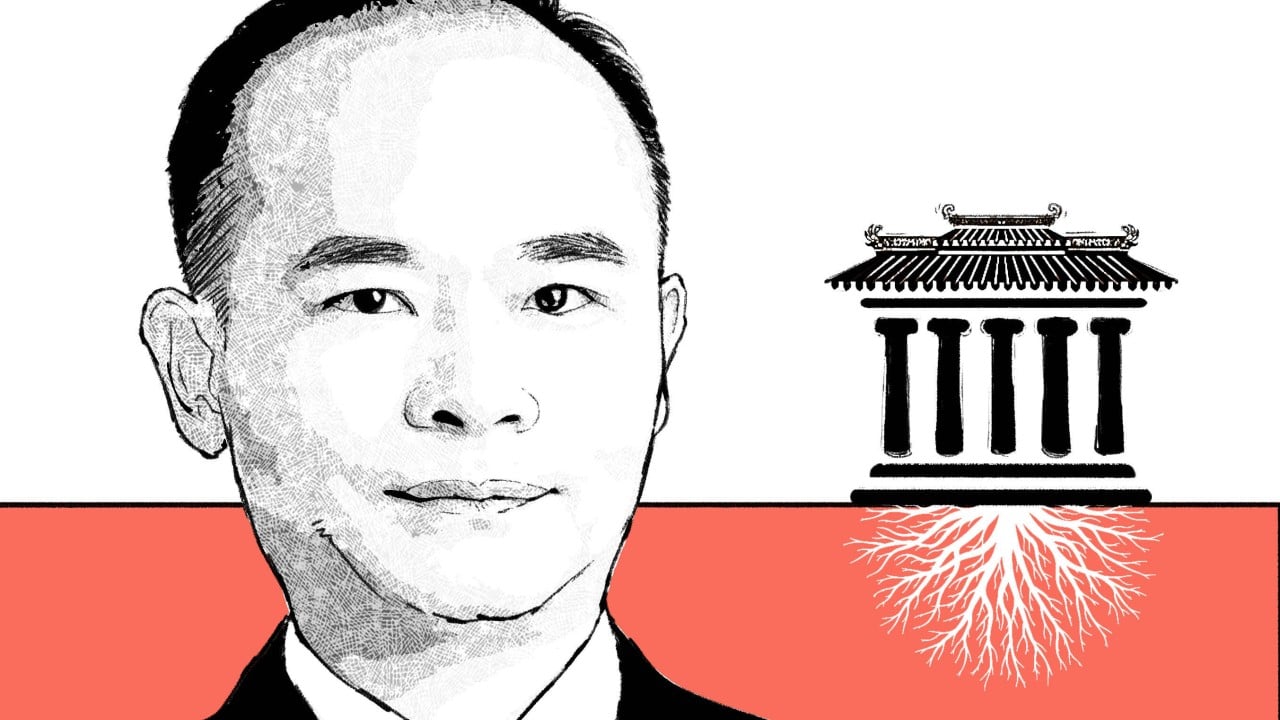
Why West doesn’t understand China, according to ex-Harvard Chinese author
Summarized and contextualized by DistantNews.
At a glance
Analysis
Sources not specified
Context piece
- An economics professor argues Western understanding of China is flawed, advocating for a perspective that integrates formal institutions, grassroots mechanisms, and cultural collectivism.
- Nie Huihua, an economics professor at Renmin University, suggests that comprehending China's development requires moving beyond Western-centric views.
- He proposes an integrated approach that acknowledges the interplay of governance systems, informal practices, and collective culture in China's adaptive model.
Western frameworks fail to grasp China's development, according to Nie Huihua, an economics professor at Renmin University. He argues that an effective understanding necessitates a shift away from Western-centric viewpoints.
Nie, who received economics training at Harvard, suggests that China's governance system is self-consistent and adaptive. This model, he explains, arises from the coupling of formal institutions, informal grassroots mechanisms, and cultural collectivism.
His perspective, shared with SCMP Plus readers in the Open Questions series, emphasizes the need for an integrated view. This approach recognizes the unique interplay of factors that drive China's progress, moving beyond a singular, externally imposed lens.
an effective understanding of China’s development requires a shift from Western-centric frameworks to an integrated perspective that recognises how formal institutions, informal grass-roots mechanisms and cultural collectivism couple together to create a self-consistent and adaptive governance system.
DistantNews Editorial
Originally published by South China Morning Post. Summarized and contextualized by our editorial team with added local perspective. Read our editorial standards.
More Stories


From Our Blog

Countries Without a Free Press: What You Need to Know

What Press Freedom Means for the News You Read

What Gets Lost (and Found) When News Is Translated

The Critical Role of Diaspora Media in Global News

What Travellers Should Know About Countries with Restricted Press
