

Why you shouldn't leave your cell phone exposed to the sun
Translated from Spanish, summarized and contextualized by DistantNews.
At a glance
News
Named sources
Context piece
- Exposing smartphones to prolonged direct sunlight can damage their batteries and other internal components, shortening the device's lifespan.
- Lithium-ion batteries, sensitive to heat, degrade prematurely when devices overheat, leading to performance issues like rapid discharge or overheating during use.
- Manufacturers recommend keeping phones in environments below 35°C and suggest measures like turning off the device, removing the case, and lowering screen brightness to cool them down.
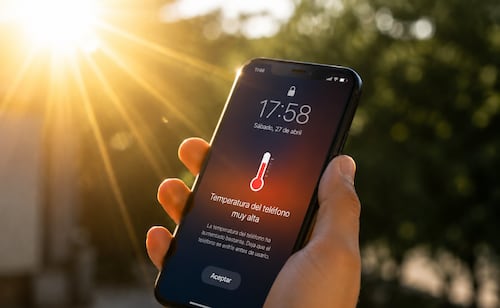
Leaving your smartphone exposed to direct sunlight, especially during summer, can significantly harm its internal components and reduce its overall lifespan. Experts highlight that the lithium-ion batteries powering most devices are particularly sensitive to heat.
Prolonged exposure to high temperatures causes these batteries to degrade prematurely. This degradation can manifest as performance issues, such as the phone overheating even during simple tasks or its battery draining much faster than usual. Beyond the battery, extreme heat can also damage other critical elements like the screen, processor, and memory chips.
When your device remains quite a long time under the sun or near any source of energy or electricity, that component wears out prematurely.
Manufacturers like Samsung and Huawei advise that smartphones are generally designed to operate optimally in temperatures not exceeding 35°C (95°F). Leaving devices in hot environments, such as inside a car on a sunny day or directly under the sun's rays, is therefore considered incorrect and potentially dangerous. Using a phone that has been exposed to extreme heat will exacerbate the overheating problem, particularly when running demanding applications like games or streaming services.
To mitigate overheating, several cooling measures can be employed. These include turning off the phone to allow it to cool down safely, removing any protective case to improve ventilation, and reducing screen brightness. Disabling features like Bluetooth and Wi-Fi can also decrease the phone's workload. If available, placing the device near a fan or air conditioner can help, but it is crucial to avoid putting the phone in a refrigerator, as the sudden temperature change could cause damage.
smartphones are designed to withstand temperatures no greater than 35 ºC
DistantNews Editorial
Originally published by El Universal in Spanish. Translated, summarized, and contextualized by our editorial team with added local perspective. Read our editorial standards.
More Stories


From Our Blog

What Press Freedom Means for the News You Read

What Gets Lost (and Found) When News Is Translated

The Critical Role of Diaspora Media in Global News

What Travellers Should Know About Countries with Restricted Press

A Digital Nomad's Guide to Following Local News
