

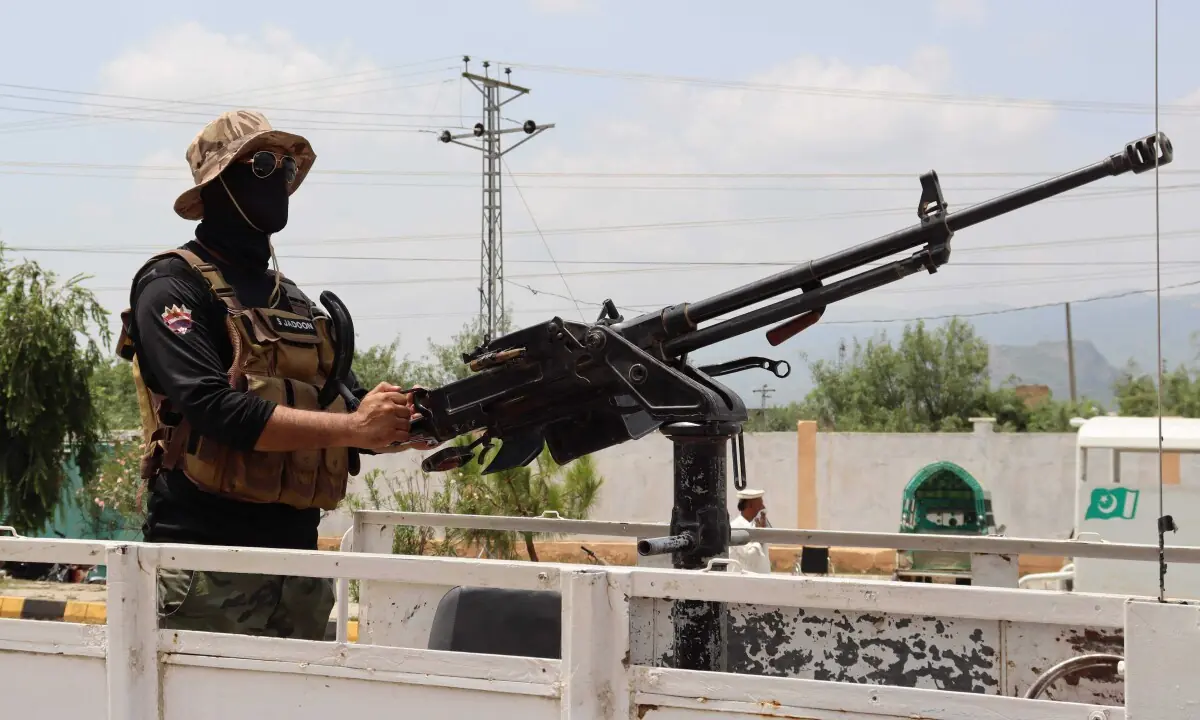

Widening cost of conflict
Summarized and contextualized by DistantNews.
At a glance
News
Sources not specified
Ongoing story
- A fragile ceasefire between the US and Iran, announced June 14, brought temporary relief to Asian economies dependent on Gulf oil.
- However, hostilities resumed last month, drawing in regional countries and militias, expanding the conflict beyond its initial scope.
- The widened conflict is impacting global growth forecasts, oil market volatility, and energy security worldwide, according to international institutions.
The brief respite offered by a June 14 memorandum of understanding between the US and Iran, intended to end the conflict within sixty days, has evaporated. Asian economies, heavily reliant on Gulf oil, had breathed a sigh of relief as the Strait of Hormuz showed signs of reopening and oil prices retreated from crisis peaks. The damage to growth, household budgets, and government finances across Asia appeared contained, fostering hopes for lasting peace.
However, barely a month into the ceasefire, fresh hostilities erupted. Despite ongoing mediation efforts by Pakistan and others to return both sides to the MoU framework, the war has not ceased. The conflict has since expanded significantly, pulling in other regional countries and armed militias, transforming it from a bilateral issue into a broader regional conflagration.
The spillover effects are now global. The conflict has extended to the Red Sea, with Yemen's Iran-backed Houthis targeting Saudi-flagged ships, and the Caspian Sea, where Ukraine reportedly struck vessels carrying Iranian-linked military cargo. Saudi Arabia has also formed a 14-nation Multinational Maritime Defence Alliance to protect critical waterways, further complicating the security landscape.
International institutions are no longer viewing this as a contained regional problem. The International Monetary Fund has downgraded global growth forecasts, citing geopolitical uncertainty and inflation risks. The World Bank and the Organisation for Economic Cooperation and Development report similar economic softness globally. The International Energy Agency warns that oil market volatility tied to the war is undermining energy security and investment planning worldwide, illustrating the conflict's drag on the global economy through energy transmission channels.
DistantNews Editorial
Originally published by Dawn. Summarized and contextualized by our editorial team with added local perspective. Read our editorial standards.
More Stories
From Our Blog

What Gets Lost (and Found) When News Is Translated

The Critical Role of Diaspora Media in Global News

What Travellers Should Know About Countries with Restricted Press

A Digital Nomad's Guide to Following Local News

How the Same Story Looks Different in Different Countries
