

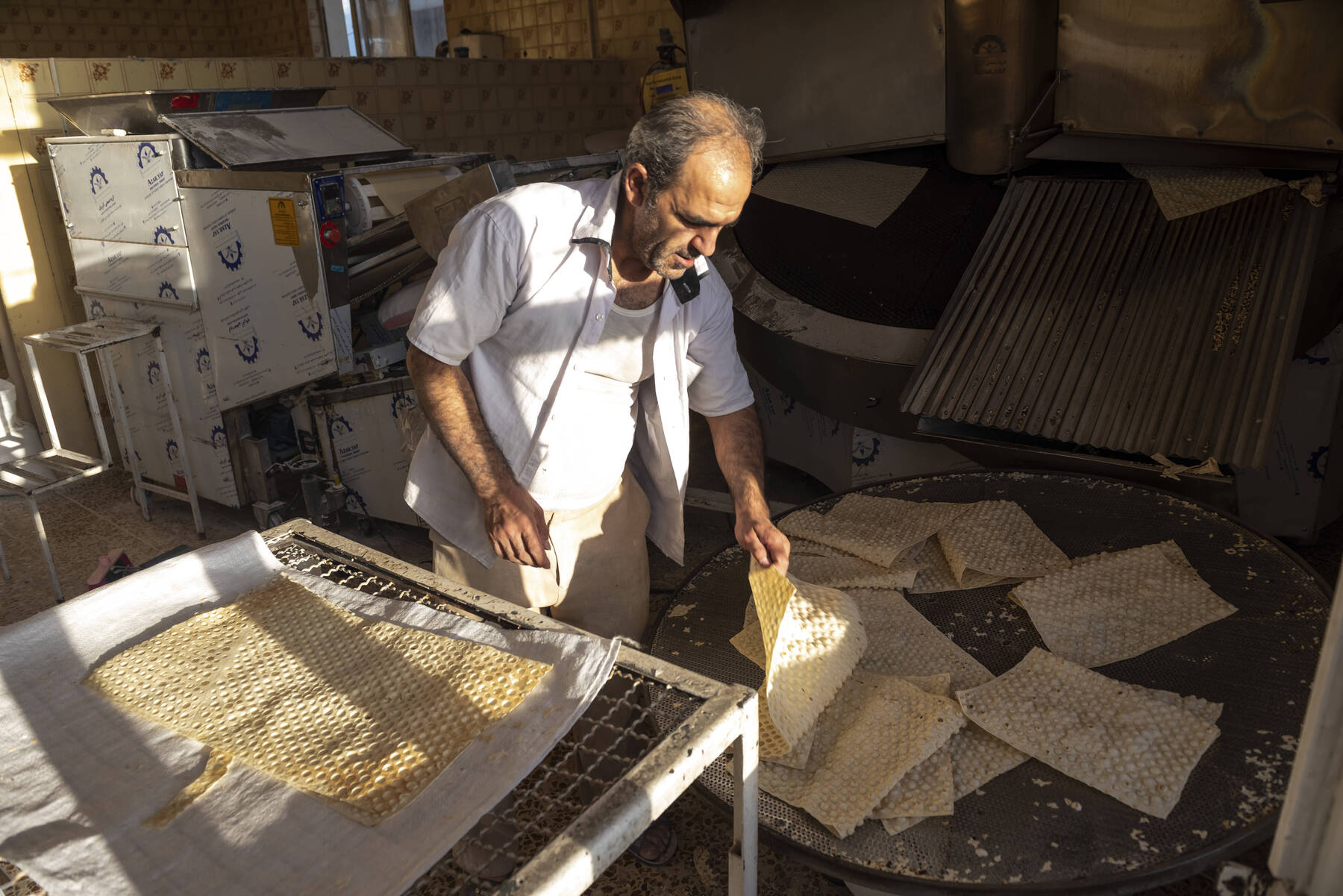

Wifo Chief Felbermayr: 'My Greatest Concern is the Food Supply'
Translated from German, summarized and contextualized by DistantNews.
At a glance
News
Sources not specified
Context piece
- The head of the Wifo economic institute warns that the food supply is his greatest concern amid ongoing global crises.
- He notes that while oil prices may not exceed previous peaks, the world economy faces significant dependencies and new vulnerabilities.
- Europe is criticized for being too naive about these dependencies, which have shifted rather than decreased since the COVID-19 pandemic.
Gabriel Felbermayr, head of the Wifo economic institute, identifies the global food supply as his primary concern, expressing worry about its stability amidst escalating international tensions. He acknowledges that while the immediate impact on oil prices might be less severe than initial shocks, the underlying global economic dependencies remain a critical vulnerability.
My greatest concern is the food supply.
Felbermayr suggests that the world economy is deeply intertwined, a situation that has developed over decades due to financial incentives. He points out that these dependencies have not diminished since the COVID-19 pandemic but have instead shifted. For instance, Europe's reliance has moved from Russian pipeline gas to U.S. liquefied natural gas, highlighting a complex web of new interconnections.
The expert criticizes Europe's past naivete in observing these growing dependencies. He notes that overcoming these challenges is proving more difficult than anticipated, with new dependencies emerging, such as the rapid integration of AI models into daily work. The refinement of rare earth elements in Europe, for example, faces hurdles due to protected patents held by non-European companies.
The actors USA and Iran had an unspoken interest in letting oil pass and preventing a price of 200 US dollars per barrel.
Reflecting on the recent Iran-related peace talks and the continued restrictions in the Strait of Hormuz, Felbermayr anticipates that while the price shock might not reach the extreme levels of the first wave, the inflationary pressure is returning. He suggests that unofficial channels, like "shadow fleets," may have facilitated oil passage previously, and a similar dynamic could help stabilize prices again. However, the depletion of global oil reserves and the inability to replenish them fully present a significant risk.
Yes, one can say that. It is, in retrospect, also a cheap and trivial observation.
DistantNews Editorial
Originally published by Die Presse in German. Translated, summarized, and contextualized by our editorial team with added local perspective. Read our editorial standards.
More Stories


From Our Blog

What Gets Lost (and Found) When News Is Translated

The Critical Role of Diaspora Media in Global News

What Travellers Should Know About Countries with Restricted Press

A Digital Nomad's Guide to Following Local News

How the Same Story Looks Different in Different Countries
