


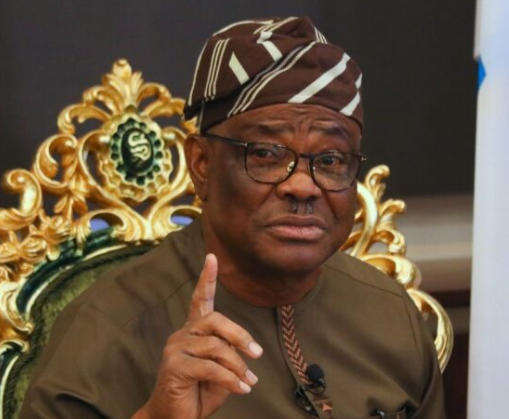
Wike begins demolition of buildings blocking waterways in Maitama
Summarized and contextualized by DistantNews.
At a glance
News
Sources not specified
Ongoing story
- Abuja authorities began demolishing buildings in Maitama that obstruct waterways.
- The demolition is part of efforts to restore drainage channels and combat flooding in the capital.
- Minister Nyesom Wike stated that structures on waterways would be removed, regardless of consequences.
The Federal Capital Territory Administration in Abuja has initiated the demolition of buildings that are obstructing waterways in the Maitama district. This enforcement action is a key measure to restore drainage channels and address the persistent issue of flooding within Nigeria's capital city.
The demolition exercise commenced on Tuesday, following a direct order from the Minister of the Federal Capital Territory, Nyesom Wike. He mandated the removal of all structures built on or blocking designated water channels across the FCT. Minister Wike announced that this operation would continue through Saturday, issuing a firm warning that any building found encroaching on waterways would be demolished, stating, "We will demolish all the houses found on the water channels, and heaven will not fall."
The commencement in Maitama marks the first phase of this enforcement operation. Authorities are expected to extend the exercise to other areas of Abuja where buildings and structures have been identified as impediments to natural water flow. The FCT Administration emphasizes that structures built on drainage channels and waterways pose significant risks to effective flood management and undermine the city's urban planning.
The current operation aims to clear these designated water channels of illegal or obstructive constructions, thereby improving the flow of stormwater. This initiative is crucial for enhancing the city's resilience against flooding and ensuring better urban development.
We will demolish all the houses found on the water channels, and heaven will not fall.
DistantNews Editorial
Originally published by Vanguard. Summarized and contextualized by our editorial team with added local perspective. Read our editorial standards.
More Stories


From Our Blog

How the Same Story Looks Different in Different Countries

What Gets Lost (and Found) When News Is Translated

The Critical Role of Diaspora Media in Global News

What Travellers Should Know About Countries with Restricted Press

A Digital Nomad's Guide to Following Local News
