


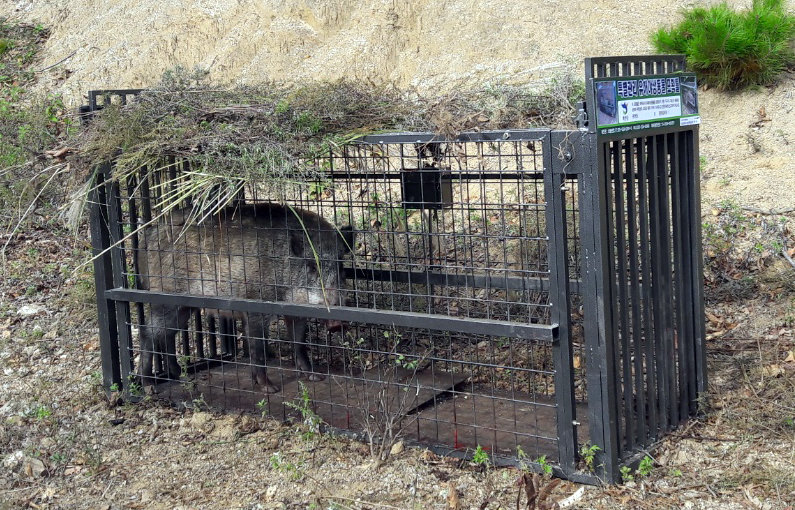
Wild Boar Sightings Prompt Safety Alert at Ewha Womans University
Translated from Korean, summarized and contextualized by DistantNews.
TLDR
- Multiple reports of a wild boar sighting on the Ewha Womans University campus in Seoul have prompted safety measures.
- University officials, in coordination with local authorities, conducted searches and deployed deterrents, but the animal was not found.
- Students have been advised to exercise caution, avoid isolated areas at night, and report any sightings immediately.
A sense of unease has settled over the Ewha Womans University campus in Seoul following a series of reported wild boar sightings. The university administration has responded swiftly, initiating searches and implementing safety protocols in collaboration with the Seodaemun-gu district office. While the elusive animal has so far evaded capture, the repeated reports have put students and staff on alert.
In response to the sightings, which first emerged on April 19th, the university has taken proactive steps. These include deploying wildlife repellents across campus areas in an effort to deter the boar. Despite these efforts, another sighting was reported on April 22nd, prompting a further search by police and fire services, though the animal's tracks remain undiscovered.
If you see a wild boar, please evacuate to a safe place and report it immediately to the comprehensive situation room.
Ewha Womans University has issued a notice on its website, urging the campus community to remain vigilant. Students are advised to seek safe areas and report any encounters with the wild boar to the central situation room immediately. The notice also recommends avoiding solitary walks on secluded paths after dark and refraining from any actions that might provoke the animal should a sighting occur. This situation, while unusual for a university campus, highlights the ongoing challenges of managing wildlife in urbanizing areas of South Korea.
Please refrain from walking alone on secluded paths at night and avoid provocative actions if you encounter a wild boar.
DistantNews Editorial
Originally published by Dong-A Ilbo in Korean. Translated, summarized, and contextualized by our editorial team with added local perspective. Read our editorial standards.
More Stories



From Our Blog

What Gets Lost (and Found) When News Is Translated

The Critical Role of Diaspora Media in Global News

What Travellers Should Know About Countries with Restricted Press

A Digital Nomad's Guide to Following Local News

How the Same Story Looks Different in Different Countries
