


Wildfires Burn 60% of Bornean Orangutan Habitat
Summarized by DistantNews. Read the original for the full story.
At a glance
News
Documents & data
Ongoing story
- Geopix identified 17,375 hotspots in Bornean orangutan habitat in August, as fires affected 25.8 million hectares, or 60.2% of habitat in Kalimantan.
- The Pongo pygmaeus wurmbii subspecies faced the sharpest increase, with hotspots rising to 13,085 in August from 1,123 in July.
- Geopix called for emergency action in the Muller-Schwaner, Western Schwaner and Seruyan-Sampit habitat areas, while urging prevention and protection elsewhere.
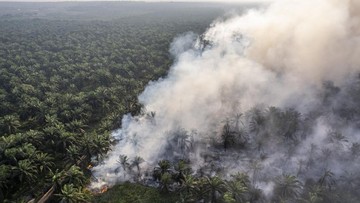
Fires affected more than 25.8 million hectares of Bornean orangutan habitat in Kalimantan between June 1 and August 28, according to an analysis by Geopix. That represents 60.2% of the habitat area covered by the monitoring.
The organization recorded 17,375 hotspots inside orangutan habitat in August. Across Kalimantan, it detected 22,744 hotspots during the monitoring period, with 78.5% located within orangutan habitat, Geopix Senior Wildlife Campaigner Annisa Rahmawati said in a statement.
Out of 22,744 hotspots detected throughout Kalimantan from June 1st to August 28th, 2026, 17,865 hotspots, or 78.5 percent, were located within the orangutan habitat area.
Geopix combined official government hotspot data with habitat maps for all three Bornean orangutan subspecies: Pongo pygmaeus pygmaeus, P. p. wurmbii and P. p. morio. The P. p. wurmbii habitat suffered the sharpest increase, with hotspots jumping to 13,085 in August from 1,123 in July. The figures for P. p. morio rose to 709 from 195, while P. p. pygmaeus recorded 716, up from 91.
The fires not only pose a threat to forest cover, but also have the potential to disrupt food sources, nesting trees, habitat connectivity, and the sustainability of the Bornean orangutan population.
Rahmawati said the fires threatened more than forest cover. They could also disrupt food supplies, nesting trees, habitat connections and the long-term survival of orangutan populations. Geopix identified Muller-Schwaner, Western Schwaner and Seruyan-Sampit as critical areas where small populations face high fire risks and emergency responses are needed.
Belayan-Senyiur, Beratus and Sabangau face relatively lower threats and should be monitored and restored, the organization said. The Rungan River, Katingan and Gunung Palung remain important habitats requiring fire prevention and protection. Geopix has not yet mapped habitat pockets where large orangutan populations face high numbers of fire hotspots, but Rahmawati warned that continued increases would create the worst-case scenario for populations still living in those areas.
But this is the worst-case scenario if hotspots continue to increase extremely in areas with remaining orangutan populations.
About this summary
Originally published by Tempo. Summarized and contextualized automatically by DistantNews, with a note on how the source frames the story. Not individually reviewed before publishing. How this works.
More Stories

From Our Blog

News in Translation: What Gets Lost, and How We Keep the Framing

Diaspora Media: How Communities Abroad Follow Home

Traveling Where the Press Is Not Free: How to Read the News There

The Digital Nomad's Guide to Local News

The Same Story, Different Countries: How Coverage Changes at the Border
