

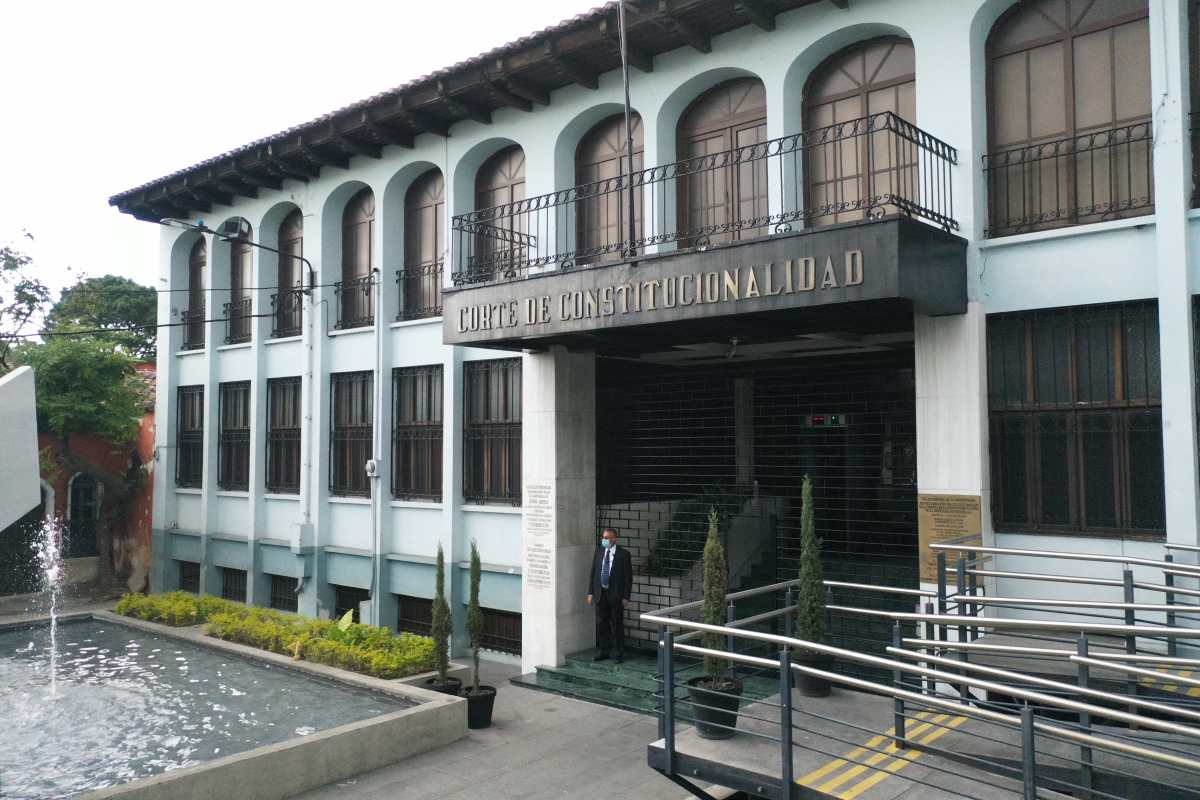
Will Cuba's Castrist regime collapse?
Translated from Spanish and summarized by DistantNews. Read the original for the full story.
At a glance
Analysis
Sources not specified
Context piece
- The Trump administration has increased pressure on Cuba's government, with the Justice Department accusing former leader Raúl Castro of involvement in the downing of two civilian planes.
- The article questions the viability of a popular uprising leading to change, noting that past protests have been suppressed and opposition leaders lack coordination.
- Economic collapse is deemed inevitable without external support, potentially paving the way for new leadership or negotiated reforms, similar to the post-Soviet era's glasnost and perestroika.
The Trump administration has intensified its pressure on Cuba's regime, marked by a recent U.S. Justice Department accusation against former leader Raúl Castro, 94, for his alleged role in the 1996 downing of two civilian planes, which resulted in four deaths, including three American citizens. This action, taken on May 20, the anniversary of Cuba's independence, follows other measures aimed at isolating the government. The day after the accusation, immigration officials in Miami arrested the sister of Brigadier General Ania Guillermina Lastres, who heads the Gaesa conglomerate, a business group founded by Raúl Castro that controls a significant portion of the Cuban economy through luxury hotels, currency exchanges, and gas stations.
The government of Donald Trump put pressure on the Cuban regime.
Donald Trump has signaled Cuba as a potential target following actions in Venezuela and Iran, aligning with a revived Monroe Doctrine that seeks to bring Cuba and Venezuela into U.S. interests. Secretary of State Marco Rubio, whose parents are Cuban migrants, has offered the Cuban people a new relationship with the United States contingent on a regime change. However, the article expresses doubt about the possibility of a popular uprising achieving this transition, citing 67 years of waiting for the fall of the communist regime and the suppression of large-scale protests like those with the slogans "patria y vida" and "Cuba libre." Opposition leaders, such as Manuel Cuesta Morúa and blogger Yoani Sánchez, are noted for their lack of coordination and inability to seize power.
We have been waiting 67 years for the fall of totalitarian communism, and that is why I doubt that a popular uprising will bring about change.
The article suggests that systemic collapse is certain without external aid, contrasting Cuba's current situation with the aftermath of the Soviet Union's fall in 1991. During that period, Cuba faced severe shortages, blackouts, and famine, leading the government to legalize the dollar, open to foreign investment, and permit small family businesses. This era also saw a mass exodus, including the 1994 balsero crisis. The regime was eventually supported by Venezuelan "chavismo" in the early 2000s. Without such a savior, the current economic crisis could foster new political leadership, possibly from within the military, or lead to a negotiated exit. Internal conflicts within the ruling elite might facilitate reforms, economic liberalization, and foreign investment, echoing the glasnost and perestroika reforms that followed the Soviet Union's dissolution.
Systemic collapse is certain without an external savior, and new political leaderships could emerge, perhaps local ones, or within the armed forces, that promote reforms.
About this summary
Originally published by Prensa Libre in Spanish. Translated, summarized, and contextualized automatically by DistantNews, with a note on how the source frames the story. Not individually reviewed before publishing. How this works.
More Stories
From Our Blog

What Gets Lost (and Found) When News Is Translated

The Critical Role of Diaspora Media in Global News

What Travellers Should Know About Countries with Restricted Press

A Digital Nomad's Guide to Following Local News

How the Same Story Looks Different in Different Countries
