

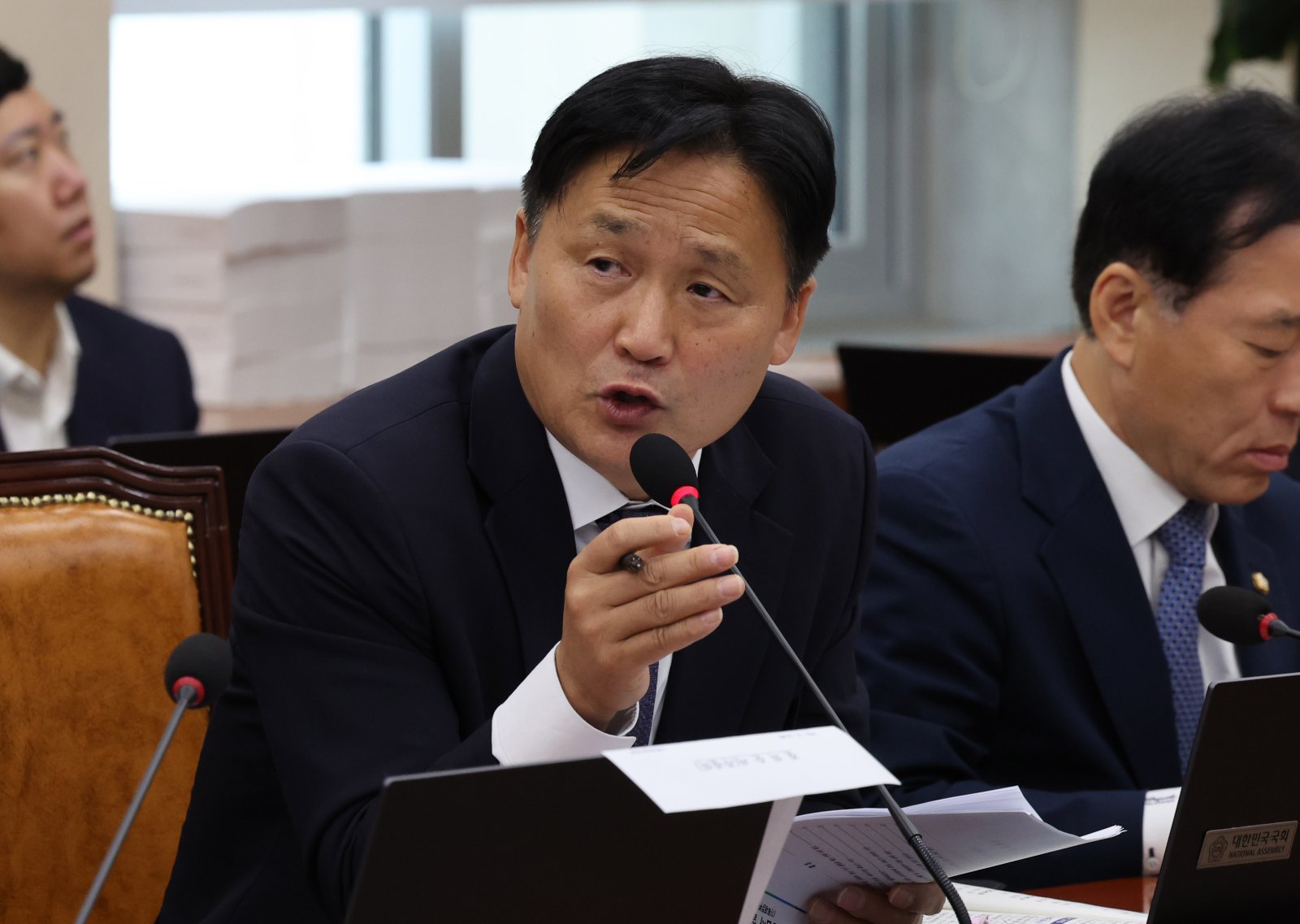

Will KCSC Chairperson Go Gwang-heon Resolve the 'Kim Woo-seok Controversy' and Resignations?
Translated from Korean, summarized and contextualized by DistantNews.
TLDR
- Go Gwang-heon has begun his term as the chairperson of the Korea Communications Standards Commission (KCSC) following presidential approval.
- His immediate challenge is addressing the resignations of two commissioners who oppose the appointment of Kim Woo-seok as a standing committee member due to alleged political bias.
- Go Gwang-heon is set to outline the new KCSC's vision and role, succeeding the controversial Broadcasting and Communications Commission (BCC) under Ryu Hee-rim.
The appointment of Go Gwang-heon as the new chairperson of the Korea Communications Standards Commission (KCSC) marks the beginning of a new chapter for the regulatory body, which has been rebranded from the Broadcasting and Communications Commission (BCC) amidst significant controversy. His tenure commences with an immediate and pressing challenge: resolving the dispute surrounding the appointment of Kim Woo-seok as a standing committee member. Two commissioners have already tendered their resignations in protest, citing concerns over alleged political bias in Kim Woo-seok's selection process.
The appointment of a candidate criticized for leading politically biased reviews during the Ryu Hee-rim era as a standing committee member is problematic in terms of content and process.
This internal conflict threatens to overshadow Go Gwang-heon's initial efforts to establish the KCSC's authority and direction. The previous BCC, under Ryu Hee-rim, was frequently criticized for perceived political leanings in its deliberations, particularly concerning content moderation and disciplinary actions. The current situation, where commissioners are questioning the very integrity of the appointment process for key positions, suggests that the legacy of controversy may continue to haunt the new commission.
From a South Korean perspective, the KCSC plays a crucial role in mediating the complex media landscape, balancing freedom of expression with the need to prevent the spread of misinformation and harmful content. The public's trust in such a body is paramount, and the current discord among commissioners erodes that confidence. The focus on political bias in appointments is a recurring theme in South Korean public discourse, reflecting a deep-seated concern about the politicization of institutions that should ideally operate with impartiality.
The candidate's intervention in the process to favor his own selection is an act that undermines the fairness and procedural legitimacy of the decision, constituting a conflict of interest under the Public Service Ethics Act.
Go Gwang-heon's task is not merely administrative; it is deeply political. He must navigate the demands of different factions within the commission, address the concerns of the dissenting commissioners, and ultimately demonstrate that the KCSC can operate independently and fairly. The way he handles the Kim Woo-seok appointment will set the tone for his leadership and significantly influence public perception of the KCSC's commitment to impartiality. The media, and indeed the public, will be watching closely to see if this new iteration of the commission can break free from the shadows of its predecessor and establish a credible, unbiased presence in South Korean media regulation.
The change in the order of agenda items without the consent of the committee members is a serious procedural issue.
DistantNews Editorial
Originally published by Hankyoreh in Korean. Translated, summarized, and contextualized by our editorial team with added local perspective. Read our editorial standards.
More Stories


From Our Blog

What Gets Lost (and Found) When News Is Translated

The Critical Role of Diaspora Media in Global News

What Travellers Should Know About Countries with Restricted Press

A Digital Nomad's Guide to Following Local News

How the Same Story Looks Different in Different Countries
