

Prominent Opposition Lawmaker Opposes Ally's By-Election Candidacy
Translated from Korean, summarized and contextualized by DistantNews.
TLDR
- A prominent member of South Korea's main opposition party, Kim Young-joo, has voiced opposition to the potential candidacy of Kim Yong, a close aide to party leader Lee Jae-myung, in a by-election.
- Kim Young-joo cited the party's past precedent of not nominating candidates facing final Supreme Court rulings, despite acknowledging the legal proceedings against Kim Yong.
- Kim Yong, who is awaiting a Supreme Court decision on charges related to receiving 600 million won for campaign funds, had previously expressed his intention to run in the by-election.
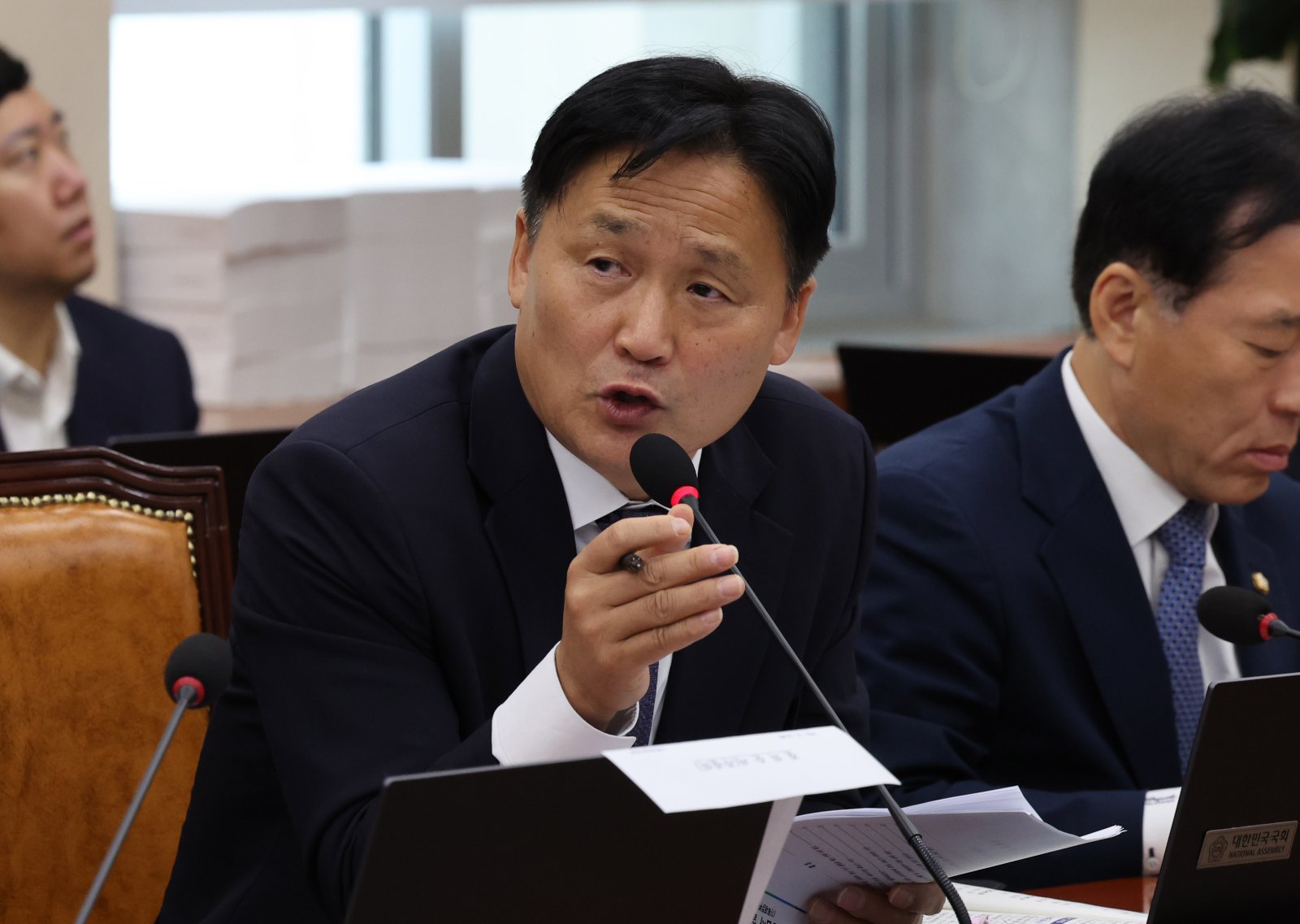
Within the Democratic Party of Korea, a significant internal debate is unfolding regarding the potential candidacy of Kim Yong, a figure closely associated with party leader Lee Jae-myung, in an upcoming by-election. Representative Kim Young-joo, a key member of the pro-Lee faction, has publicly expressed reservations, arguing that any candidate must align with the "people's expectations."
While acknowledging that Kim Yong is currently undergoing legal proceedings, with a Supreme Court ruling pending on charges of receiving 600 million won for campaign funds, Kim Young-joo highlighted a long-standing party tradition. "The Democratic Party has no precedent of nominating candidates who are awaiting a Supreme Court ruling," he stated during a radio interview. This stance suggests a cautious approach, prioritizing public perception and party integrity over loyalty to a close associate.
Kim Yong himself had recently indicated his intention to run in the by-election, setting the stage for a potential conflict within the party. The Democratic Party is reportedly considering appointing lawyer Jeon Tae-jin to the Ulsan Nam-gap constituency, previously held by Rep. Kim Sang-wook, who was strategically nominated as the candidate for Ulsan mayor. This internal deliberation reflects the complex dynamics of candidate selection and the party's efforts to navigate sensitive political and legal challenges.
From a South Korean perspective, this situation is emblematic of the delicate balance political parties must strike between internal party solidarity and public accountability. The emphasis on "people's expectations" and adherence to precedent, even when it involves close allies, is a recurring theme in Korean politics. The media's scrutiny of such decisions underscores the public's demand for ethical conduct and transparency from elected officials and candidates, especially those closely linked to party leadership.
DistantNews Editorial
Originally published by Dong-A Ilbo in Korean. Translated, summarized, and contextualized by our editorial team with added local perspective. Read our editorial standards.
More Stories


From Our Blog

What Gets Lost (and Found) When News Is Translated

The Critical Role of Diaspora Media in Global News

What Travellers Should Know About Countries with Restricted Press

A Digital Nomad's Guide to Following Local News

How the Same Story Looks Different in Different Countries
