


Will or Drift? Turkey's Parliament Approves Controversial 'Solution Process' Law Under Pressure
Translated from Turkish, summarized and contextualized by DistantNews.
At a glance
Analysis
Sources not specified
Approved/passed
- Turkey's parliament passed a conditional "framework law" for a "solution process" aimed at reintegrating PKK members into society, two years after its initiation.
- The law, titled "National Solidarity and Social Cohesion Strengthening Law," was passed under pressure, with the opposition forced to vote "yes" to avoid being labeled as anti-peace.
- Critics argue this new model of legislation, where a "state project" is dictated and then forced through parliament, harms democracy and creates uncertainty.
Turkey's parliament has passed a new law intended to facilitate the reintegration of individuals associated with the PKK into society, marking a significant development in the country's long-standing "solution process." The legislation, officially named the "National Solidarity and Social Cohesion Strengthening Law," was enacted after intense debate and a conditional approval on August 10, 2026. This move is seen by proponents as a crucial first step in bringing PKK members back into the societal fold, aligning with the government's "state project" objectives.
The legislative process was reportedly marked by significant political pressure, designed to corner the opposition into supporting the bill. The government framed the vote as a referendum on peace and brotherhood, making it difficult for opposing parties to vote "no" without facing public criticism. Those who prepared to vote against the bill were allegedly targeted for being labeled as opponents of peace, unwilling to end terrorism, or against the "mothers will not cry" sentiment. This tactic forced the opposition to vote "yes" institutionally, a situation the author likens to previous controversial votes on security-related mandates, immunity removals, and constitutional amendments.
The author criticizes this legislative model, where a proposal is first declared a "state project" and then parliamentary approval is coerced through pressure from the presidency. This "Turkish model," as it is termed, is seen as detrimental to democratic processes and has a history of inflicting lasting damage on the country's democracy through unhealthy, pressure-driven parliamentary votes. The article also points to the "ambiguity law" aspect, highlighting the uncertain implications of such legislation.
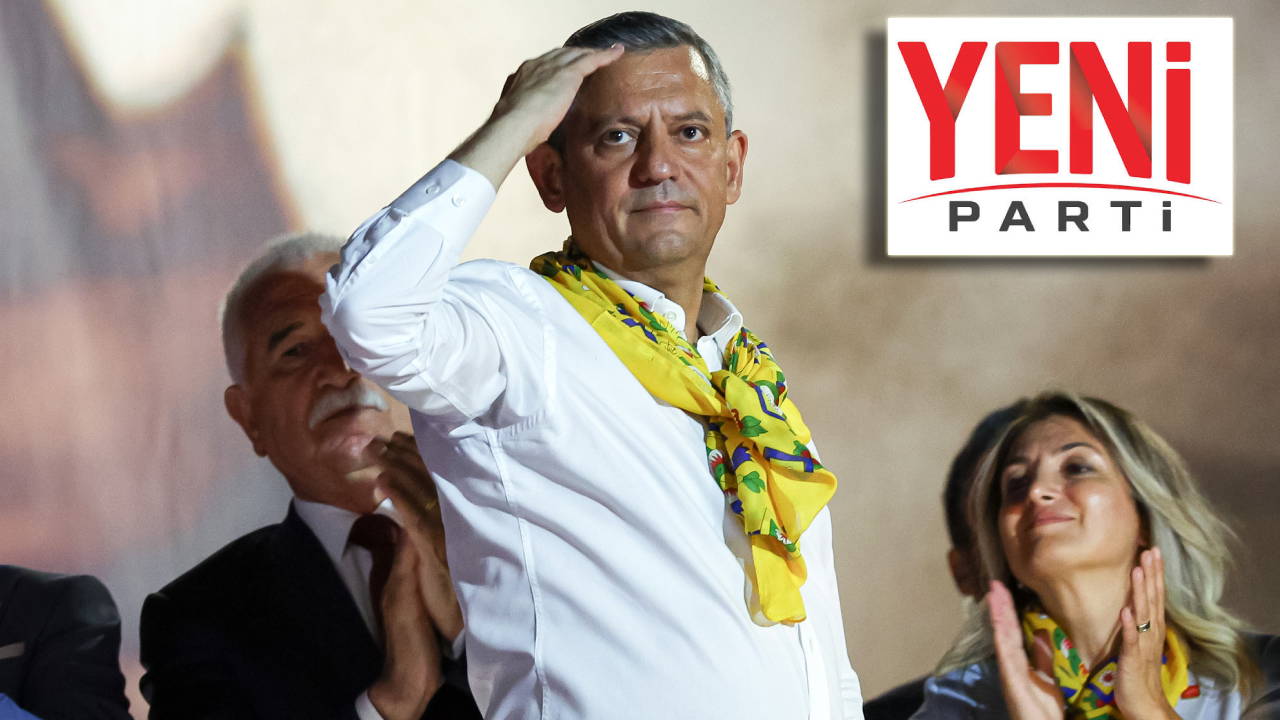
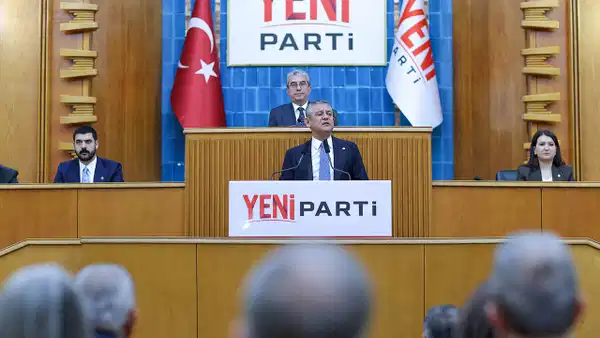
Particular attention is given to the stance of the NEW Party during the debates. The speech delivered by its leader, Özgür Özel, on the bill has drawn criticism for its perceived indecisiveness. The author expresses concern that this ambivalent position, which created deep disappointment, will likely be a recurring point of contention in future discussions as the process unfolds. Özel's statement indicated a willingness for his party to vote "yes" while acknowledging that individual lawmakers might follow the will of their constituents.
DistantNews Editorial
Originally published by Cumhuriyet in Turkish. Translated, summarized, and contextualized by our editorial team with added local perspective. Read our editorial standards.
More Stories

From Our Blog

What Gets Lost (and Found) When News Is Translated

The Critical Role of Diaspora Media in Global News

What Travellers Should Know About Countries with Restricted Press

A Digital Nomad's Guide to Following Local News

How the Same Story Looks Different in Different Countries
