

Wind of Change in Sofia: The Movement Threatening the Old Political Class
Translated from Romanian, summarized and contextualized by DistantNews.
TLDR
- Bulgaria is holding its eighth parliamentary election in five years on Sunday, April 19.
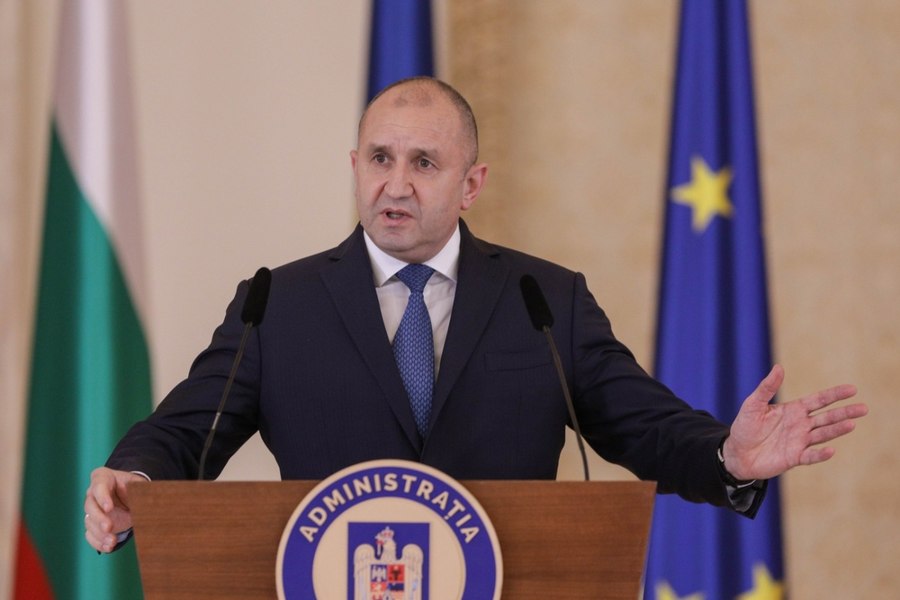
- Former President Rumen Radev is the frontrunner, leading an alliance called "Progressive Bulgaria" with an estimated 32.1% of voter intentions.
- The elections follow a period of chronic political instability and short-lived governments, with Radev's platform focusing on anti-oligarchy measures and pro-business policies.
Sofia is abuzz with anticipation as Bulgaria prepares for its eighth parliamentary election in just five years this Sunday, April 19. The nation, weary of chronic political instability and ephemeral governments, looks to the ballot box with a mix of hope and apprehension. Leading the charge is former President Rumen Radev, whose alliance, "Progressive Bulgaria," is poised to secure a significant victory, according to recent polls placing them at 32.1% of voter intentions.
This election is particularly significant as it pits Radev's anti-establishment platform against the established political forces. His campaign, centered on a powerful message of fighting oligarchy and promoting a pro-business agenda with "energy pragmatism," resonates deeply with a populace yearning for change. The potential for Radev's alliance to form a stable government could mark a turning point, steering Bulgaria away from its recent history of political turmoil.
The political landscape is complex, with traditional parties like GERB and the reformist "We Continue the Change – Democratic Bulgaria" (PP-DB) vying for influence. However, the rise of Radev's movement suggests a shift in voter sentiment, potentially absorbing populist and sovereigntist support that was once fragmented. The inclusion of the Movement for Rights and Freedoms (DPS), often perceived as an oligarchic party, further highlights the deep-seated issues Bulgaria faces.
From our perspective at Adevărul, this election is more than just a political contest; it's a referendum on the future direction of Bulgaria. While Western media might focus on the geopolitical implications or the democratic process itself, we see the profound local impact of this struggle against entrenched interests. The fight against oligarchy and the promise of a more stable, prosperous future are the narratives that truly capture the Bulgarian spirit and the aspirations of its people.
I think, certainly, five political formations will enter Parliament. First, the Progressive Bulgaria coalition, associated with President Rumen Radev, which is credited with over 30% of the votes. Then, GERB-SDS, the formation led by Boyko Borisov, affiliated with the European People's Party, with an estimated score between 18 and 20%. Next would be the We Continue the Change – Democratic Bulgaria alliance, a reformist, anti-corruption formation, with about 11–12%. There is also DPS – the party traditionally supported by the Turkish minority, but which is also perceived as an oligarchic party, with Delian Peevski as a central figure. The fifth party is most likely Renaissance, a sovereigntist formation. It is not very clear whether the Bulgarian Socialist Party will pass the electoral threshold. Some polls give it over 4%, others below. In general, what is observed is that Rumen Radev manages to absorb part of the populist or sovereigntist electorate, which was previously distributed among several parties.
DistantNews Editorial
Originally published by Adevărul in Romanian. Translated, summarized, and contextualized by our editorial team with added local perspective. Read our editorial standards.
More Stories

From Our Blog

What Gets Lost (and Found) When News Is Translated

The Critical Role of Diaspora Media in Global News

What Travellers Should Know About Countries with Restricted Press

A Digital Nomad's Guide to Following Local News

How the Same Story Looks Different in Different Countries
