

Windshield Wipers: A Century of Little Change
Translated from German, summarized and contextualized by DistantNews.
At a glance
In-depth
Sources not specified
Context piece
- The design of car windshield wipers has seen little fundamental change since their invention over a century ago, despite advancements in automotive technology.
- While modern wipers offer features like automatic activation and integrated water application, their basic function remains the same: rubber blades clearing the windshield.
- Designer Jony Ive reportedly struggled with the concept of significantly improving wiper technology, highlighting its persistent, albeit basic, design.
Despite the rapid evolution of automotive technology, the humble windshield wiper has remained remarkably unchanged since its initial patent in 1903. Even high-profile designers like Jony Ive, known for his work with Apple, have reportedly found the concept of significantly advancing this essential component a challenge.
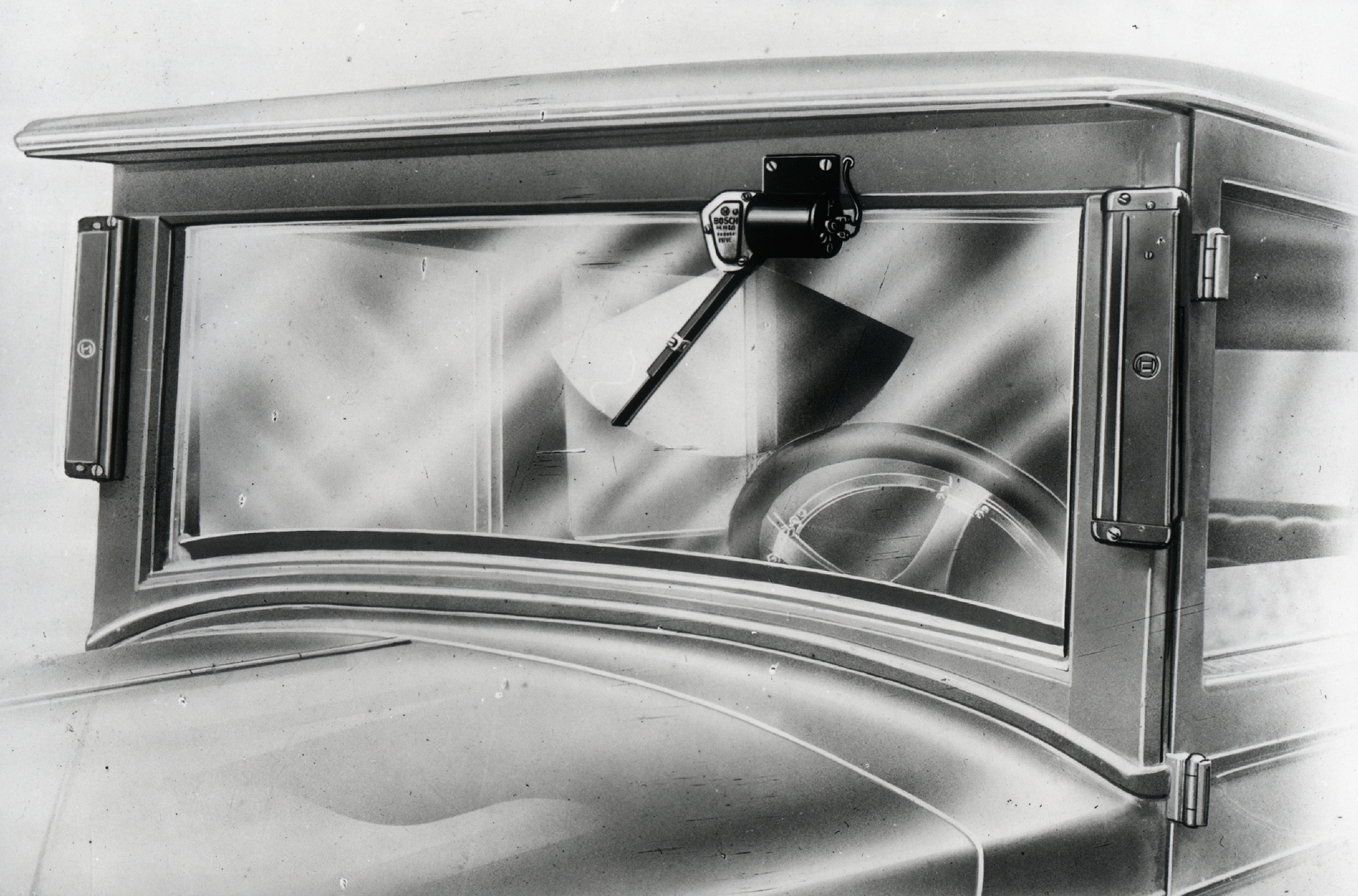
Mary Anderson is credited with the first patent for a windshield wiper, inspired by observing a tram driver struggling with visibility during an ice storm. Her design, operated manually from inside the vehicle, featured a rubber blade on a pivoting arm. While commercial success came later with companies like Robert Bosch, the fundamental principle of a rubber blade clearing the glass has endured.
Modern wipers incorporate features such as aerodynamic shrouding, automatic activation based on rain sensors, variable speeds, and interval settings. Some systems, like Mercedes' "Magic Vision," even integrate water application and removal through the wiper arm. Bosch estimates that wipers clear over 8,500 liters of water and clean 428,000 square meters of glass over their lifespan, typically requiring replacement after around half a million cycles.
However, these enhancements are largely functional refinements rather than a revolution in design. The core mechanism, a rubber lip guided by an arm across the windshield, persists. This enduring simplicity highlights a rare area in automotive design where innovation has plateaued, leaving even acclaimed designers like Ive to grapple with its inherent limitations.
DistantNews Editorial
Originally published by Die Presse in German. Translated, summarized, and contextualized by our editorial team with added local perspective. Read our editorial standards.
More Stories



From Our Blog

What Gets Lost (and Found) When News Is Translated

The Critical Role of Diaspora Media in Global News

What Travellers Should Know About Countries with Restricted Press

A Digital Nomad's Guide to Following Local News

How the Same Story Looks Different in Different Countries
