


Winning Elections by Manu Militari: Is Killing Accord Party Members Self-Defeating?
Translated from English, summarized and contextualized by DistantNews.
At a glance
Analysis
Sources not specified
Context piece
- The article critiques the use of "manu militari," or "by military force," in Nigerian elections, describing it as a dangerous and increasingly adopted technique.
- It highlights the Osun State gubernatorial election as a recent example where violence and alleged manipulation marred the process, questioning the legitimacy of such outcomes.
- The author argues that this forceful approach to winning elections damages Nigeria's international image and undermines democratic principles, even impacting President Bola Ahmed Tinubu's reputation.
The concept of "manu militari," Latin for "by military force," is increasingly being employed in Nigerian and African elections, a trend the author describes as a dangerous departure from democratic norms. This method, which implies compelling outcomes through force, brutality, or armed intervention, has become a prevalent technique for political actors seeking victory, often overshadowing the traditional ballot box process.
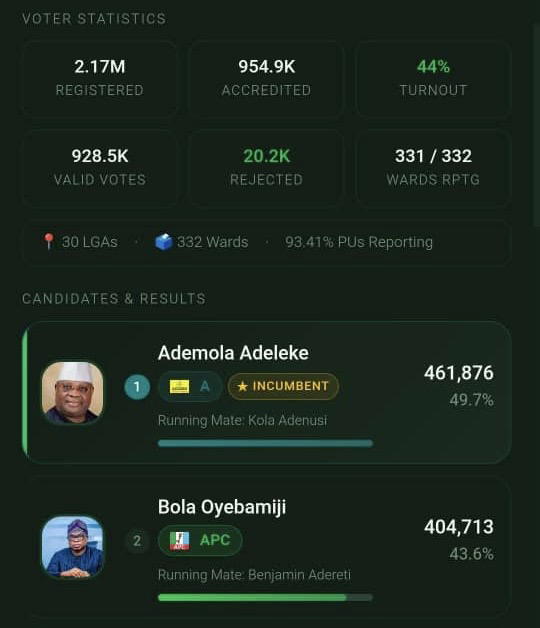
A stark illustration of this phenomenon is the recent Osun State gubernatorial election. The article points to widespread violence and the killing of Accord Party members during political campaigns preceding the election. Such acts raise serious national security concerns and cast a shadow over the electoral process. When "manu militari" tactics lead to controversy, the disputes are often relegated to the courts, causing delays and necessitating costly re-issuances of voting cards, thereby complicating the path to a legitimate electoral outcome.
Beyond overt force, "manu militari" in contemporary Africa manifests in subtler, yet equally damaging ways. These include coups, prolonged stays in power, constitutional maneuvering, the use of state apparatus to oppress opposition, and influencing electoral bodies to neutralize opponents. The author contends that even after gaining power through ostensibly legitimate means, incumbent leaders often struggle to accept defeat or allow for free and fair elections. This ingrained "manu militari" attitude, present in Africa for a long time, suggests a deep-seated belligerence among politicians when vying for power.
The article specifically criticizes Senator Francis Adenigba Fadahunsi's call for the killing of Accord Party members during his campaign. This incident, it argues, not only jeopardizes national security but also significantly tarnishes the essence of President Bola Ahmed Tinubu's "Emi l'okan" (it is my turn) political narrative and damages Nigeria's international standing. The pursuit of victory through "manu militari" is seen as undermining Tinubu's image as a proponent of democracy.
DistantNews Editorial
Originally published by ThisDay in English. Translated, summarized, and contextualized by our editorial team with added local perspective. Read our editorial standards.
More Stories


From Our Blog

How the Same Story Looks Different in Different Countries

What Gets Lost (and Found) When News Is Translated

The Critical Role of Diaspora Media in Global News

What Travellers Should Know About Countries with Restricted Press

A Digital Nomad's Guide to Following Local News
