


WMO Urges Latin America to "Exercise Extreme Caution" as El Niño Nears Return
Translated from Spanish, summarized and contextualized by DistantNews.
At a glance
News
Named sources
Context piece
- The World Meteorological Organization (WMO) urges Latin American countries to "exercise extreme caution" due to the imminent return of El Niño.
- El Niño is expected to return in the second half of the year with a 90% probability and potentially high intensity, bringing risks of intense rains, floods, and droughts.
- WMO Secretary-General Celeste Saulo emphasized the importance of using "climate intelligence" to mitigate adverse effects and advised relying on national meteorological services for accurate information.
Latin America must prepare for the likely return of El Niño, a phenomenon known for its significant impact on the region, according to the World Meteorological Organization (WMO). WMO Secretary-General Celeste Saulo advised countries to "exercise extreme caution" and leverage "climate intelligence" to navigate the upcoming period.
Latin American countries, one of the regions of the world that is usually most affected by El Niño, must "exercise extreme caution" and use "climate intelligence" to overcome the most adverse effects of this phenomenon.
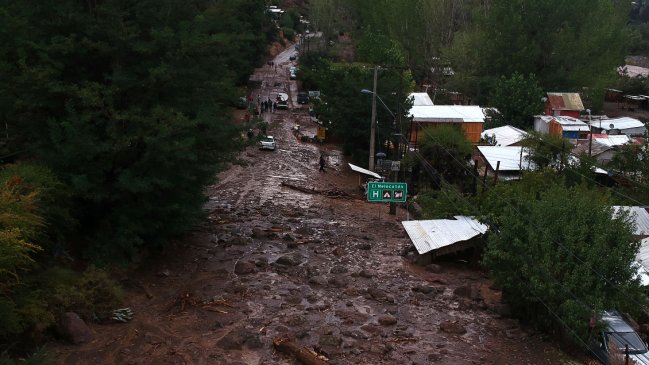
With a 90% probability, El Niño is expected to re-emerge in the latter half of this year, potentially with high intensity. This could lead to a range of severe weather events, including intense rainfall and flooding in some areas, and drought in others. These impacts will directly affect communities and critical sectors like agriculture and fishing.
El Niño Costero generates a series of impacts that we know and that range from increased rainfall and sea warming, which heavily affects the entire fishing industry.
Saulo acknowledged improvements in the region's capacity to monitor and respond to El Niño's consequences. She also noted the complex interplay between El Niño and other climate variables, including climate change, which influences the severity of predicted impacts. The WMO chief detailed potential effects across South and Central America, mentioning the "Niño Costero" phenomenon in Peru and Ecuador, which increases rainfall and sea temperatures, harming the fishing industry. Northern South America, Central America, and northeastern Brazil may face droughts or below-normal rainfall, while the Panama Canal's operations could be affected. Southeastern South America, including southern Brazil, Paraguay, and northern Argentina, could experience above-normal rainfall, increasing flood risks.
Then we have southeastern South America, which would be southern Brazil, Paraguay, northern Argentina, northeastern Argentina, and Uruguay, where above-normal rainfall can be expected, with the consequent risk of floods, severe storms, and landslides.
Amidst potential public anxiety and misinformation, Saulo stressed the importance of trusting official meteorological services. "They are the ultimate responsible parties and the authorized voices" regarding El Niño, she stated. The most recent El Niño episode, from 2023 to 2024, was among the five most intense on record and contributed to global record temperatures. While climate models are still refining predictions for the upcoming El Niño's intensity, Saulo indicated that more clarity would emerge in the coming weeks.
Trust the institutions that are in charge of managing meteorological information and that in each country are their respective national meteorological services. They are the ultimate responsible parties and the authorized voices.
DistantNews Editorial
Originally published by Cooperativa in Spanish. Translated, summarized, and contextualized by our editorial team with added local perspective. Read our editorial standards.
More Stories



From Our Blog

What Gets Lost (and Found) When News Is Translated

The Critical Role of Diaspora Media in Global News

What Travellers Should Know About Countries with Restricted Press

A Digital Nomad's Guide to Following Local News

How the Same Story Looks Different in Different Countries
