


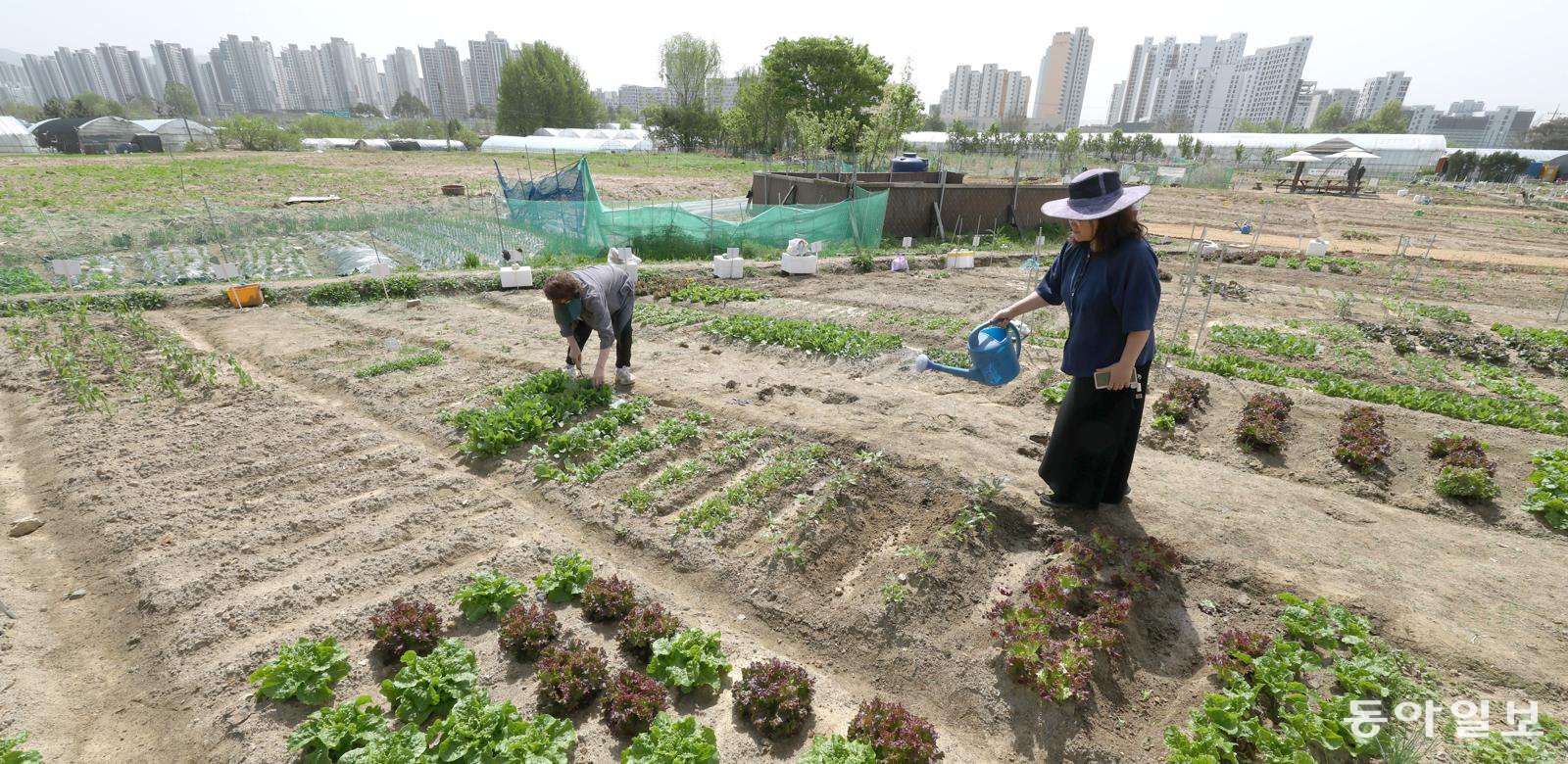
“Won after 3 tries”… Seoul’s ‘Leftover Land’ Urban Gardens See Exploding Popularity
Translated from Korean, summarized and contextualized by DistantNews.
TLDR
- Urban gardens in Seoul are experiencing a surge in popularity, with a 4:1 application-to-lot ratio for available plots.
- Many participants express high satisfaction and a strong intention to reapply for gardening spaces.
- The city is expanding related programs and reviving urban agriculture festivals after a five-year hiatus.
Seoul's "leftover land" urban gardens, or "jaturi tteut" (자투리땅), are blossoming into a major success story, capturing the imagination and dedication of the city's residents. The demand is so high that the application-to-lot ratio has reached an impressive 4:1, with over 95% of participants eager to continue their gardening endeavors. This enthusiasm is not just about cultivating vegetables; it's about fostering community, well-being, and a connection to nature within the bustling metropolis.
Take the case of Jeon Byung-ha, a 69-year-old who finally secured a plot at the Garaeyeoul1 Urban Garden in Gangdong-gu after three attempts. His joy is palpable as he harvests fresh produce, sharing the bounty with neighbors and finding solace and better sleep after a day's work in the garden. His experience is echoed by many who find therapeutic benefits, stress relief, and a profound sense of accomplishment in nurturing their small plots of land. The gardens are transforming underutilized urban spaces into vibrant community hubs.
The city of Seoul is recognizing and amplifying this trend. Beyond simply providing space, initiatives like "cooling fog" systems to combat heatwaves and expanded "Ask Anything Garden Consultation" sessions are being implemented. The role of these gardens as community spaces is growing, with families increasingly participating and local interactions flourishing. This initiative is more than just urban farming; it's about enhancing the quality of life for Seoul's citizens, turning small patches of land into vital green infrastructure.
From a Korean perspective, the success of these urban gardens speaks volumes about our society's evolving relationship with nature and community. In a nation known for its rapid development and dense urban landscapes, these pockets of green offer a much-needed respite and a tangible way to reconnect with the earth. The high satisfaction rates and repeat participation underscore a deep-seated desire for such experiences. Furthermore, the revival of urban agriculture festivals after a pandemic-induced pause signifies a broader cultural shift towards valuing sustainable living and local engagement. These gardens are not just a hobby; they are becoming an integral part of Seoul's urban fabric, contributing to a more resilient and fulfilling urban life.
DistantNews Editorial
Originally published by Dong-A Ilbo in Korean. Translated, summarized, and contextualized by our editorial team with added local perspective. Read our editorial standards.
More Stories


From Our Blog

What Gets Lost (and Found) When News Is Translated

The Critical Role of Diaspora Media in Global News

What Travellers Should Know About Countries with Restricted Press

A Digital Nomad's Guide to Following Local News

How the Same Story Looks Different in Different Countries
