

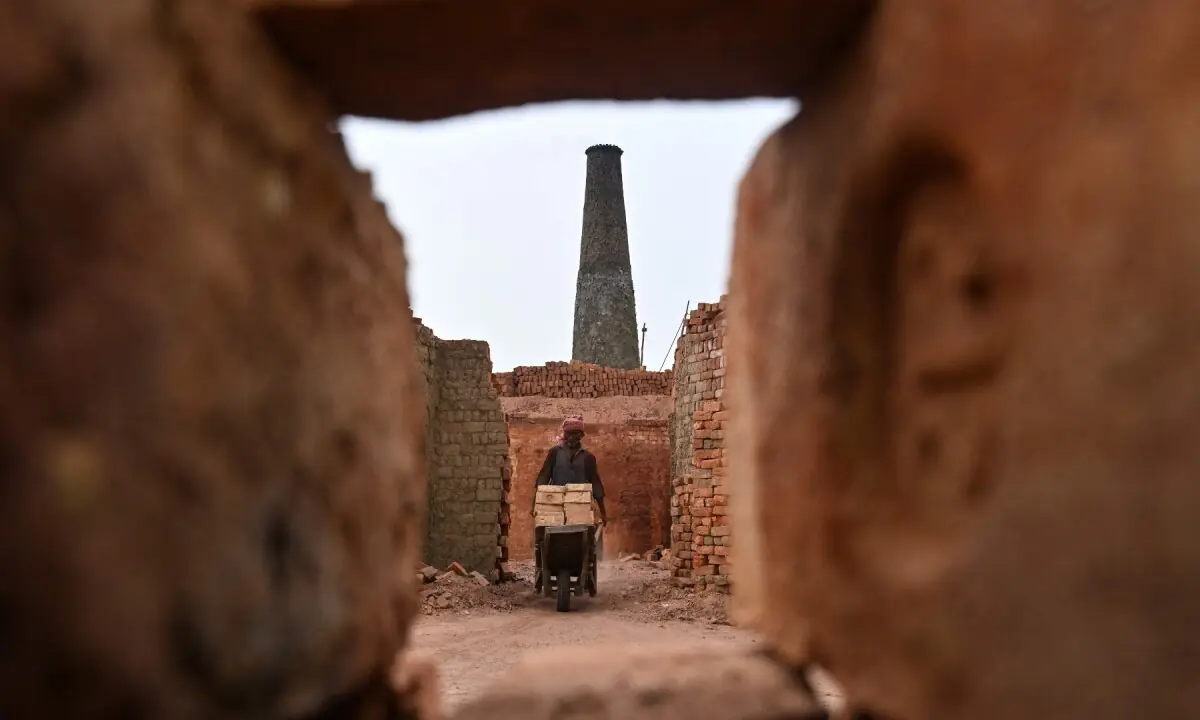
'Work is work, it has to be done': Brickmakers in Pakistan scorched by sun above and fire below
Summarized and contextualized by DistantNews.
At a glance
News
Named sources
Context piece
- Brickmakers in Pakistan face extreme heat from both the sun and traditional kilns burning over 1,000°C.
- Climate change exacerbates these harsh conditions, making summers even hotter in a country already experiencing temperatures above 40°C.
- Workers earn about $3 a day, often trapped in debt cycles and facing deteriorating health due to the dangerous working environment.
Brickmakers in Pakistan endure grueling conditions, working between the intense heat of the sun and the fiery kilns that burn above 1,000 degrees Celsius. These traditional kilns demand constant monitoring, pushing workers to their limits.
The heat is undoubtedly extreme but when you think about the financial pressures at home, you have no option but to keep working.
Climate change is intensifying these already extreme summer temperatures, with Pakistan already accustomed to highs exceeding 40 degrees Celsius. This exacerbates the already unbearable working environment for hundreds of thousands of laborers in the brick-making industry.
"The heat is undoubtedly extreme but when you think about the financial pressures at home, you have no option but to keep working," said Abid Hussain, a 35-year-old laborer covered in soot. Workers like Hussain earn approximately $3 a day, a meager sum that barely covers basic needs, trapping them in cycles of debt and poor health.
I would describe these brick kilns as places of confinement.
Syeda Ghulam Fatima, General Secretary of the Bonded Labour Liberation Front Pakistan, described the kilns as "places of confinement." She noted that workers face relentless heat from above and intense radiation from below. Labor advocates say the industry is poorly regulated and becoming increasingly dangerous as temperatures rise.
Workers endure relentless heat from the blazing sun overhead while the intense heat radiating from the kiln rises beneath them.
While the Punjab provincial government is exploring modern zigzag kiln technology to reduce pollution and hazards, many workers remain bound by advance payments. This debt makes it difficult to refuse work, even in dangerous conditions. "No matter the situation, whether we are ill or there are family matters, we still have to work," Hussain stated. "If I take time off, we'll be in trouble."
No matter the situation, whether we are ill or there are family matters, we still have to work. If I take time off, we'll be in trouble.
DistantNews Editorial
Originally published by Dawn. Summarized and contextualized by our editorial team with added local perspective. Read our editorial standards.
More Stories
From Our Blog

What Gets Lost (and Found) When News Is Translated

The Critical Role of Diaspora Media in Global News

What Travellers Should Know About Countries with Restricted Press

A Digital Nomad's Guide to Following Local News

How the Same Story Looks Different in Different Countries
