


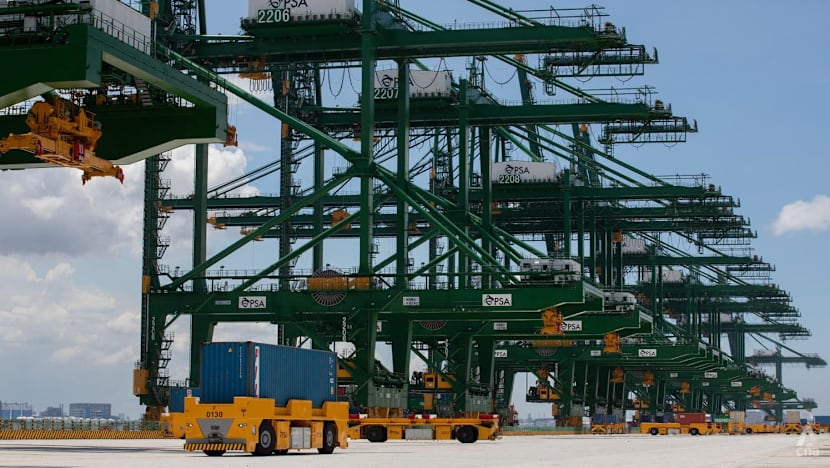
Workers' Party MPs question Singapore's focus on mega transport projects
Translated from English, summarized and contextualized by DistantNews.
At a glance
News
Sources not specified
Context piece
- Workers' Party MPs have voiced concerns about Singapore's heavy investment in large-scale transport projects.
- During a parliamentary debate, they questioned the expansion plans for the country's port and airport.
- The MPs also raised issues regarding the 2016 sale of Neptune Orient Lines and the progress of autonomous vehicle development.
Members of Parliament from the Workers' Party have cautioned against an overemphasis on massive transport infrastructure projects, urging a more balanced approach to national development. During a recent parliamentary debate on the future of transportation, the MPs scrutinized Singapore's ambitious expansion plans for its port and airport facilities. They questioned whether these large-scale endeavors represent the most prudent use of resources and align with the nation's long-term strategic goals.
Further concerns were raised regarding past decisions, specifically the 2016 sale of Neptune Orient Lines, a significant national asset. The MPs sought clarity on the rationale behind the sale and its subsequent impact on Singapore's maritime capabilities. Additionally, the pace of the country's rollout of autonomous vehicle technology came under scrutiny, with questions about the current progress and future timelines for integrating self-driving systems into the transport network.
The debate highlighted a desire among some parliamentarians for a more critical evaluation of major infrastructure investments, suggesting a need for greater transparency and a thorough assessment of their economic and strategic implications. The Workers' Party MPs emphasized the importance of considering alternative strategies and ensuring that all transport initiatives are aligned with sustainable growth and national interests.
DistantNews Editorial
Originally published by CNA in English. Translated, summarized, and contextualized by our editorial team with added local perspective. Read our editorial standards.
More Stories



From Our Blog

What Gets Lost (and Found) When News Is Translated

The Critical Role of Diaspora Media in Global News

What Travellers Should Know About Countries with Restricted Press

A Digital Nomad's Guide to Following Local News

How the Same Story Looks Different in Different Countries
