

World Cup 2026: FIFA to evaluate controversial hydration breaks after criticism
Translated from Spanish, summarized and contextualized by DistantNews.
At a glance
News
Named sources
Context piece
- FIFA will evaluate the controversial mandatory hydration breaks used in the 2026 World Cup after receiving criticism.
- Arsene Wenger, FIFA's Director of Global Football Development, acknowledged that the breaks were not universally popular.
- The breaks, implemented every half regardless of weather, were intended for player welfare but also drew criticism for potentially increasing advertising revenue.
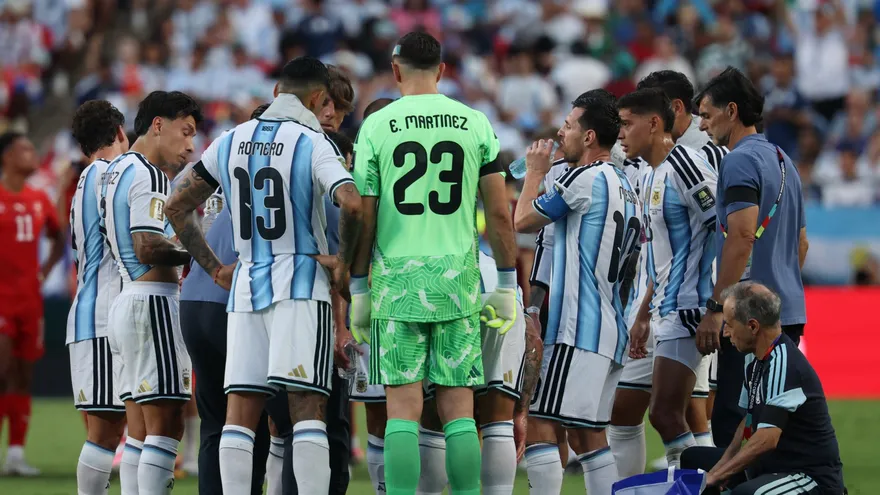
FIFA is set to evaluate the mandatory hydration breaks that were implemented during the 2026 World Cup, following a mixed reception and criticism. Arsene Wenger, FIFA's Director of Global Football Development, acknowledged that the measure was not universally accepted and that the organization will analyze its impact after the tournament.
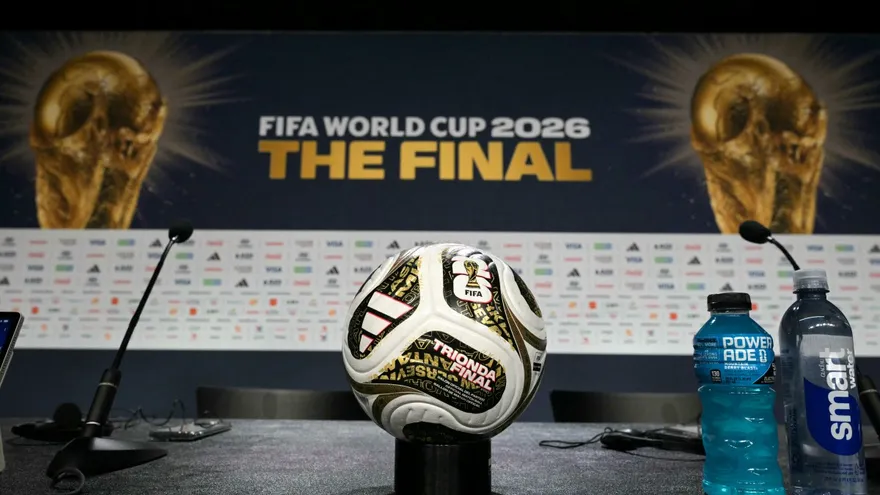
"Sometimes people didn't like them, and we have to analyze, after the World Cup, what their impact was," Wenger stated during a press conference ahead of the final match. For the 2026 World Cup, FIFA introduced three-minute hydration breaks at halftime of each half in all matches, irrespective of weather conditions, even in stadiums with roofs or during moderate temperatures. The organization justified this as a measure to protect player well-being.
Sometimes people didn't like them, and we have to analyze, after the World Cup, what their impact was.
However, some critics viewed these interruptions as an opportunity to increase advertising revenue. "It didn't seem to me that they changed the results, but we are here to serve the people who watch football and we will draw conclusions afterwards," Wenger added. He noted that in many matches, particularly those in covered stadiums, the breaks were unpopular, despite being decided upon before the tournament's commencement.
It didn't seem to me that they changed the results, but we are here to serve the people who watch football and we will draw conclusions afterwards.
Earlier in the championship, Spain's coach, Luis de la Fuente, had defended the hydration breaks, emphasizing their importance for player safety in a tournament often played in high temperatures. "It is difficult to sustain that level of physical effort for long periods, and I think these breaks offer a brief respite to recover and continue competing at the highest level," he remarked.
Wenger also defended the expansion of the World Cup from 32 to 48 teams, calling it an ethically necessary decision that provided more opportunities for teams. He expressed confidence that it was the correct choice and a significant success.
It is difficult to sustain that level of physical effort for long periods, and I think these breaks offer a brief respite to recover and continue competing at the highest level.
DistantNews Editorial
Originally published by TVN Panamá in Spanish. Translated, summarized, and contextualized by our editorial team with added local perspective. Read our editorial standards.
More Stories
From Our Blog

What Gets Lost (and Found) When News Is Translated

The Critical Role of Diaspora Media in Global News

What Travellers Should Know About Countries with Restricted Press

A Digital Nomad's Guide to Following Local News

How the Same Story Looks Different in Different Countries
