

World Cup hydration breaks spark fan anger over advertising interruptions
Translated from Spanish, summarized and contextualized by DistantNews.
At a glance
News
Sources not specified
Context piece
- FIFA introduced mandatory hydration breaks in the World Cup, ostensibly for player welfare but also serving as advertising opportunities.
- Broadcasters and fans expressed frustration with the breaks, citing disruptions to game flow and unexpected commercial interruptions.
- The implementation has led to awkward moments, with players waiting for advertisements to finish before play resumes, even in non-extreme temperatures.
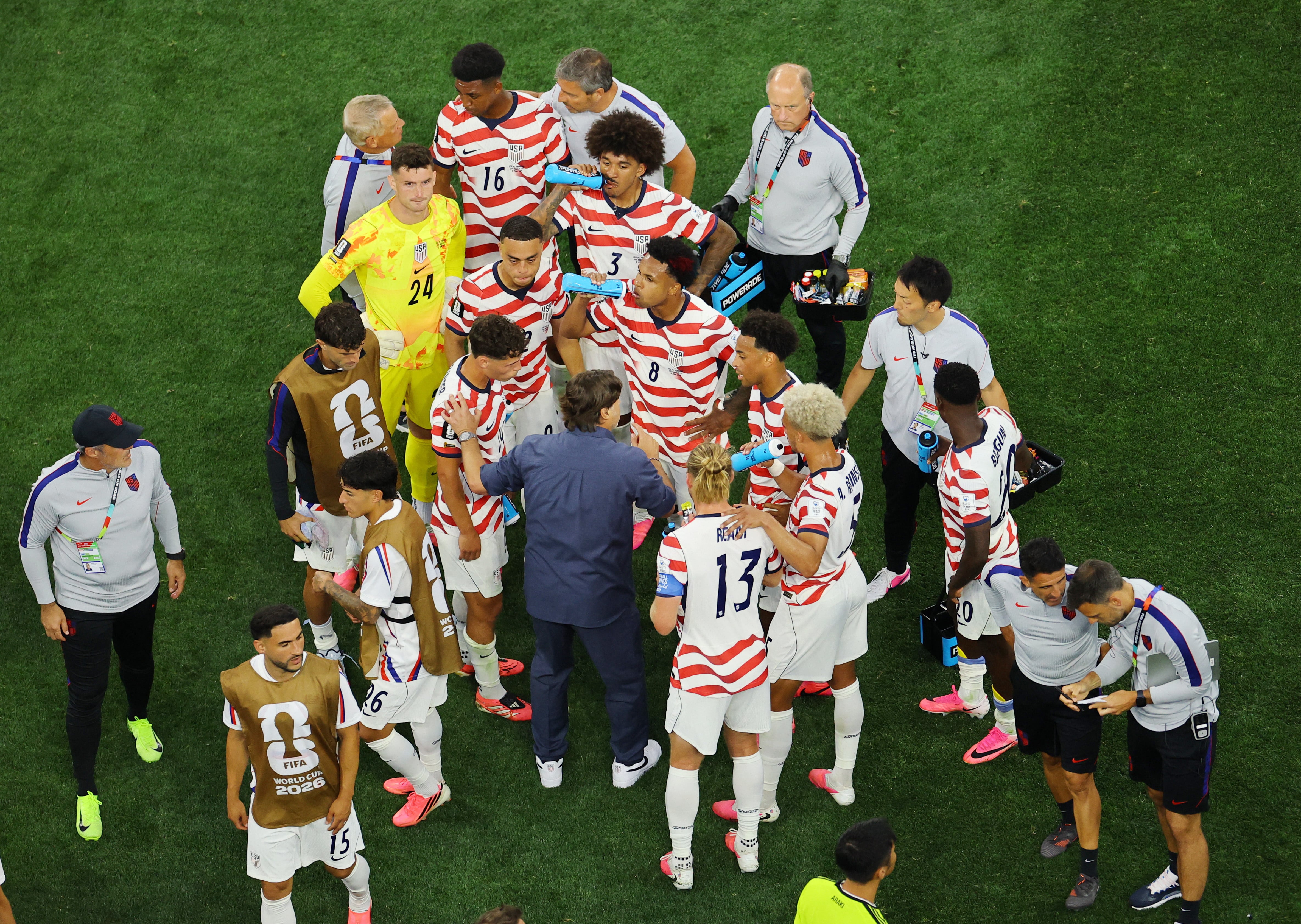
The World Cup has introduced a new, controversial element to the game: mandatory hydration breaks. While FIFA cites player welfare for the change, critics argue it's a thinly veiled attempt to create more advertising slots. This has led to a mixed reception from players, coaches, and fans alike.
During the U.S.-Paraguay match, the first break at the 24th minute was met with commentary like, "And here ends the first quarter." This phrasing, initially a joke by former player Alexi Lalas, highlights the awkward integration of these pauses into the game's rhythm. Former player Carli Lloyd bluntly stated, "I hate it," echoing a sentiment spreading among fans.
And here ends the first quarter.
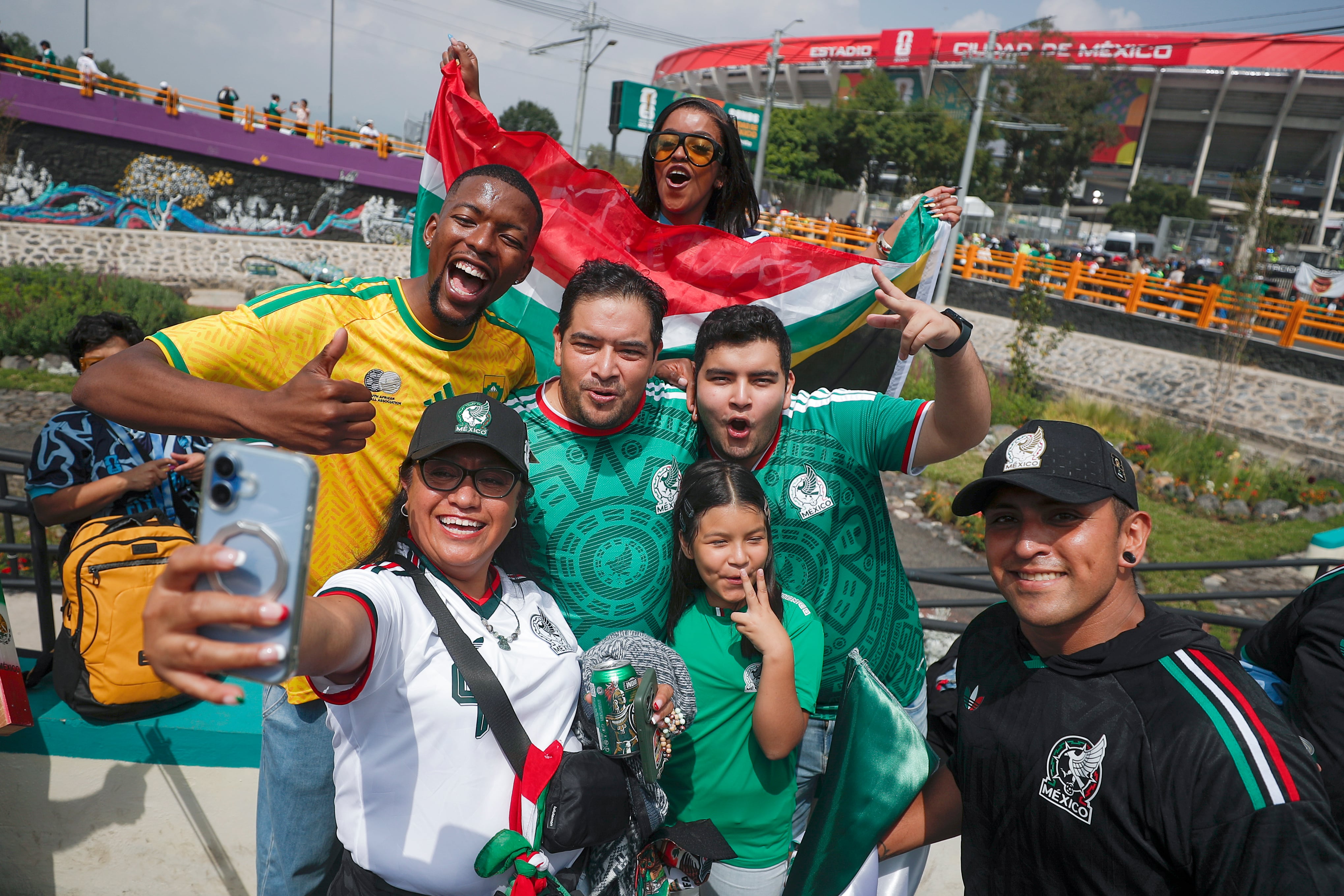
U.S. coach Pochettino expressed his dislike, stating he only favors such breaks in extreme conditions. Fans are further irritated by new advertising spaces during these pauses, which disrupt broadcasts. In some instances, like the Mexico-South Africa match, the game resumed before viewers could even return from commercials.
I hate it.
FIFA's decision to eliminate temperature and humidity thresholds, previously dictating such breaks, and make them mandatory in all matches has drawn criticism. The organization announced the change during a meeting with international broadcasters, emphasizing player health publicly while discreetly providing a guide for using the breaks as commercial windows. Broadcasters like Fox, DAZN, and TVE in Spain chose to cut to commercials, but synchronization issues in the opening match caused U.S. viewers to miss game action.
Telemundo, holding Spanish-language rights, attempted to capitalize on the discontent with ads promoting "football without interruptions." While Fox's synchronization has improved, the rigid commercial commitments have led to peculiar scenes of players waiting on the field for broadcasts to finish. This occurs even in mild conditions, such as in the climate-controlled Los Angeles stadium, raising questions about the true necessity of these breaks.
Nosotros NO cortamos a publicidad durante la pausa de hidratación. Vengan a Telemundo para fútbol sin interrupciones.
DistantNews Editorial
Originally published by El País in Spanish. Translated, summarized, and contextualized by our editorial team with added local perspective. Read our editorial standards.
More Stories


From Our Blog

What Gets Lost (and Found) When News Is Translated

The Critical Role of Diaspora Media in Global News

What Travellers Should Know About Countries with Restricted Press

A Digital Nomad's Guide to Following Local News

How the Same Story Looks Different in Different Countries
