


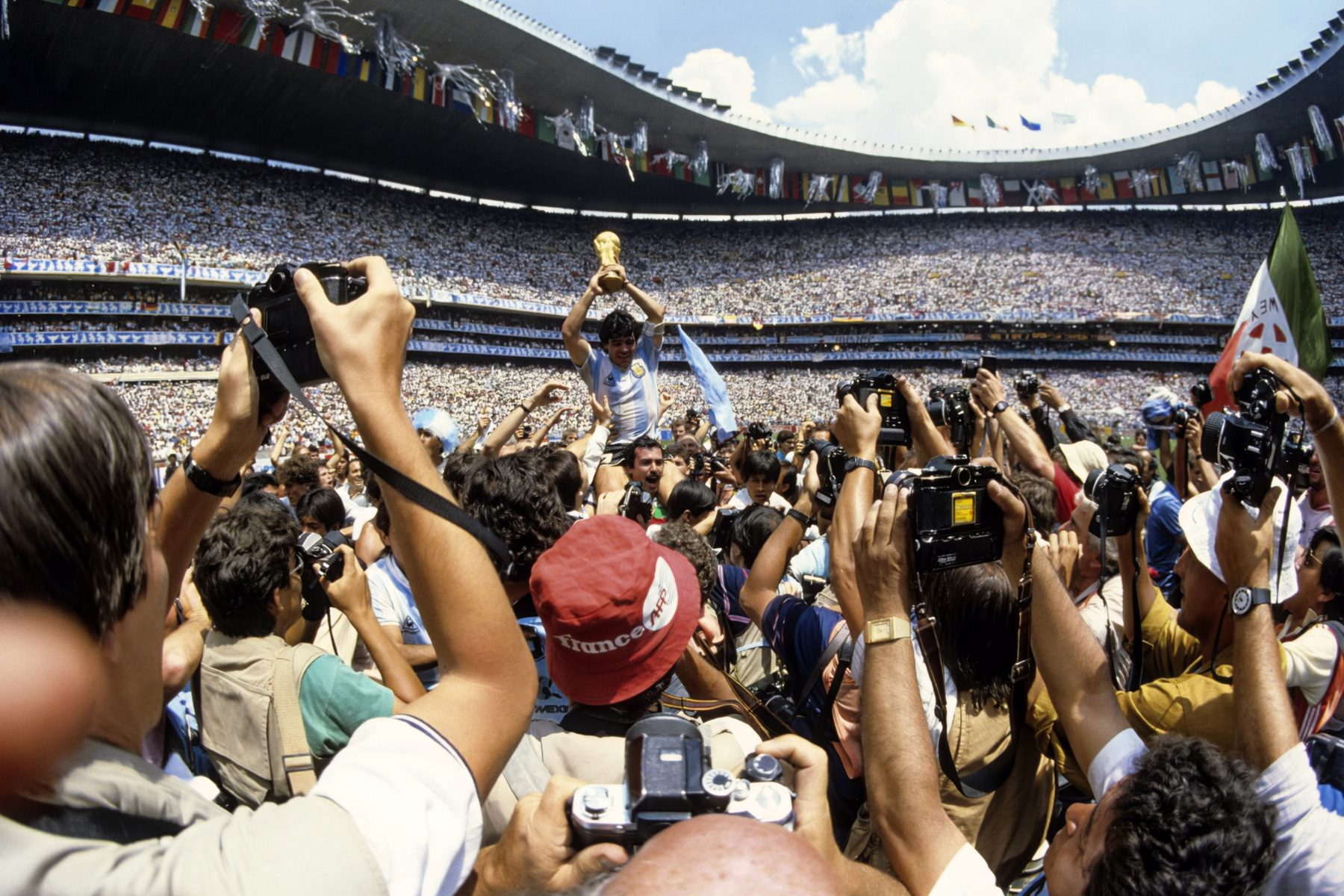
World Cup Opener Features 'Steel Concrete' Star, Angering FIFA
Translated from German, summarized and contextualized by DistantNews.
At a glance
News
Sources not specified
New plan
- Mexico City's Azteca Stadium is set to host its third World Cup opening match, a historic first for any venue.
- The stadium has undergone a $150 million renovation, updating its facilities for the 2026 tournament.
- A unique situation arises where approximately 14,000 fans, who purchased original share certificates for stadium access, will attend the opening match for free, challenging FIFA's commercial approach.
Mexico City's iconic Azteca Stadium is poised to make history by hosting the opening match of the FIFA World Cup for an unprecedented third time. This legendary venue, which has witnessed footballing royalty like Pelé and Diego Maradona lift the World Cup trophy, will kick off the 2026 tournament, solidifying its status as a unique stage in football history.
To prepare for this historic occasion, the Azteca Stadium has undergone a significant $150 million renovation. The upgrades include a modernized facade, roof, hybrid turf, VIP boxes, and seating areas. Five video walls and a dedicated app promising real-time information, from TV replays to restroom wait times, are intended to enhance the fan experience during the three group stage matches, a round of 16 game, and a quarter-final it will host.
Adding a unique twist to the opening match between co-host Mexico and South Africa, approximately 14,000 fans will gain entry without purchasing expensive tickets. These individuals are holders of original share certificates purchased decades ago when the stadium was built. This arrangement, recently upheld by a Mexican court, represents a small victory against FIFA's often criticized commercial practices and highlights a relic of the stadium's construction history.
The stadium's construction in the 1960s was fraught with financial challenges, partly due to the difficult volcanic lava terrain it was built upon. To help finance the project, private investors were offered share certificates, granting them access rights for 99 years. This historical context explains how these certificate holders can now attend the World Cup opening match, a testament to a unique legacy intertwined with the stadium's enduring presence in football.
DistantNews Editorial
Originally published by Die Presse in German. Translated, summarized, and contextualized by our editorial team with added local perspective. Read our editorial standards.
More Stories


From Our Blog

What Gets Lost (and Found) When News Is Translated

The Critical Role of Diaspora Media in Global News

What Travellers Should Know About Countries with Restricted Press

A Digital Nomad's Guide to Following Local News

How the Same Story Looks Different in Different Countries
