


World Cup review: American makeover leaves soccer facing a battle for its soul
Summarized and contextualized by DistantNews.
At a glance
Analysis
Sources not specified
Outcome reported
- The 2026 World Cup in North America saw FIFA adopt several elements of the U.S. sporting model, including mandatory "hydration" breaks and championship rings.
- Innovations like mid-half breaks, introduced for player welfare, created tactical timeouts for coaches and commercial opportunities for broadcasters.
- The tournament questioned how much of soccer's traditional identity would survive FIFA's adaptation to American sporting culture, with potential resistance to changes like hydration breaks in Europe.
The 2026 World Cup, hosted across North America, may be remembered less for its champion and more for the profound questions it raised about soccer's identity. FIFA's embrace of the U.S. sporting model introduced significant changes, prompting a debate on how much of the game's traditional character will endure.
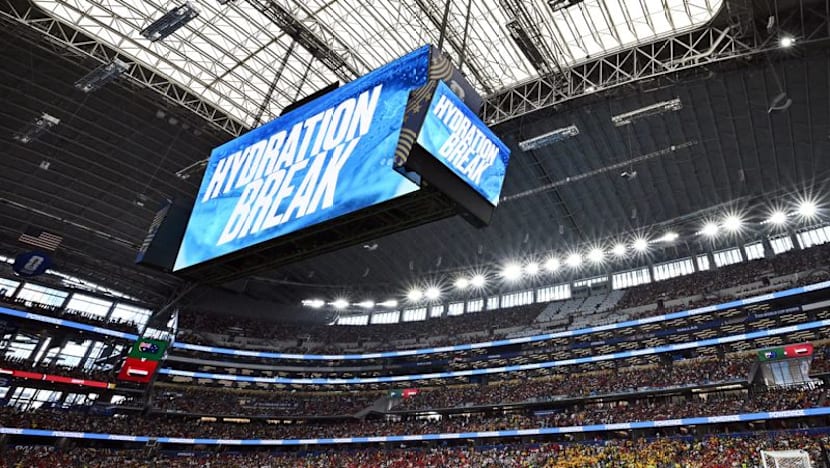
Innovations such as mandatory "hydration" breaks, implemented regardless of strict necessity due to the heat and humidity of a North American summer, effectively divided matches into four quarters. While presented as a player welfare measure, these breaks also served as tactical timeouts for coaches and created valuable commercial windows for broadcasters. This shift moved away from soccer's historically continuous rhythm, leading to matches that felt increasingly segmented.
Beyond the mid-half pauses, FIFA also introduced championship rings for the winning team, a tradition directly borrowed from North American sports. The final match itself featured an elaborate halftime entertainment production, drawing comparisons to the Super Bowl and resulting in a significantly extended interval. These changes contributed to a perception that FIFA was not just bringing the World Cup to the U.S. but adapting the tournament to American sporting culture.
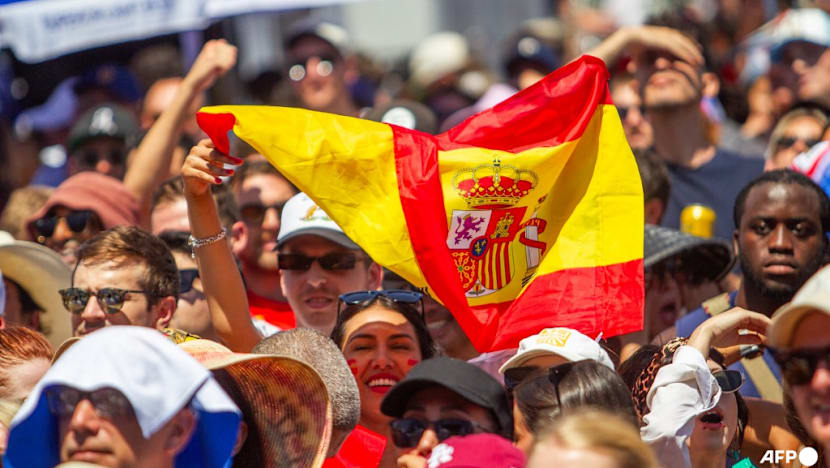
However, the tournament also showcased the unique aspects of international soccer that resonate with fans worldwide, such as vast traveling support and passionate singing. The question remains whether these traditional elements can coexist with FIFA's increasing adaptation to market-driven entertainment. While some innovations might be seen as temporary novelties, others, like the hydration breaks, could prove difficult to remove, especially given their potential commercial appeal. Resistance to such changes is expected, particularly in Europe, where the continuous flow of the game is a cherished characteristic.
DistantNews Editorial
Originally published by CNA. Summarized and contextualized by our editorial team with added local perspective. Read our editorial standards.
More Stories

From Our Blog

What Gets Lost (and Found) When News Is Translated

The Critical Role of Diaspora Media in Global News

What Travellers Should Know About Countries with Restricted Press

A Digital Nomad's Guide to Following Local News

How the Same Story Looks Different in Different Countries
