


World-Renowned Japanese Artist Yayoi Kusama Dies at 97
Translated from Danish and summarized by DistantNews. Read the original for the full story.
At a glance
News
Named sources
Outcome reported
- World-renowned Japanese artist Yayoi Kusama has died at the age of 97.
- She was known for her distinctive use of polka dots, mirror installations, and vibrant patterns.
- Kusama battled psychological illness throughout her life and lived in a private clinic for therapy since the 1970s.
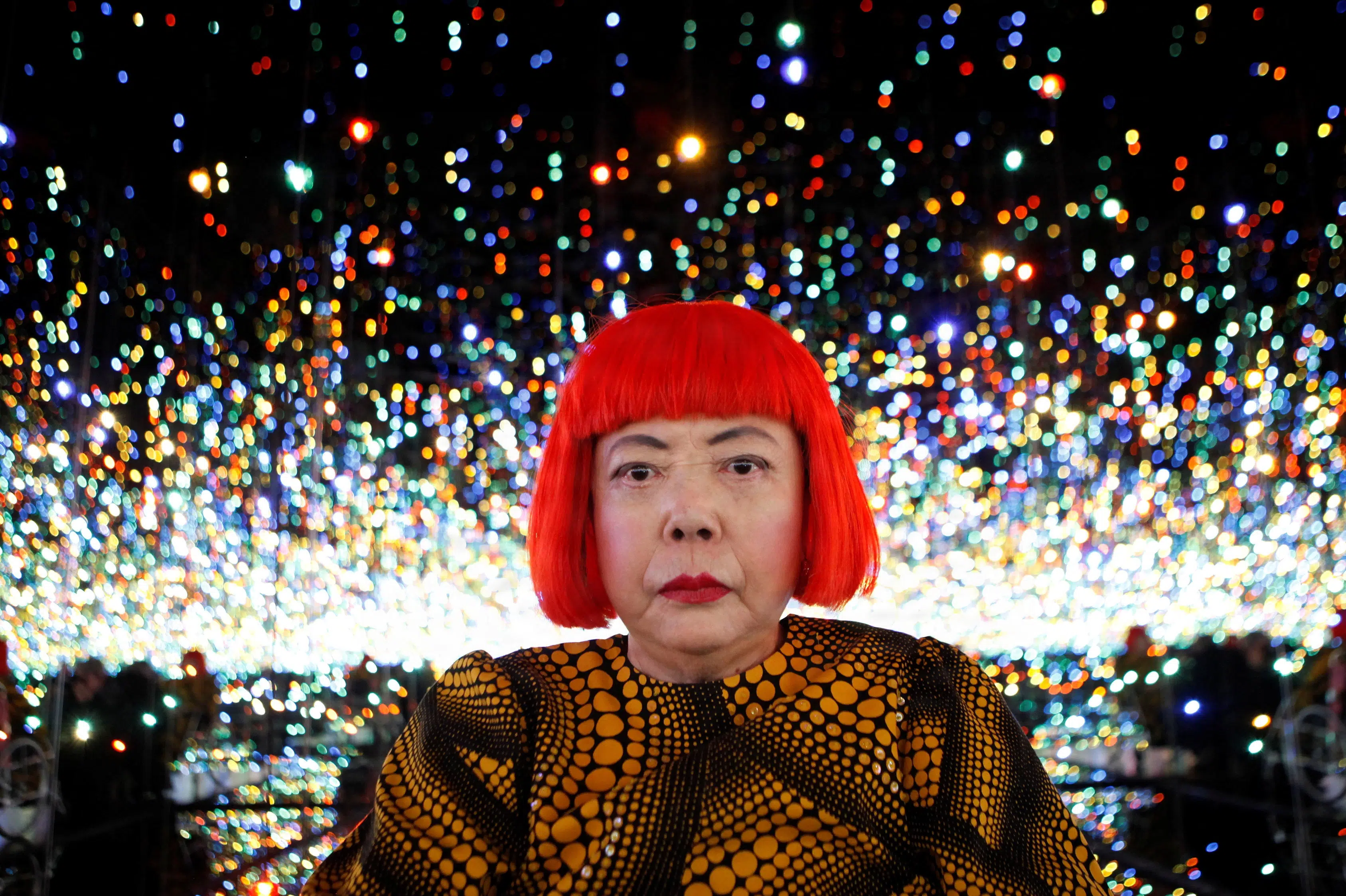
Yayoi Kusama, the celebrated Japanese artist whose vibrant polka dots and immersive mirror installations captivated the global art world, has died at the age of 97. Her passing was announced by her company in a statement on Thursday.
The statement highlighted Kusama's unwavering dedication to her craft, noting, "She continued to paint until her last days, never putting down her brush and continuing her exploration of eternal love and the eternal soul." According to her company and reported by AFP, she died on August 14 at a hospital in Tokyo.
Kusama, often hailed as a pioneering avant-garde artist and dubbed the "Queen of Polka Dots," was born in 1929 into a prosperous family. Her artistic journey began at a young age, as she started creating her signature patterns and polka dots at just 10 years old. Her unique style, characterized by repetitive, colorful motifs and disorienting mirror rooms, challenged conventional artistic boundaries.
Her work was deeply intertwined with her lifelong struggle against psychological illness. Since the 1970s, Kusama resided in a private clinic in Japan, where she underwent therapy. Despite these challenges, she maintained a prolific artistic output, leaving behind a legacy that influenced countless artists and resonated with audiences worldwide. Art institutions, including the Louisiana Museum of Modern Art north of Copenhagen, feature her installations, with the museum housing a permanent mirror installation by the artist.
She continued to paint until her last days, never putting down her brush and continuing her exploration of eternal love and the eternal soul.
About this summary
Originally published by Berlingske in Danish. Translated, summarized, and contextualized automatically by DistantNews, with a note on how the source frames the story. Not individually reviewed before publishing. How this works.
More Stories



From Our Blog

What Gets Lost (and Found) When News Is Translated

The Critical Role of Diaspora Media in Global News

What Travellers Should Know About Countries with Restricted Press

A Digital Nomad's Guide to Following Local News

How the Same Story Looks Different in Different Countries
