

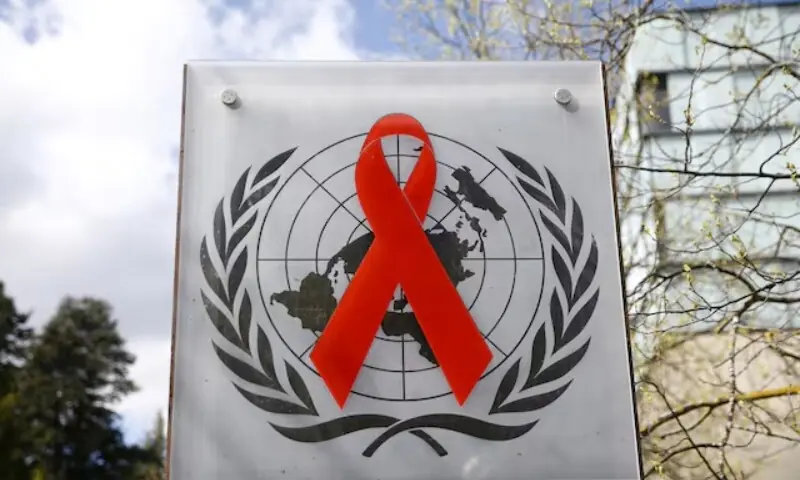
World risks HIV resurgence as funding falls 18pc, UNAIDS says
Summarized and contextualized by DistantNews.
At a glance
News
Sources not specified
Context piece
- Global funding for AIDS prevention and treatment fell by 18% to $7.3 billion in 2025, the lowest level in nearly two decades, according to UNAIDS.
- This funding decrease risks reversing progress that has lowered new HIV infections and AIDS-related deaths to their lowest levels in over 30 years.
- While domestic spending partially offset foreign cuts, some sub-Saharan African nations saw significant declines in prevention programs, impacting access to services like PrEP.
The world faces a potential resurgence of the HIV epidemic as global funding has plummeted by nearly a fifth, UNAIDS warned Monday. The UN body fighting AIDS highlighted that the $7.3 billion allocated in 2025 marks the lowest funding level in almost two decades.
The international community has entered a period of profound political and financial upheaval that threatens decades of hard-won gains against HIV.
This sharp decline threatens to undo decades of hard-won progress, which had driven down new HIV infections and AIDS-related deaths to their lowest point in over 30 years. UNAIDS stated that "the current fragility of the HIV response puts these gains at risk unless global solidarity is restored and inequalities are addressed."
Without renewed commitment and action, the world risks a resurgence of the HIV epidemic.
The report, released at the start of an International AIDS conference in Brazil, noted that the global goal to end AIDS by 2030 is off track. Reduced funding, coupled with other crises like Ebola, is hampering efforts. While domestic spending increased in some areas, it could not fully compensate for the drop in international aid. Some of the most significant cuts to prevention programs occurred in sub-Saharan Africa, a region heavily impacted by new infections. National data from Cameroon, Nigeria, and Zambia revealed a more than 50% decrease in people receiving pre-exposure prophylaxis (PrEP).
The current fragility of the HIV response puts these gains at risk unless global solidarity is restored and inequalities are addressed.
DistantNews Editorial
Originally published by Dawn. Summarized and contextualized by our editorial team with added local perspective. Read our editorial standards.
More Stories


From Our Blog

What Gets Lost (and Found) When News Is Translated

The Critical Role of Diaspora Media in Global News

What Travellers Should Know About Countries with Restricted Press

A Digital Nomad's Guide to Following Local News

How the Same Story Looks Different in Different Countries
