

World's First Seated Proton Therapy Machine Deployed at Stanford, Coming to Vietnam
Translated from Vietnamese, summarized and contextualized by DistantNews.
At a glance
News
Sources not specified
New plan
- The world's first seated proton therapy machine has been deployed at Stanford Medicine Cancer Center in the US.
- The Mevion S250-FIT system, integrating AI for precise tumor targeting, will be installed at Tâm Anh Hospital in Ho Chi Minh City, Vietnam, by early 2027.
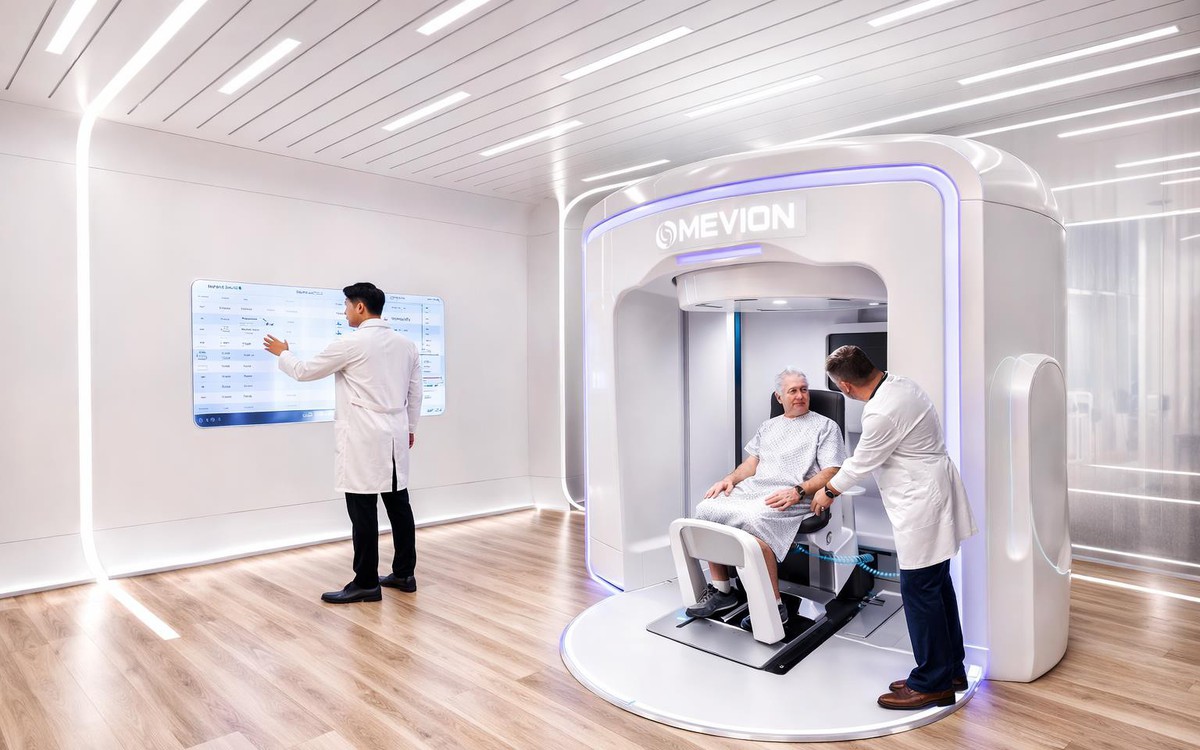
- This new technology allows patients to receive radiation therapy in a seated position, improving accuracy and reducing damage to healthy tissues, especially for difficult-to-reach tumors.
Stanford Medicine Cancer Center has deployed the world's first seated proton therapy machine, a groundbreaking advancement in cancer treatment. The Mevion S250-FIT system, developed by US-based Mevion, integrates artificial intelligence (AI) to precisely target tumors while minimizing damage to surrounding healthy tissues.
The Mevion S250-FIT system will be installed at the hospital in early 2027, with trial operations and official launch expected from mid-2027.
This innovative technology allows patients to undergo radiation therapy in a seated position for the first time, a significant departure from traditional supine treatments. This seated posture optimizes the delivery of proton beams to tumors, particularly those in challenging locations such as the head, neck, brain, digestive tract, liver, and lungs. Doctors highlight that AI assists in personalizing treatment by accurately segmenting tumors and surrounding organs, generating thousands of potential radiation plans, and adapting daily to changes in tumor shape or patient anatomy.
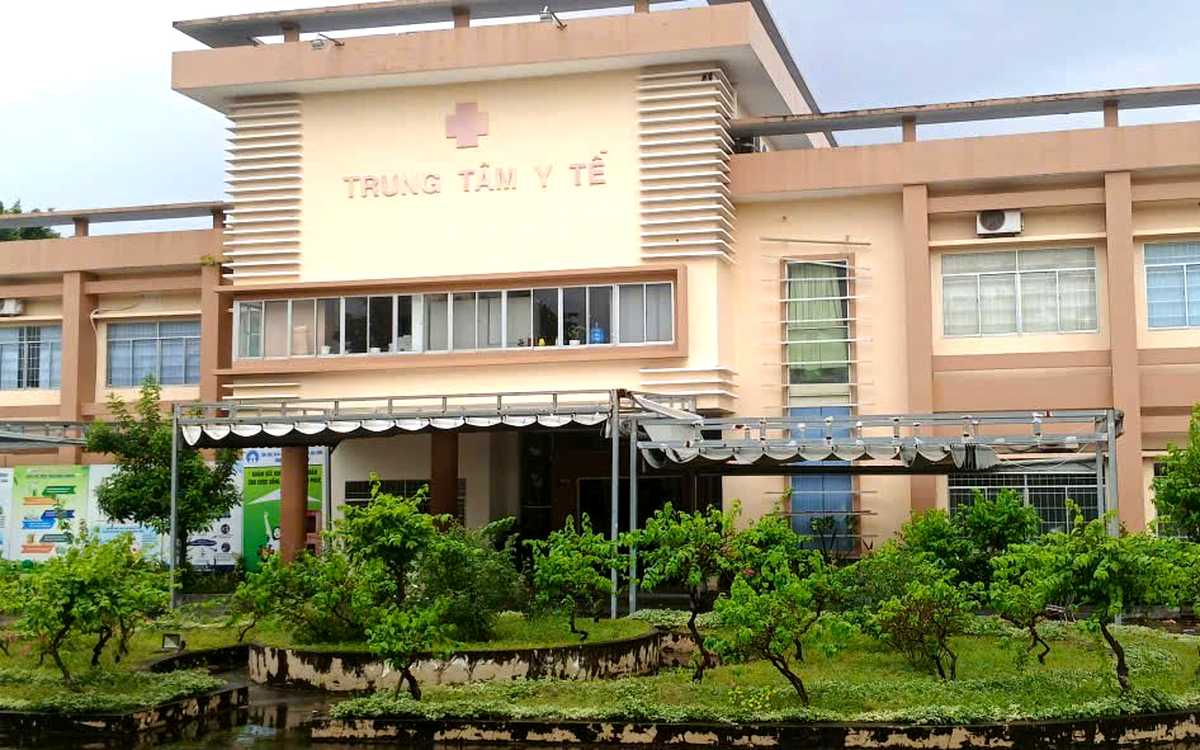
Mevion has announced a contract to bring this advanced system, valued at over 2,000 billion Vietnamese dong (approximately $80 million USD), to Tâm Anh Hospital in Ho Chi Minh City. The system is slated for installation by early 2027, with trial operations and official launch expected by mid-2027, coinciding with the inauguration of the Tâm Anh General and Cancer Hospital in Phu My Hung.
The 'seated' system helps patients be positioned optimally to access the proton beam with tumor areas on the body, while minimizing dose to healthy organs, especially for tumors in difficult, complex, dangerous locations like the head, face, neck, brain, digestive tract, liver, and lungs.
Data presented at the 27th Annual Meeting of the European Society for Radiotherapy and Oncology (ESTRO) in 2026, from the initial deployment at Stanford Medicine, showed the Mevion S250-FIT system achieving millimeter-level accuracy in targeting tumors. The system's quality control and proton beam energy verification rates ranged from 97% to 99.8%, indicating a high potential for successful treatment outcomes.
AI in the machine automatically segments organs at risk and tumors, reducing the time to define the lesion boundary. Then, the algorithm generates thousands of proton therapy plans with different intensities, automatically evaluating them to balance tumor destruction and healthy tissue preservation.
DistantNews Editorial
Originally published by Tuổi Trẻ in Vietnamese. Translated, summarized, and contextualized by our editorial team with added local perspective. Read our editorial standards.
More Stories


From Our Blog

What Gets Lost (and Found) When News Is Translated

The Critical Role of Diaspora Media in Global News

What Travellers Should Know About Countries with Restricted Press

A Digital Nomad's Guide to Following Local News

How the Same Story Looks Different in Different Countries
