

World War II Nazi shipwrecks emerge in Serbia as Danube water levels plummet
Translated from German, summarized and contextualized by DistantNews.
At a glance
News
Sources not specified
Ongoing story
- Extremely low water levels in the Danube River in Serbia have exposed World War II-era Nazi German naval shipwrecks.
- These wrecks, remnants of a fleet scuttled by the retreating Nazi navy, pose a significant hazard to navigation.
- The EU is funding a program to remove the submerged vessels, with 7 out of 21 targeted wrecks already recovered.
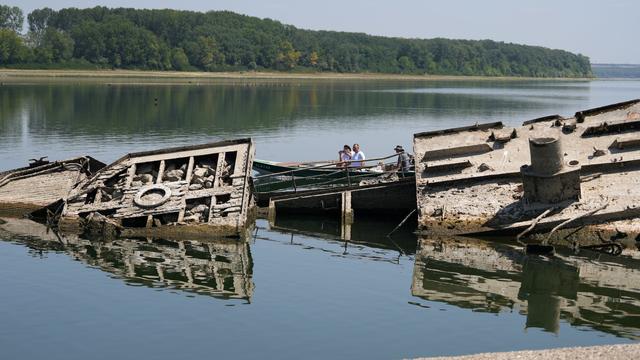
The Danube River's record low water levels in Serbia have revealed a chilling historical artifact: numerous shipwrecks from the Nazi German navy dating back to World War II. These submerged vessels, located near the port of Prahovo, have become visible due to the extreme drought, drawing curious onlookers.
These wrecks are remnants of a larger fleet that the retreating Nazi navy intentionally sank at the end of the war. The German fleet was attempting to navigate the Danube and escape pursuing Soviet forces. By sinking these approximately 200 vessels, they aimed to make the river impassable for their pursuers.
The concentration of these wrecks in this particular stretch of the Danube, just before the Iron Gates gorge, is a direct consequence of these wartime actions. The sunken ships now present a significant and dangerous obstacle to current Danube shipping traffic, especially during periods of low water.
Recognizing the hazard, the European Union is supporting a program to gradually remove these dangerous Nazi-era ships. As of April this year, seven of the 21 identified wrecks have been successfully recovered, marking progress in clearing the waterway.
DistantNews Editorial
Originally published by Die Zeit in German. Translated, summarized, and contextualized by our editorial team with added local perspective. Read our editorial standards.
More Stories


From Our Blog

What Gets Lost (and Found) When News Is Translated

How the Same Story Looks Different in Different Countries

The Critical Role of Diaspora Media in Global News

What Travellers Should Know About Countries with Restricted Press

A Digital Nomad's Guide to Following Local News
