


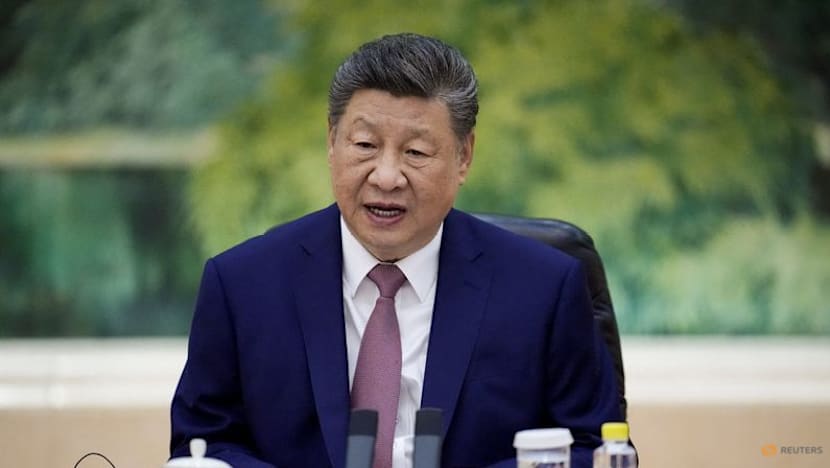
Xi Jinping Breaks Silence on Middle East Conflict Amid Energy Risks and Diplomatic Ambitions
Translated from English, summarized and contextualized by DistantNews.
TLDR
- Chinese President Xi Jinping has broken his public silence on the Middle East conflict, speaking out twice in a week.
- Analysts suggest this shift is driven by mounting energy risks and China's desire to project greater diplomatic influence.
- Xi proposed a four-point peace plan and emphasized the need for the Strait of Hormuz to remain open, though experts caution that rhetoric must be backed by action.
China's President Xi Jinping has significantly altered his public stance on the escalating Middle East conflict, moving from weeks of silence to direct engagement within a single week. As reported by CNA, this pivot is seen by analysts as a strategic response to the growing energy security risks posed by the prolonged conflict and Beijing's ambition to assert itself as a major global diplomatic player.
I think China was content to let things unfold but as the situation changed, China now feels it needs to play a more proactive and prominent role.
Xi's recent remarks, made on April 14 and again on April 20, mark his first direct comments on the war, indicating a recalculation of China's initial expectation that the conflict would resolve quickly. Experts like Dylan Loh from Nanyang Technological University note that China now feels compelled to adopt a more proactive role. This increased assertiveness serves a dual purpose: signaling China's commitment to de-escalation and bolstering its diplomatic leverage, particularly as a summit with US President Donald Trump approaches.
Generically calling for the Strait to open and expressing support for good neighbourliness in the Gulf is meaningless unless Beijing takes action to curtail Iran's aggression and threats to the security of its neighbours.
However, the commentary also highlights a potential pitfall. Drew Thompson of the S Rajaratnam School of International Studies cautions that China's strong rhetoric could outstrip its actual capacity or willingness to influence events on the ground. Generic calls for peace and open waterways, he argues, are insufficient unless Beijing takes concrete steps to curb aggression in the region. China's own vulnerability, with a significant portion of its crude oil and LNG imports transiting the Strait of Hormuz, underscores the urgency of the situation for Beijing, making its diplomatic engagement a critical, albeit potentially challenging, endeavor.
The Strait of Hormuz should remain open to normal passage, as this serves the common interests of regional countries and the international community.
DistantNews Editorial
Originally published by CNA in English. Translated, summarized, and contextualized by our editorial team with added local perspective. Read our editorial standards.
More Stories



From Our Blog

What Gets Lost (and Found) When News Is Translated

The Critical Role of Diaspora Media in Global News

What Travellers Should Know About Countries with Restricted Press

A Digital Nomad's Guide to Following Local News

How the Same Story Looks Different in Different Countries
