


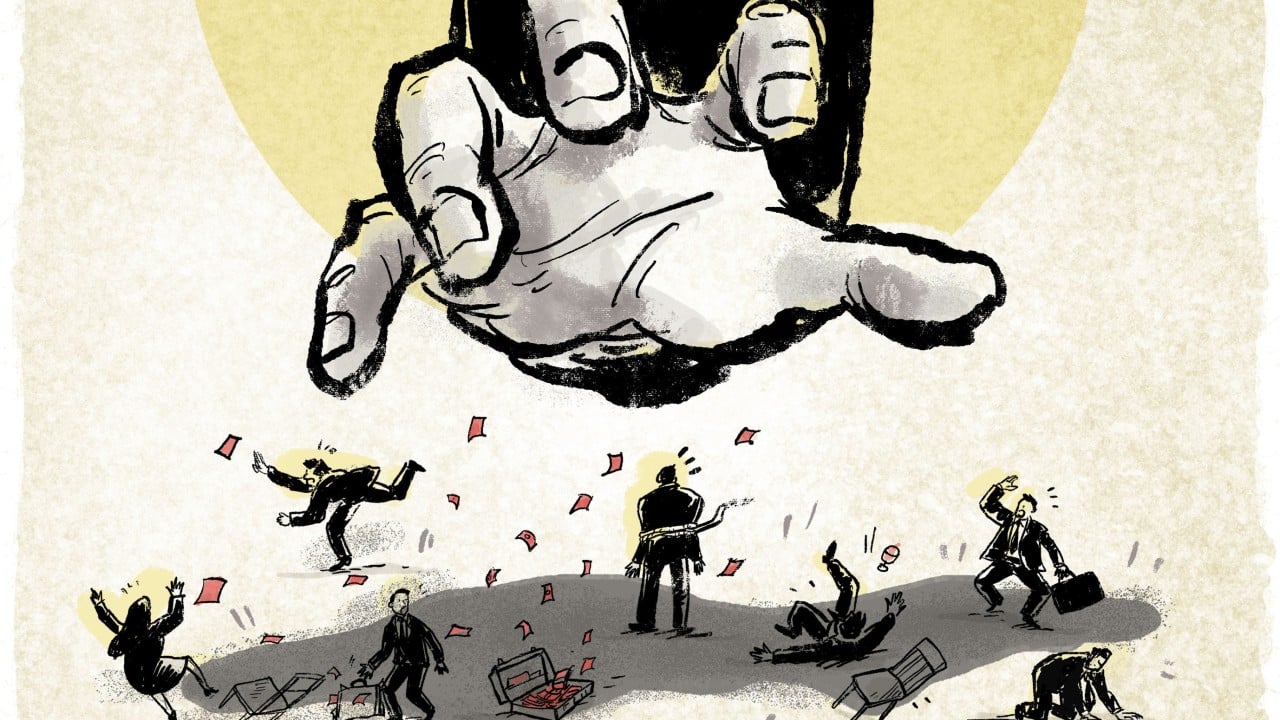
Xi's anti-graft campaign expands beyond economic crime to political loyalty
Translated from English and summarized by DistantNews. Read the original for the full story.
At a glance
News
Named sources
Context piece
- President Xi Jinping's anti-corruption campaign has expanded significantly beyond economic crimes.
- An analysis of 423 senior officials' cases shows a shift towards punishing political loyalty, discipline, and private conduct.
- The campaign aims to reshape the bureaucracy by redefining corruption to include these broader aspects.
President Xi Jinping's signature anti-graft campaign, initially perceived as targeting economic crimes, has evolved into a sweeping initiative that scrutinizes officials' political loyalty, adherence to party lines, and even their private lives. A major data project by the South China Morning Post, analyzing hundreds of disciplinary investigations from 2013 to 2025, reveals this significant expansion.
The campaign's focus has broadened from traditional bribery to encompass a wider definition of corruption. While economic offenses remain a legal basis for prosecution, political loyalty, disciplinary conduct, and effective policy implementation have become integral to how officials are assessed and punished.
The analysis specifically examined the cases of 423 "centrally managed" cadres, senior officials reporting directly to the Communist Party's Central Committee. These officials are overseen by the party's Central Organisation Department, which manages appointments, assessments, and personnel decisions. The findings suggest a deliberate effort to reshape the bureaucracy and ensure alignment with Xi's vision.
This shift indicates a move towards a more comprehensive form of control, where adherence to the party's ideology and directives is as crucial as financial integrity. The campaign's reach now extends into the personal conduct of officials, reflecting a desire for absolute loyalty and conformity within the ruling party.
About this summary
Originally published by South China Morning Post in English. Translated, summarized, and contextualized automatically by DistantNews, with a note on how the source frames the story. Not individually reviewed before publishing. How this works.
More Stories
From Our Blog

Countries Without a Free Press: What You Need to Know

What Press Freedom Means for the News You Read

What Gets Lost (and Found) When News Is Translated

The Critical Role of Diaspora Media in Global News

What Travellers Should Know About Countries with Restricted Press
