


Xi-Trump Summit: Can ‘Aspirational’ New Vision for Stability Survive Strategic Rivalry?
Translated from English and summarized by DistantNews. Read the original for the full story.
At a glance
News
Named sources
Context piece
- President Xi Jinping proposed a "new vision" for constructive China-US relations focused on "strategic stability" during a summit with Donald Trump.
- Xi emphasized that competition between the two powers must remain controlled, despite underlying structural tensions.
- A Chinese political observer cautioned that this vision is "aspirational" and the "real test" lies in managing inherent rivalry through practical cooperation.
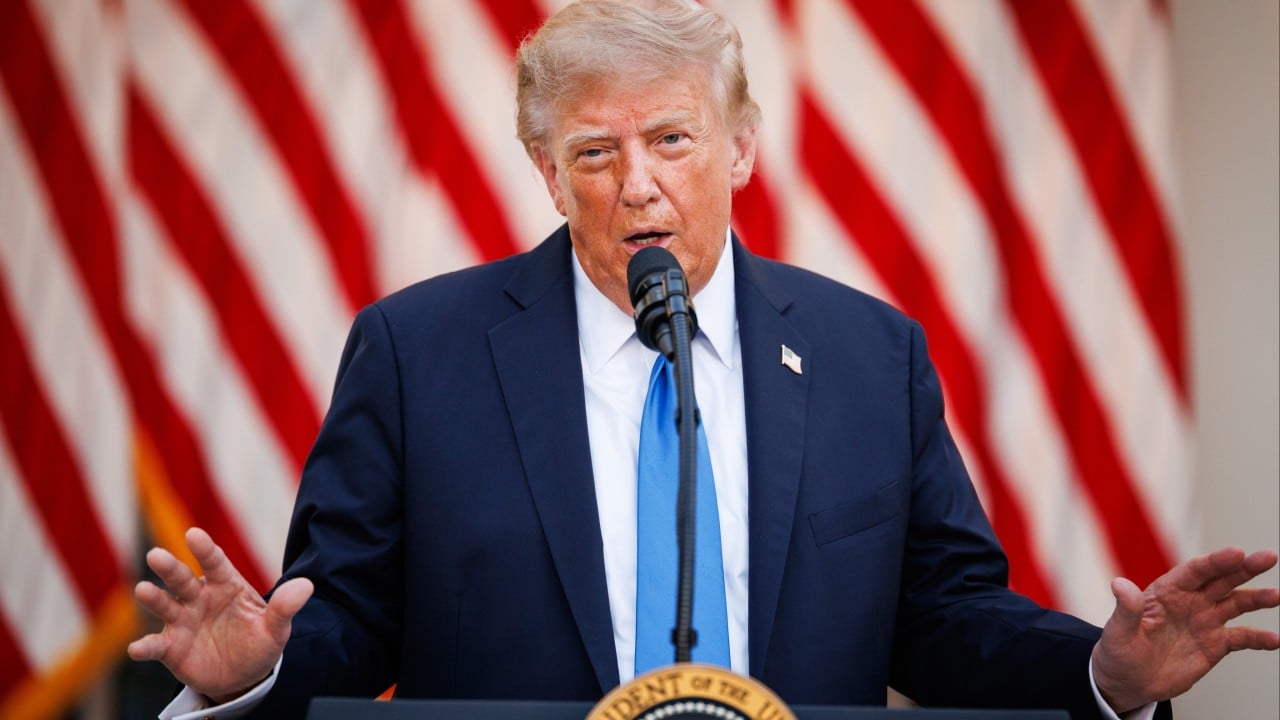
During a high-stakes summit in Beijing, President Xi Jinping unveiled what he termed a "new vision" for China-US relations, aiming to foster "strategic stability" between the two global powers. According to the official Chinese readout, Xi and US President Donald Trump agreed on this framework, with Xi stressing the paramount importance of controlled competition amidst deepening rivalry.
agreed on a new vision of building a constructive China-US relationship of strategic stability
However, this forward-looking proposal has been met with a dose of realism from Chinese analysts. Zhao Minghao, deputy director of the Centre for American Studies at Shanghai's Fudan University, described the new vision as "aspirational," suggesting it represents a desired future rather than the current state of affairs. Zhao emphasized that the true challenge lies in the ability of Beijing and Washington to find avenues for constructive cooperation within a relationship inherently defined by competition.
This new concept is aspirational, but it is not where the relationship actually is right now.
The underlying structural tensions in the China-US relationship remain a significant factor. Zhao pointed out that major disagreements, such as US military deployments in the Asia-Pacific, are likely to persist. Despite these persistent challenges, he suggested that practical cooperation could still be pursued in less sensitive areas, including trade and the safety of artificial intelligence.
The real test is how the two powers find ways to cooperate constructively within an inherently competitive relationship.
From a Chinese perspective, this summit and the proposed "new vision" represent an effort to manage the complex dynamics of the bilateral relationship. While acknowledging the competitive aspects, Beijing seeks to establish guardrails that prevent competition from escalating into outright conflict. The focus on "strategic stability" reflects a desire to maintain a predictable relationship, allowing both nations to pursue their respective interests without jeopardizing global peace. The success of this vision, as Zhao notes, will ultimately depend on the practical implementation and the willingness of both sides to navigate their differences constructively.
Major disagreements – such as US military deployment in the Asia-Pacific – will persist. But Beijing and Washington could pursue practical cooperation in areas like non-sensitive trade and AI safety.
About this summary
Originally published by South China Morning Post in English. Translated, summarized, and contextualized automatically by DistantNews, with a note on how the source frames the story. Not individually reviewed before publishing. How this works.
More Stories

From Our Blog

Countries Without a Free Press: The 2026 List and What It Means for Readers

What Press Freedom Means for the News You Read

News in Translation: What Gets Lost, and How We Keep the Framing

Diaspora Media: How Communities Abroad Follow Home

Traveling Where the Press Is Not Free: How to Read the News There
