

Xico, Veracruz fills with faith and color; dancers and florists preserve tradition honoring Santa María Magdalena
Translated from Spanish, summarized and contextualized by DistantNews.
At a glance
In-depth
Sources not specified
Context piece
- The town of Xico, Veracruz, is celebrating its patron saint, Santa María Magdalena, with vibrant traditions.
- Hundreds of dancers in colorful costumes and masks participate in ceremonies, blending indigenous, Spanish, and Catholic elements.
- Key events include the Reception of the Floreros and the creation of a large floral arch, showcasing a unique mestizo cultural heritage.
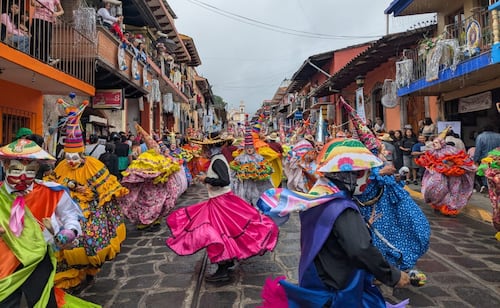
The streets of Xico, a Pueblo Mágico in Veracruz, are alive with color and faith as hundreds of dancers celebrate Santa María Magdalena. This centuries-old tradition merges Catholic devotion with indigenous roots and Spanish heritage, creating a unique cultural spectacle.
Men, women, and children don vibrant costumes and striking masks, dancing and shouting to the rhythm of traditional music and fireworks. These celebrations mark the beginning of the preparation for the monumental floral arch dedicated to the town's patron saint, a central element of the festivities.
Central to the celebration is the Reception of the Floreros. Residents, dancers, and musicians welcome the "floreros" who return from the forests carrying specific flowers like cucharita, chimal, and tencho, along with vines, to craft the main offering for the patron saint's feast day. The air buzzes with music, stomping feet, and fervent devotion, uniting generations.
Various dance groups contribute to the rich tapestry of the celebration. Los Tocotines' feathered headdresses and rattles evoke the historical encounter between native peoples and Christianity. The solemn figures of the Danza Cruzada and the Dos Reinas advance as a spiritual offering. Los Santiagos perform choreographic battles representing the struggle between good and evil, while Los Negros de Bayera act as custodians of the celebration, maintaining order. The Banda Cruzada moves with precision to violin and vihuela music, symbolizing discipline and fulfilled promises. Finally, the Payasos, with their wooden masks and colorful attire, bring festivity and joy, reminding attendees that devotion can be shared with laughter.
DistantNews Editorial
Originally published by El Universal in Spanish. Translated, summarized, and contextualized by our editorial team with added local perspective. Read our editorial standards.
More Stories


From Our Blog

What Press Freedom Means for the News You Read

What Gets Lost (and Found) When News Is Translated

The Critical Role of Diaspora Media in Global News

What Travellers Should Know About Countries with Restricted Press

A Digital Nomad's Guide to Following Local News
